
BMW iX5 Could Have A Smaller Carbon Footprint Than The X5 After 1-2 Years
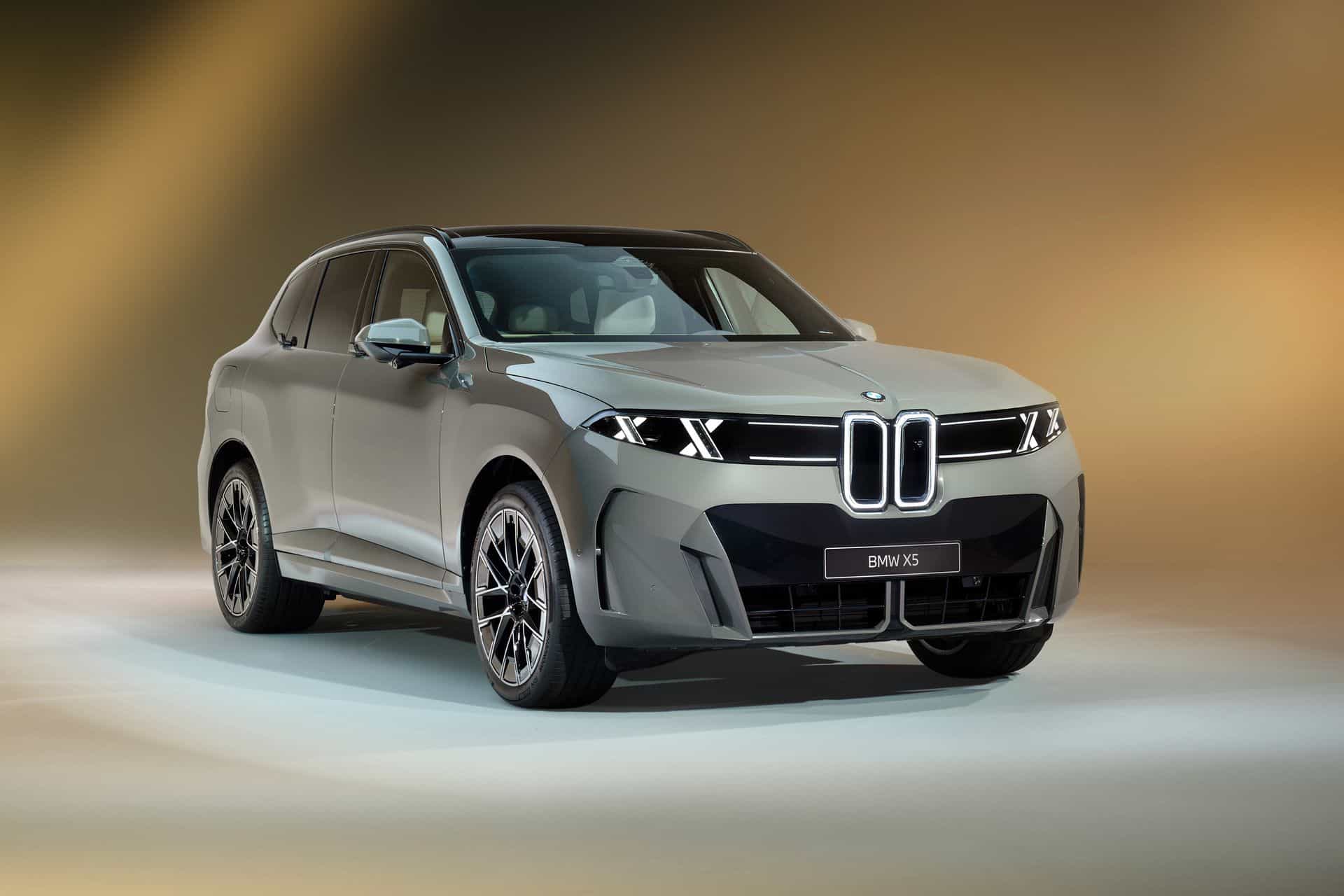
Article Summary
- BMW ran the numbers and estimates the iX5 could have a CO2 advantage over the combustion-engine X5 within two years.
- About a third of the iX5’s weight is made from secondary raw materials, amounting to approximately 940 kilograms (2,072 pounds).
- The iX5 has the largest battery ever installed in a BMW Group product. It’s also the heaviest BMW-badged model.
This just in: cars are bad for the environment. Even before an owner puts the first miles on the odometer, much of the damage has already been done during the production process. The car could run on unicorn tears, and it would still hurt our already massively affected planet. Irony aside, BMW is going to great lengths to reduce the environmental impact of its cars.
Before the iX3 broke cover, the company said it would achieve a CO2 advantage over the conventional X3 after 21,500 kilometers (13,359 miles). Assuming the Neue Klasse SUV is charged exclusively with renewable energy, it reaches that point after only 17,500 kilometers (10,873 miles). Now, Munich is making a similar claim for its bigger brother, the iX5.

BMW has crunched the numbers and believes that, under ideal conditions, the iX5 will become more CO2-efficient than the X5 after only one or two years. However, there’s a big asterisk next to that claim: “depending on annual mileage and source of electricity used for charging.” Long story short, the more you drive and the more you charge with renewable energy, the sooner you’ll reach the CO2 breakeven point.
The iX5 Is The Heaviest BMW Ever
The statement refers to the iX5 60 xDrive, which is the only electric flavor of the “G65” available at launch. With a curb weight of 2,825 kilograms (6,223 pounds) in European configuration, it’s BMW’s heaviest model ever, outside of its armored vehicles. It edges out other heavyweight players such as the i7 M70 and XM Label.

Despite its heft, largely stemming from a gigantic 141-kWh battery, BMW has gone the extra mile to make the iX5 less harmful to the environment. Roughly a third of the vehicle’s weight, or 940 kg (2,073 lbs), comes from secondary raw materials. Ideally, the owner carries that efficiency baton forward and beats the X5 on CO2 emissions within two years, as BMW’s calculations suggest is mathematically possible.
Suffice it to say, a 2.8-ton SUV won’t save the planet, but BMW is trying to limit the damage it does. The company presents a best-case scenario in which the iX5 would achieve a CO2 advantage over the X5 within 24 months or even sooner.
BMW isn’t just looking at ways to lower the carbon footprint of newly built cars. It also believes there’s potential to make vehicles already on the road less polluting.
On the diesel side, it’s pushing HVO100 (Hydrotreated Vegetable Oil) made from cooking oil and animal fats as an alternative, with the potential to cut emissions by as much as 90%. On the gasoline side, BMW is working with Toyota to trial Repsol’s Nexa 95 renewable fuel in Spain.
As the old, and frankly disturbing saying goes, there’s more than one way to skin a cat.

Related posts





Latest Post


No Comments