
BMW 3 Series Hits 2 Million Sales in China as Overall Demand Slumps
Article Summary
- BMW has now sold more than two million 3 Series models in China.
- The 3 Series has led China’s premium midsize sedan segment for 21 consecutive months.
- BMW’s overall Chinese sales continue to fall as domestic automakers gain ground and Neue Klasse production approaches.
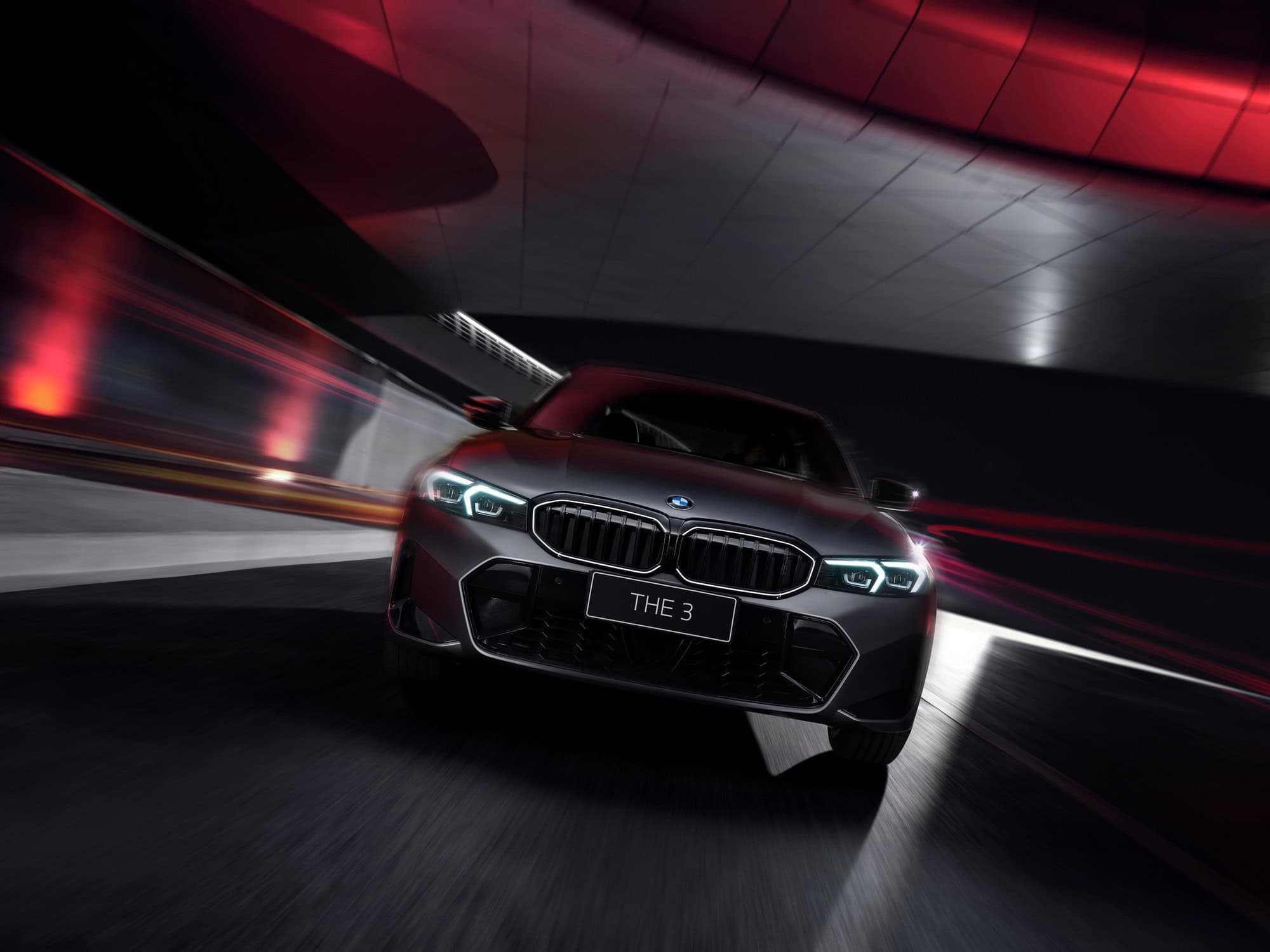
The BMW 3 Series has reached another major sales milestone, this time in the world’s largest automotive market. BMW says cumulative 3 Series sales in China have officially surpassed two million vehicles, underlining just how important the sports sedan remains. There’s more good news, too, and a partial explanation. According to BMW, the 3 Series has led China’s premium midsize sedan segment for 21 consecutive months despite increasingly intense competition from established luxury brands and newer domestic automakers.
China’s new-car market has changed dramatically in recent years. Buyers increasingly gravitate toward electric vehicles, and specifically China domestic models. Frequently, Chinese automakers are able to offer a radically more competitive product than manufacturers from outside the country. However, the traditional luxury sedan remains important, and BMW’s bread and butter 3 Series remains a dominant force in the Chinese market. Although, it now has to compete against a much broader range of products than it did even a few years ago.
The 3 Series Remains a Core BMW

On one hand, it’s no surprise that the iconic 3 Series continues to sell well. But the model has also become increasingly tailored to Chinese buyers. Long-wheelbase versions of the 3 Series are especially important in China, where additional rear-seat space is frequently prioritized even in smaller luxury sedans. A special model, the 3 Series 50 Years Edition, arrives only in China, wearing dashing Thundernight Metallic paint and sporting custom embroidery and Alcantara accents to boot. Even the high-performance M3 got a special, China-only 40 Jahre Edition.
Of course, the 3 Series’ role in China is only expanding. Chinese customers have been able to buy an electric 3 Series since 2022, but the Neue Klasse i3 — and China only i3 L (long wheelbase) — are on the way. In June, BMW Brilliance Automotive (joint venture between BMW and Brilliance Group operating in China) changed up EV production in a drastic way. Several models saw their life cycle come to an end in order to make room for Neue Klasse models, including the longer version of the i3. The Chinese i3 uses sixth-generation eDrive technology, an 800-volt electrical architecture, and a battery built with cylindrical cells. The company has previously claimed more than 1,000 kilometers of maximum range under China’s optimistic CLTC testing cycle, along with peak charging speeds of 400 kW. In the meantime, BMW is marking the 2 million milestone with special financing offers and customer benefits.
BMW’s China Sales Still Need Help

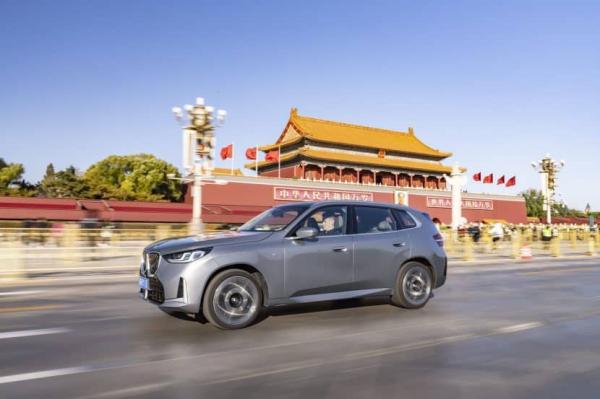
BMW delivered 625,527 BMW and MINI vehicles in China in 2025, a 12.5% decline from the previous year and its second consecutive annual sales decrease. After initially expecting monthly deliveries to remain near 50,000 vehicles in early 2026, the company later lowered its full-year outlook. Through the first half of 2026, BMW and MINI were down 20.4% to 261,773 units overall. The Chinese market continues to challenge many OEMs, as Chinese consumer demand faces pressure and increasingly formidable domestic automakers continue to gain ground. Can the Neue Klasse EVs turn it around? As yet unclear, but we should have a better idea as production ramps up in China and worldwide.

Related posts

Latest Post


No Comments