
Audi’s 2027 Three-Row SUV Is Sticking To Gas Power
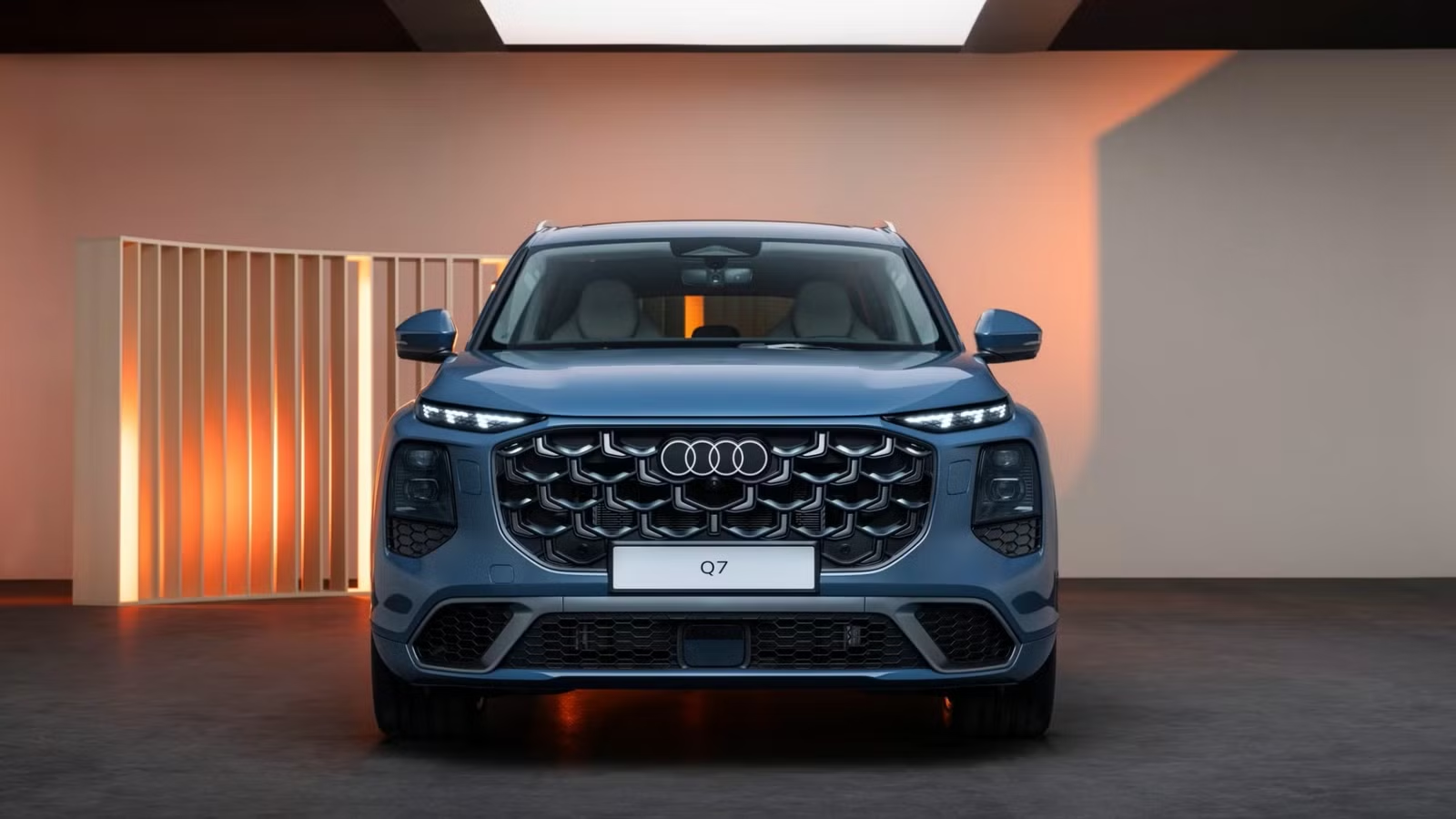
For the 2027 model year, Audi is introducing a new generation of its three-row luxury SUV, the Audi Q7. At the core of this update is a brand-new powertrain, with the base engine now upgraded to a 429-horsepower 2.9-liter twin-turbocharged V-6. The performance-focused SQ7 goes even bigger, with a 591-horsepower twin-turbocharged 4.0-liter V-8, making it more powerful than any Q7 before it. The standard Q7 is now capable of a 4.8-second 0-to-60 mph time, which is legitimate sports-car speed from the comfort of a three-row luxury SUV. This comes as Audi competes in a luxury SUV market where many of its rivals are expanding their powertrain choices.
A 429 HP V-6 Finally Gives The Q7 The Engine It Always Should Have Had

As the Audi Q7 enters its third generation, Audi has ensured that this new model is the most capable and well-equipped generation of its three-row luxury SUV yet.
The Base Q7 Now Makes 429 HP

With the new 2.9-liter twin-turbocharged V-6 powering the standard Q7, this luxury SUV finally gets the power, feel, and performance it arguably always deserved. The previous generation’s base turbo-four never felt at home in an SUV of this size and weight, where its 249 horsepower was barely enough to be considered adequate, let alone impressive.
However, long gone is the era of the Q7 that could only manage a 6.9-second 0-to-60 mph time in base form. With a 4.8-second sprint to 60 mph, the base 2027 Audi Q7 is closer in performance to the previous generation’s SQ7 and its 4.3-second 0-to-60 mph time than to any of the other Q7 variants.
That is a substantial performance upgrade for the lineup overall, with the new Q7 producing 429 horsepower and 442 pound-feet of torque, figures you will immediately feel from behind the wheel. In terms of pure utility, the Q7 also gets the job done, with a 7,700-pound maximum towing capacity.
The SQ7 Variant Peaks At 591 HP

The new high-performance SQ7 may share the same basic powertrain architecture as its predecessor, the 4.0-liter twin-turbo V-8, but power has been increased from 500 horsepower and 568 pound-feet of torque to 591 horsepower and 590 pound-feet of torque. That brings its 0-to-60 mph time down to 3.7 seconds, remarkable speed for an SUV of this size and a massive improvement over the previous generation’s already rapid 4.3-second 0-to-60 mph time.
You feel more of the performance-focused driving dynamics as well, as the SQ7 gets a rear-biased quattro AWD system along with an electronic locking rear differential. Other performance niceties include standard adaptive air suspension, along with an optional sport adaptive air suspension that drops the overall ride height by 30 mm. No matter which Q7 variant you pick, all models are built at Audi’s Bratislava plant, the same location where the previous two generations were produced.
Audi Is Taking A Different Approach To Electrification

Despite the massive performance increases across the board for the new Q7, the most interesting detail about this generation is not these engines, but the lack of electrified powertrains alongside them when you consider the strategies being implemented by other luxury automakers.
Audi Is Skipping Even A Mild-Hybrid — Here’s Why That’s A Deliberate Choice

Despite Audi’s clear push toward an electrified future, the new 2027 Audi Q7 will launch in the U.S. exclusively with gasoline engines, with no electrified variants planned for the U.S. market. To be clear, Audi does not even expect a PHEV, let alone an all-electric model, for now.
Audi is not abandoning electrification altogether, as its U.S. lineup already includes a strong selection of electric SUVs, such as the 2026 Audi Q4 e-tron and 2027 Audi Q6 e-tron. Yet, it is clear that Audi wants to maintain a separation between the gas-powered Q7 and its dedicated electric SUV models.
For the most part, the new Q7 remains a relatively conventional SUV under its skin, with no fancy mild-hybrid system, a traditional automatic transmission, and standard quattro AWD. One reason Audi has kept things simple is customer expectations specific to the U.S. market, where there have been frequent complaints about the lack of refinement and smoothness in the start-stop systems equipped on many of Audi’s mild-hybrid powertrains, according to Audi customer surveys. At the upper end of the luxury SUV market, where the Q7 sits, refinement and luxury feel are determining factors, making the decision to leave out mild-hybrid technology easier to understand.
The Q7 Sits Between Two Very Different Luxury SUV Strategies

Audi’s focused powertrain strategy is a gamble that may or may not pay off, but it is worth examining how the Q7 compares with other current luxury three-row options.
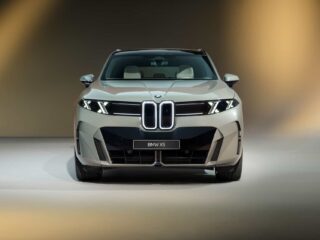
Perhaps the Audi Q7’s most relevant competitor in its segment is the 2027 BMW X7, which is taking a similar approach to its powertrain offerings. The U.S.-market X7 is only available in two trims: the $87,500 base xDrive40i with 375 horsepower, and the $115,000 high-performance M60i with 523 horsepower.

Mercedes and Lexus remain equally relevant in the three-row luxury SUV segment, and each is taking its own distinct approach. For Mercedes, the $93,950 GLS remains its traditional flagship luxury SUV, and if shoppers want an electric alternative, the $89,950 EQS SUV fills that role.
Lexus remains the only automaker in this group focused on traditional combustion and hybrid models, rather than plug-in hybrid or all-electric variants. The base 2026 Lexus LX 600 Premium starts at $108,550 and features a 409-horsepower twin-turbo V-6, while the $121,550 700h Luxury introduces a hybrid powertrain with 457 net horsepower and an impressive 583 pound-feet of torque.
The 2027 Q7’s Gas-First Strategy Comes With More Than Just Horsepower

Here is a closer look at what Audi wants the Q7’s role to be as the brand expands its lineup of both combustion and electric SUVs.
A $9,000 Price Jump That’s Easier To Justify Than It Looks


Audi has announced that the pricing structure of the 2027 Q7 starts at $70,900 for the base Premium, $75,300 for the Premium Plus, and $84,900 for the Prestige model. Considering the 2026 Audi Q7 had a starting MSRP of $62,000, that is a significant increase in overall price.
However, this increase is easier to justify because the four-cylinder model that allowed that lower price point to exist arguably did not belong in an SUV of this refinement level and price point. The base Q7 now offering 429 horsepower represents a substantial performance and refinement upgrade that shoppers willing to spend this amount of money on a luxury experience will surely appreciate.

It is a trade-off, but one that makes sense when you consider the full range of options available around this price point in the luxury three-row SUV market. While many rivals are expanding their powertrain offerings under the same model, Audi is choosing to make the Q7’s position both clearer and more distinct as an individual model.
Sources: Audi, BMW, Mercedes, Porsche, Lexus, U.S. News

Related posts



Latest Post


No Comments