
Audi A3 review: New sub-£30k variant aims to replace A1
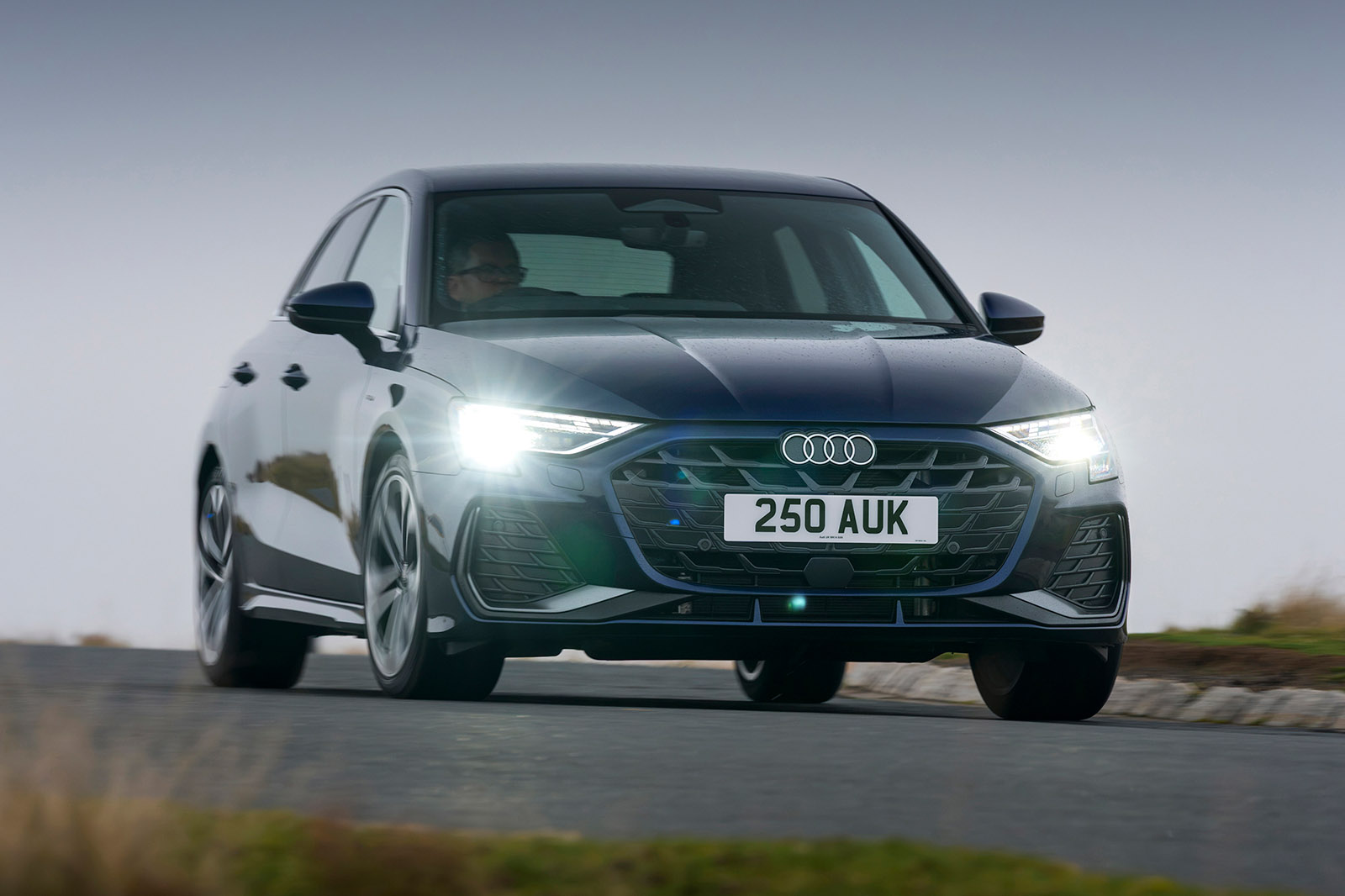
Anyone stepping out of the relatively minimalist cabin of the previous A3 and into this new one will be in for a shock, albeit mostly a pleasant one. There is a wider variety of materials and a dashboard that is, to a degree, split in two, with a more driver-focused design.
Audi acknowledges that this generation of A3 has been criticised since its 2020 launch for the fit and finish of its cabin design, and the priority for its first mid-life update was to give the cabin a quality and charisma boost. So there are now illuminated door panels (30 colours available), redesigned air vents with optional chrome surrounds, a smaller gear selector and a raft of new upmarket materials and colour schemes.

New for 2026 is an oddly octagonal steering wheel with – Audi’s delighted to announce – physical scroll wheels. Behind it sits something less traditional: the brand’s large, sweeping screen setup, familiar from its most recent models and a touch of digitised luxury in this relatively humble car. The driver’s insruments (or Virtual Cockpit in Audi parlance) measures 11.9in, and can incorporate your smartphone’s nav apps, while the central ‘MMI’ touchscreen is 12.3in and has thus swallowed up the old physical climate controls to fix them at the bottom of its display.
This new setup won’t please everyone, but Audi’s displays and layouts are crisp and the central screen is easily reached with the wheel. With a begruding acceptance of the current trend of fewer buttons (potentially reversed soon, but let’s see) this surely strikes a good balance for a car that’s aiming to broaden its already wide appeal. Not least when former A1 buyers include tech-savvy younger drivers. Key stuff like audio volume, drive mode and ADAS deactivation all still favour a physical switch, too. Indeed you only need to press one physical button to bring up the electronic driver aids, so turning off the speed limit and lane keeping bongs is the work of five seconds and doesn’t distract you any more than it absolutely needs to.

Aside from that, and as there was before this facelift, there’s 6mm more elbow room in the front than the pre-2020 car, and 3mm more in the rear, thanks to an increase in the car’s width. A 7mm increase in front head room and 2mm more shoulder room are also welcome, if small, improvements. The driving position is spot on too, with good levels of steering wheel and seat adjustment.
The size of the boot remains the same as in the previous generation, at 380 litres, and this increases to 1200 litres when the rear seats are folded forward. PHEV models do without an adjustable boot floor and do without underfloor storage.

Related posts




Latest Post


No Comments