
Adventure Motorcycles Built For Riders Who Actually Use Them
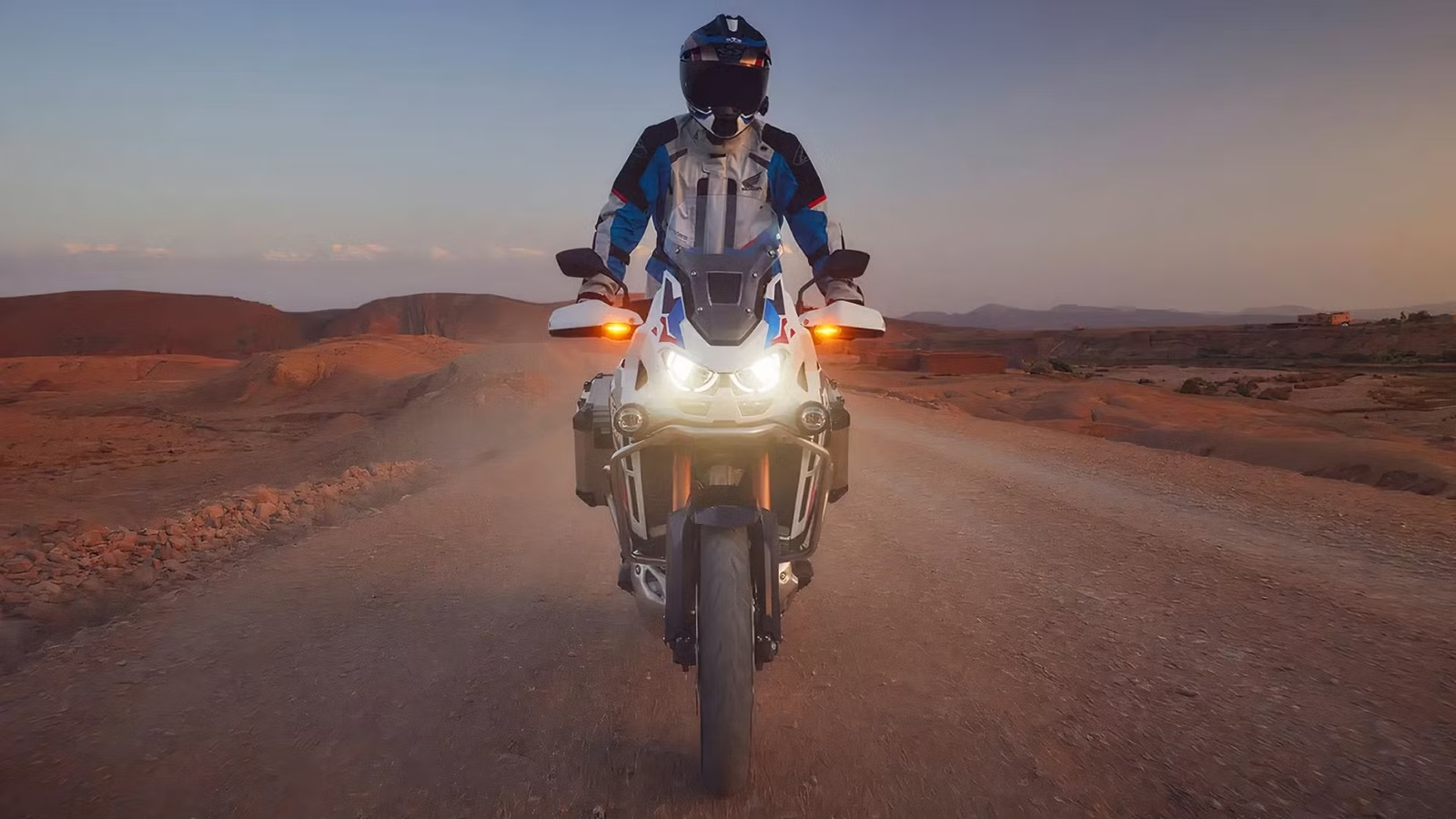
Born out of necessity, adventure motorcycles have rightfully earned the title “Swiss Army Knife” of the motorcycling world and the definitive one-bike garage option. These machines pack the raw power riders crave from a performance bike, deliver a riding posture and ergonomics that don’t tax your body, and offer plenty of comfort features and rider aids. While they stray from the textbook definition in many ways today, as long as they serve their purpose with limit-free capability, ADVs remain the ultimate do-it-all motorcycle. For riders who want to use an adventure motorcycle as intended, here are 10 options to try.
Royal Enfield Himalayan 450
Price: $5,999

Himalayan 450 features a ground-up, liquid-cooled 451cc Sherpa engine that produces 39.5 horsepower at 8,000 rpm and a peak torque of 29.5 pound-feet at 5,500 rpm. A ride-by-wire throttle, paired with a slip-and-assist clutch, lets you enjoy seamless gear transitions without power loss.
Royal Enfield uses a steel twin-spar tubular frame, which is its boon and bane. While the heavy frame pushes the curb weight to 432 pounds, it feels planted on the highway. The suspension pack, however, is the actual standout for the price. The 43mm Showa USD fork at the front and the linkage-type monoshock with preload adjustment at the rear have been widely praised for how well they soak up bumps.
KTM 390 Adventure R
Price: $7,699


The KTM 390 Adventure R is one of the most competent ADVs for off-road riding, and it delivers the same fun on tarmac. Thanks to its two-piece lightweight steel trellis frame with a bolt-on subframe, it’s one of the lightest entry-level motorcycles at just 388 pounds. Coupled with an engine that produces 44 horsepower, the Adventure R provides an impressive power-to-weight ratio.
While the price may seem a bit steep, what it brings — even better than most expensive ADVs — proves its worth. Features like lean-sensitive traction control, cornering ABS, and ride modes make it the only entry-level ADV to be heavily stuffed electronically. The fully adjustable WP Apex suspension delivers best-in-class performance, working like a charm on the dirt, and surprisingly well on the street.
Yamaha Ténéré 700
Price: $10,199

Yamaha uses their widely renowned and reliable CP2 engine on the Ténéré 700, which delivers ample midrange torque. While the manufacturer omitted electronic features, it later added minimal but valuable ones to meet user demand. The engine produces 72 horsepower and 50 pound-feet of torque, all focusing on usable performance.
The chassis uses a lightweight double-cradle tubular steel frame that doesn’t compromise on durability. Furthermore, the fully adjustable KYB suspension provides 8.3 inches and 7.9 inches of travel at the front and back, respectively. Brembo handles the braking, and with three selectable ABS modes, the motorcycle handles exactly how you want.
Suzuki V-Strom 800DE
Price: $11,799

The V-Strom 800DE is loaded with tech features, like gravel mode-assisted traction control, multiple ride modes, and a bi-directional quick shifter. Suzuki uses a liquid-cooled parallel-twin engine here, a widely praised design that also powers a family of bikes. The 270-degree crank replicates Suzuki’s famous V-twin response while keeping it light and compact.
V-Strom 800DE displaces 776cc, producing 83 horsepower at 8,500 rpm and 57.5 pound-feet of torque at 6,800 rpm. With an off-road-focused setup, the bike pairs 21-inch and 17-inch wheels and Showa-powered suspension, delivering a decent 8.7 inches of travel. Although it sits on the heavier side (508 pounds), the 33.7-inch seat height helps offset some of that weight.
Aprilia Tuareg 660
Price: $12,499

Aprilia Tuareg 660 does exceptionally well off-road for an ADV. At 449 pounds, it is lighter than its rivals, and Aprilia’s slim, centralized design helps further. The fully adjustable Kayaba suspension with 9.4 inches of travel further proves the manufacturer is building a motorcycle to take all the abuse. Despite its off-road focus, the Tuareg offers rear preload and damping adjustment to account for luggage and passengers.
Looks may say otherwise, but the Tuareg packs some sophisticated tech. Aprilia’s APRC suite offers multiple ride modes (including one specifically for off-road), traction control, engine brake adjustment, and cruise control, among other features. It packs 80 horsepower and 51.6 pound-feet of torque, which goes a long way when you factor in the bike’s weight.
Honda Africa Twin
Price: $15,199

The renowned and respected Africa Twin comes with a 1,084cc parallel twin engine that produces 101 horsepower and 83 pound-feet of torque at 5,500 rpm. Adding $800 for the DCT option improves ride quality with lightning-fast gear shifts. While the motorcycle does its off-roading duties well, this DCT-and-ADV combination is well suited to touring.
Built around a lightweight steel semi-double-cradle frame, the Africa Twin handles both road and off-road well. With Showa’s fully adjustable suspension in the mix, it shows its effectiveness in full flow. The 6.5-inch TFT display is big in its class, and its smartphone compatibility provides a seamless interface, along with plenty of rider aids for all conditions.
KTM 890 Adventure R
Price: $16,299

The middleweight brother in the Adventure series, the 890 Adventure R is KTM’s ultimate weekend motorcycle, inspired by their Dakar-winning machine. At its heart is an 889cc liquid-cooled parallel-twin engine that claims 105 horsepower and 73.8 pound-feet of torque. While the bike sits on the expensive side of its segment, it backs that with a chassis and suspension derived from its rally blood.
The 890 Adventure R sits on a tubular chromoly steel frame that uses the engine as a stress member to keep curb weight to 441 pounds. The 48 mm WP XPLOR USD forks up front and the monoshock at the rear are fully adjustable and deliver 9.4 inches of travel. A 5.28-gallon fuel tank gives a decent breather when you want to shift from off-road to a cross-country tour.
Ducati DesertX V2
Price: $16,995

The 2026 Ducati Desert X breaks its tradition, rolling out without Desmodromic valve actuation and featuring a smaller 890cc V2 engine. Given the bike’s purpose, this shift prioritizes reliability over performance. It produces 110 horsepower and 69 pound-feet of torque. The underpinning is also reworked with a brand-new, lighter monocoque chassis, maximizing compactness and improving rigidity.
It is further complemented by fully adjustable suspension that provides a respectable ground clearance. Electronics have always been Ducati’s strong suit, and the DesertX V2 doesn’t disappoint. It features six riding modes, eight levels of traction control, four levels of wheelie control, three levels of engine brake control, and four levels of cornering ABS.
KTM 1390 Super Adventure R
Price: $21,649

Moving to the heavy-duty side usually means motorcycles sacrifice off-road capability, yet KTM delivered the 1390 Super Adventure R, which not only undercuts its rivals but also overdelivers. With a steel trellis frame, KTM prioritizes weight and rigidity, and the fully adjustable WP XPLOR suspension setup — which provides an abundant 9.45 inches of travel — handles the off-road heavy lifting.
The mammoth 170 horsepower comes from a V-twin that peaks at 9,500 rpm and produces a maximum torque of 107 pound-feet at 8,000 rpm. Loaded with top-spec technology, the Super Adventure R features a tablet-sized eight-inch TFT touchscreen. Rider aids include lean-sensitive traction control, cornering ABS, Hill Hold control, and even a front radar unit.
BMW R 1300 GS Adventure
Price: $23,795

The current R 1300 GS Adventure has undergone an extensive overhaul, with the automatic gearbox as the main talking point. However, to get that, you will have to spend $28,235, as it doesn’t come as a standalone option. Nevertheless, it shows its worth, and the 1,300cc boxer-twin engine produces 145 horsepower and 110 pound-feet of torque, delivering comfort and reliability.
A two-piece chassis holds the engine as the stress member, and the bolt-on subframe helps shed 26.5 pounds. What sets this BMW apart from other ADVs is its suspension setup. It employs BMW’s proprietary EVO-Telelever and EVO-Paralever mechanical architectures, coupled with an advanced Dynamic Suspension Adjustment electronic brain. This helps the 593-pound ADV automatically lower by an inch at walking speed and raise it once you cross that mark.
Source: BMW USA, KTM, Ducati, Aprilia, Honda Motorsports, Royal Enfield, Suzuki, Yamaha

Related posts

Latest Post



No Comments