
The V6 That Powers Both A 300,000-Mile Sienna And A Lotus Supercar
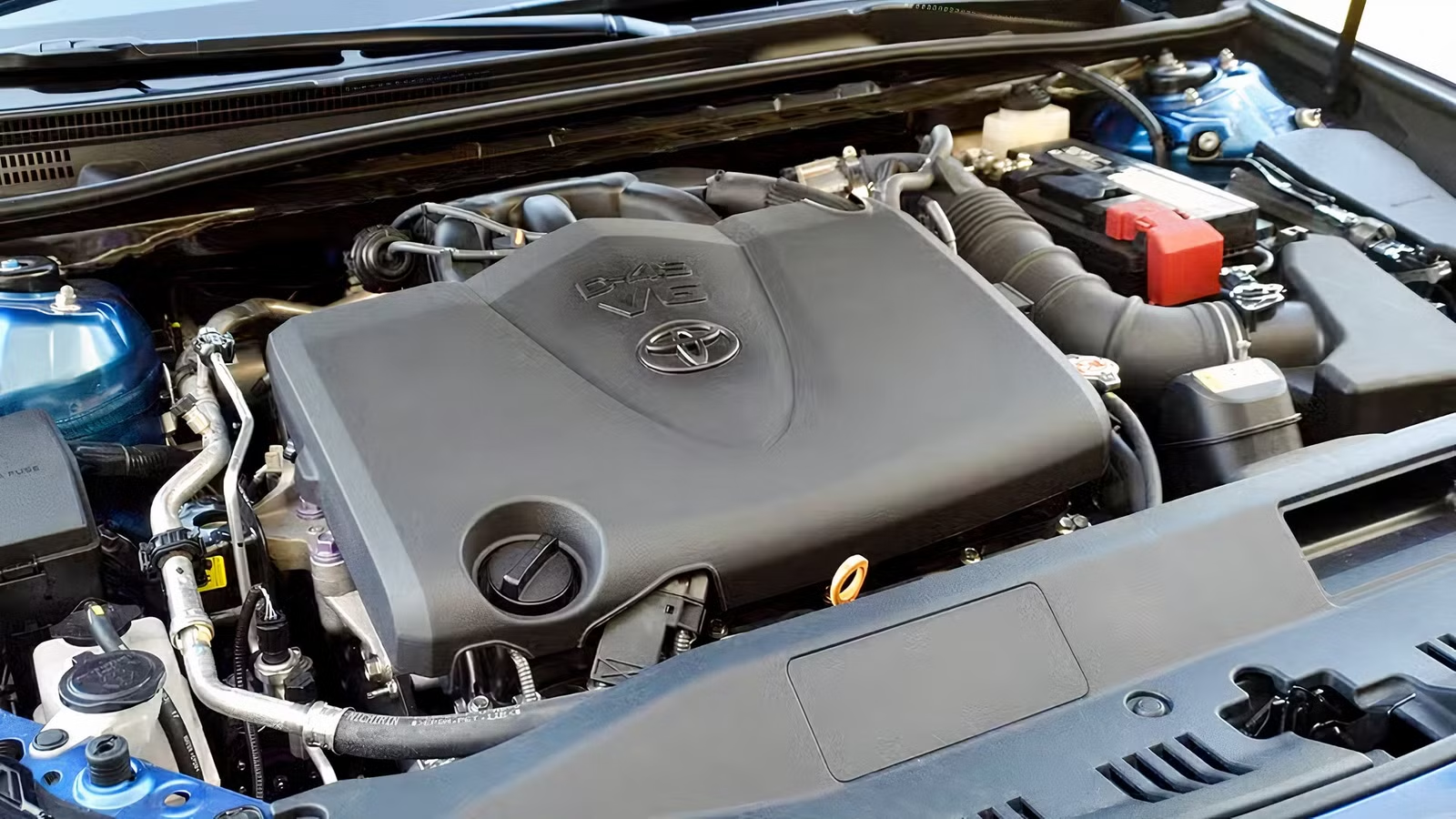
It’s pretty typical for automakers to share powertrains among not only their own models, but to also export them outside their brand. It’s also pretty typical for a singular engine to power everything from a full-size 1500-grade pickup truck to a sports car. What isn’t nearly as common, however, is trading engines between two brands that are on opposite sides of the planet and have quite literally nothing to do with one another from a make and model perspective. Especially from the model perspective.

The model in question is a minivan that has 280,000 miles on the odometer. It has three rows of seats and a long service history that reads like a grocery list on the way to the store. The other vehicle in question is an iconic British sports car brand that features a low-slung mid-engine coupe costing six figures. To the average onlooker, these two cars have quite literally nothing in common from a use and driving standpoint. Would you believe it? They actually both share the same 3.5-liter Toyota V6 engine. The kicker of this whole thing is that you can find this legendary V6 bolted into either a Camry or Lexus for the price of a decent MacBook Pro.
Two Completely Different Jobs, One Engine Nobody Sees Coming
When you think of performance, you probably don’t think of reliability, and the opposite is equally true. Yet, that is not the case for this powertrain. The V6 in question refuses to pick a proverbial lane. It can simultaneously idle in carpool traffic for two decades, yet, with a supercharger attached, can launch itself into featherweight supercar territory. Supercharger aside, this engine uses the same blocks and heads that you can find in both iterations.
The Minivan Pulling Carpool At 280,000 Miles


Let’s start with the more humble side of the equation, because when it comes down to brass tacks, this is where this engine earned its stripes. It can be dropped into a Highlander, Avalon, Camry, and yes, even a Toyota Sienna. Either way, this engine refuses to die because it can still run well past 300,000 miles on nothing but regular oil changes. Rideshare drivers, delivery drivers, fleet drivers, and families can confidently attest to the never-ending reliability of this engine. Of course, this is exactly how the original engine was built: reliable, bulletproof, and dependable.
The Lotus That Skipped British Engineering

Now onto the strange side of the story, the Lotus Evora. Lotus isn’t known for releasing new cars every five years. In fact, the Evora was the first all-new car that Lotus had made in years, joining the Elise and Exige in the lineup. So, they sourced an engine rather than engineering their own. They sourced from Toyota’s catalog, using the same 3.5-liter V6 that is bolted into the Camry and the Lexus RX 350. Now there are two versions of this engine that the Evora ran, which is the naturally aspirated version and then the Evora S that has the supercharger on it. The other side of this equation is the fact that British cars are not always known for their superb engineering, whereas Japanese cars — especially Toyotas — are.
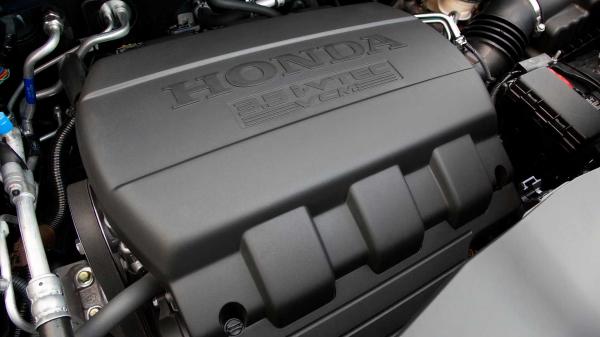
The Japanese V-6 Engine So Reliable, The Automaker Still Hasn’t Replaced It
This longstanding six-cylinder powerhouse remains a foundation of the American automotive landscape.
What It Takes To Power Both Worlds

You might be asking yourself, how does one engine do the job of an SUV/minivan anda supercar gracefully? The answer to that is: it all depends on how it’s built. The engine in question is an all-aluminum 60-degree V6 with dual variable valve timing and a timing chain, as opposed to a timing belt. Because there’s no belt, there will be no scheduled belt replacement as long as you keep the oil clean. The block is die-cast aluminum featuring aluminum heads, which are, for all intents and purposes, light and strong. This combination lends itself to the robustness of an everyday car and the power output of a supercar.
The Aluminum Block That Handles 400 Wheel-Horsepower On Stock Internals

With this architecture in place, you are able to tune an engine like this to any degree of ferocity your automotive-loving heart desires. The maximum horsepower Lotus tried to target was between 400 and 450 horsepower. This power was only supported by boosting the original engine. That’s a huge difference from the 270 horsepower it makes in the Camry. And it’s also why tuners love this engine.
- Base Evora: naturally aspirated, 276 horsepower, 0 to 60 under 5 seconds.
- Evora S: TRD-developed supercharged version with a Harrop blower, making 345 horsepower.
- Evora 400: Edelbrock supercharger, 400 hp, 0 to 60 in just 4.1 seconds.
- Evora Sport 410: 410 horsepower, 0 to 60 in 3.9 seconds.
- Evora GT430: 430 hp, titanium exhaust, 0 to 60 in 3.7 seconds. This is the most powerful street Lotus of the time.
How Toyota Stretched One Architecture Across Two Decades Without Breaking It

If there’s one thing Toyota is good at besides reliability, it’s taking a powertrain and stretching it across decades. This 3.5-liter architecture has spanned nearly their entire lineup for the better part of 20 years. As the tired adage goes: if it ain’t broke… You can find this engine in the ToyotaAvalon, Toyota Camry, Highlander, Sienna, and early RAV4. In Lexus’ lineup, it’s found in the RX 350, ES 350, and IS 350. The Toyota/Lexus products never came close to 400 horsepower, but later applications did push it into the 295 to 315 horsepower range.
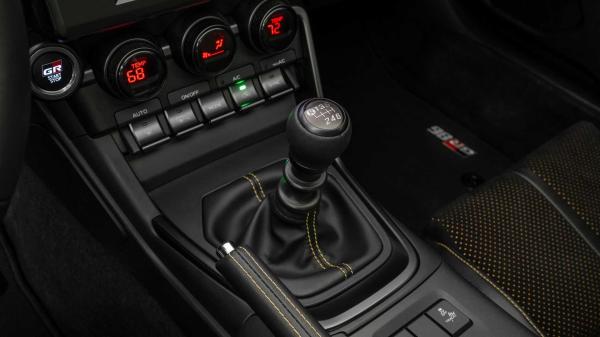
The Bulletproof Japanese Sports Car You Can Actually Daily Drive
A lightweight, rear-wheel-drive coupe with a naturally aspirated engine proves that bulletproof engineering and everyday usability can still coexist.
Meet The Toyota 2GR V6 — The Engine Behind Both Stories

If you know your engines, then you’ve probably already surmised that this is the Toyota 2GR. It’s Toyota’s venerated 3.5-liter V6 from the GR lineage. This now-famous engine comes in a few different varieties, from the port-injected 2GR-FE that was found in most Toyota models, to the 2GR-FSE and 2GR-FKS, not to mention the hybrid variant — the 2GR-FXE. Now we know what you’re thinking, which variation did the Lotus Evora get? The Evora, Exige V6, and the current Emira all employed the supercharged FE variant with a Lotus-specific intake, exhaust, and engine tuning.
A 3.5-Liter That Replaced A Legend And Became One Itself

The 2GR came about in 2005, replacing the much older MZ and VZ V6s (including the 1MZ-FE). This, of course, is also a famous, durable engine that helped put Toyota’s reliability on the map. When you strike gold with either a powertrain or a model, it’s often hard to replicate, and most of the time, automakers fall on their face. Not Toyota. Toyota gave the 2GR even better reliability, more power, and improved fuel efficiency. The older engines also sported a timing belt, which was replaced by the timing chain we mentioned previously — a change that makes for simpler maintenance.
Why The 2GR Is The Strongest Argument Against Downsized Turbo Fours

Toyota is also remarkably consistent at holding steadfast in its powertrain decisions. Currently, you can see that with their refusal to go all electric and instead stay supplanted in their hybrid lineup. While Toyota stayed with the 2GR, everyone else in the industry pivoted to small turbocharged four-cylinder engines. These engines employ high-stress components and turbos that ended up damaging internals (looking at you, Theta II). This only proves why Lotus embarked on their usage of this engine. Naturally aspirated V6 engines are only that much more reliable, especially Toyota-made ones.
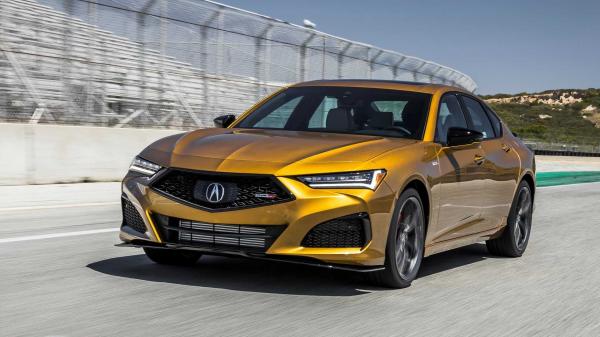
Here’s Why The V-6 Engine Refuses To Die In A World Of Downsizing
While big engines are on the chopping block, the V-6 continues to carve out its place in the modern era of efficient vehicles.
A 120,000-Mile Used 2GR Might Be The Smartest Long-Term Buy On The Market

To take it back to the Toyota/Lexus side of things, this also proves that the 2GR is only smarter in terms of buying a used car. When perusing a used lot, if you find an ES 350 with the 2GR sporting 120,000 miles, you know it’s barely broken in. You could realistically drive it for another ten years or more. Especially if the maintenance history is good, you have quite literally nothing to lose — other than a lot of money if you buy something else from the same era with the same miles.
The Weak Points Are Real, Bounded, And Cheap To Fix

Now, of course, we can sing the praises of the 2GR all day long, but know this: no engine is perfect. However, the 2GR’s flaws are actually reasonably priced and easy to fix. Here are some of the problems you would face with the 2GR and what you should look out for:
- Rubber VVT-i oil line (2005 to 2008): Confirm that the oil line is made of metal and not rubber. The rubber lines are known to rupture and lose oil quickly, leading to catastrophic engine damage.
- Water Pump Issues: The seals typically weep around 100,000 to 120,000 miles. If you get them replaced by a professional, the fix will run you in the $400–$700 ballpark.
- Carbon Buildup: this issue only reflects the direct-injected 2017+ models. Carbon can be deposited on the intake valves.
- Miscellaneous: overconsumption of oil, timing-cover seal leakage, timing-chain tensioner issues.
Which Models To Target And What To Check Before You Buy

The best example of this engine that you could probably buy is the 2GR-FE. You won’t have to deal with the direct-injection carbon deposit issue at all. The Lexus versions are more reliable because they have better parts and an overall better dealership ownership experience. Also, make sure it has had regular oil changes, as sludge is a significant issue that can kill this engine. There could also be timing chain rattles on a cold start, leaks on any and all the lines, as well as water pump issues. Make sure that you get a clean one with all of its paperwork intact, and you’ll likely be able to drive it for 300,000 miles.
Sources: Lotus, Lexus, Supercars.net, CarsAuto, iSeeCars

Related posts




Latest Post


No Comments