
The Discontinued Mazda SUV That Just Became A Smarter Used Buy Than A New CX-90
The SUV market is as big as it has ever been, and still growing. Models like the CR-V and RAV4 continue to dominate sales, but with so many available, it is inevitable that some have to be dropped to give way for better-selling nameplates.

Mazda has done just this. After just two model years, despite everything this midsize SUV is good for, it is being discontinued already. It’s not all bad news, though; it just means prices are already falling for a practically new, near-luxury SUV.
Discontinued SUVs Can Become Used-Market Bargains
Just because an SUV is discontinued doesn’t make it a bad vehicle. Brands often cut models because they aren’t selling in sufficient numbers to justify keeping them around, even when the vehicle itself is perfectly capable. For those of us who buy used, that means we can get a relatively new SUV with plenty of life left in it, but less showroom demand.

Take the Ford Edge. It was discontinued in 2024 because of a growing demand for compact crossovers and as a streamlining exercise, but you still get 73.4 cubic feet of space, and a 12-inch touchscreen. Plus, considering it is only two years old, average used prices sit between $21,700 and $30,900.
Low Demand Can Push Prices Down Even When The Hardware Still Works

The Nissan Rogue Sport never really found its place among other small SUVs in the U.S., and was dropped in 2022. It sat between the smaller Kicks and the regular Rogue, making it hard to pin down. By the time Nissan pulled it, its aging 2.0-liter inline-four and dated seven-inch touchscreen really weren’t helping its case.
However, with small dimensions of 172.8 inches by 72.3 inches, and a maximum cargo capacity of 61.1 cubic feet, the 2022 model’s maximum average used price of $17,750 makes it look like a bargain today.
The Mazda CX-70 Shares Almost Everything That Matters With The CX-90

Available as the 2025 and 2026 Mazda CX-70, it may sound strange that Mazda would drop a new model so quickly, but they have. The CX-70 is leaving the U.S. market at the end of 2026.
In 2025, only 18,333 models were sold, and up to September this year, only 9,686 have been sold. In comparison, some 55,000 CX-90 models were sold in the U.S. in 2025. Struggling sales are only part of it, though; model confusion also hasn’t helped the CX-70.
Rear-Drive-Based Engineering And Inline-Six Power Give It Premium Credentials

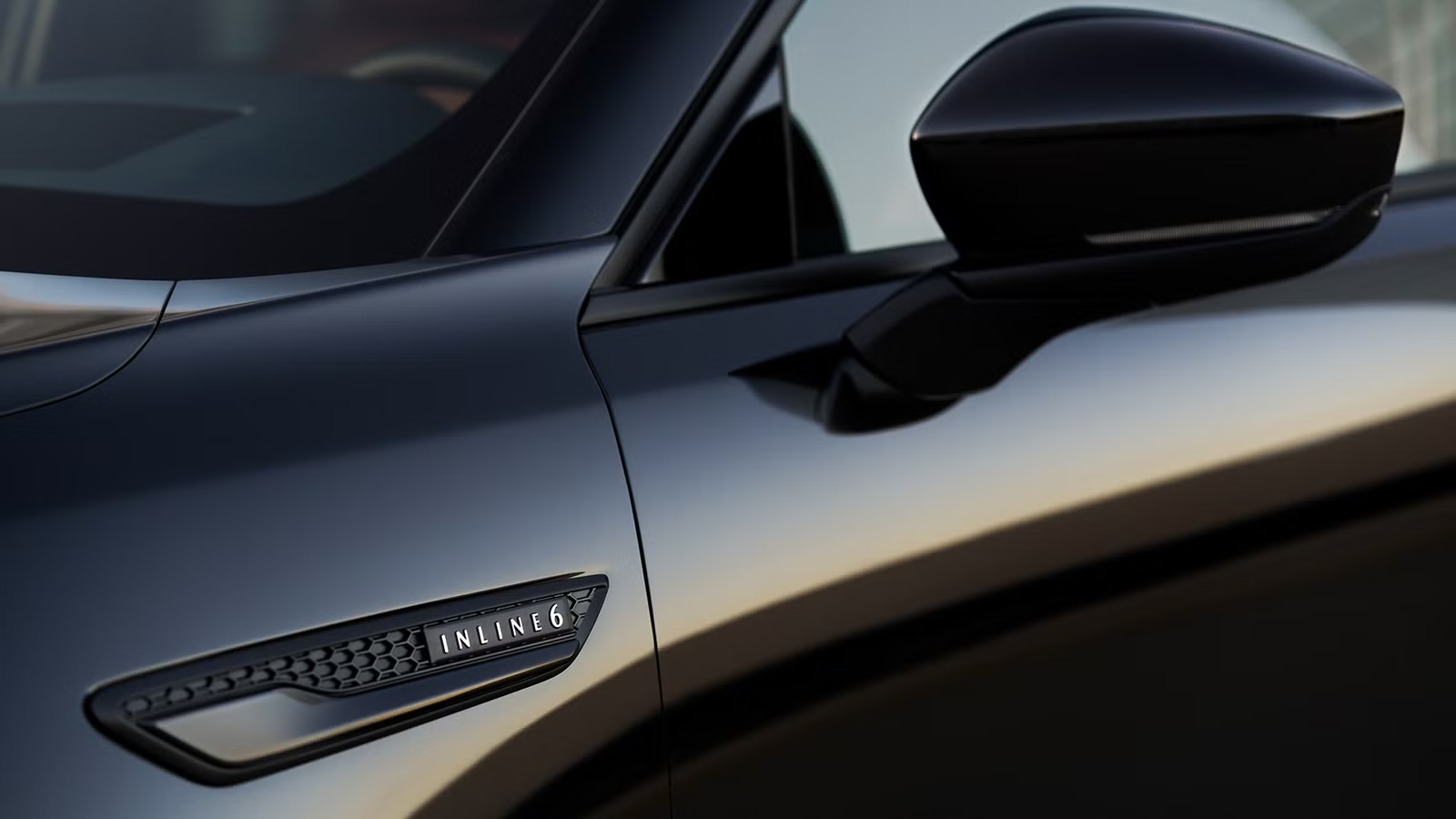
The new CX-90 has made a name for itself for having three comfortable rows of seating, a rear-biased AWD rig, and a potent inline-six. The 2025 and 2026 CX-70 share these traits, minus the third row, and with starting prices of the 2025 CX-90 at $37,845 and the two-row CX-70 at $40,455, more people went for the bigger option for less money.
Both the CX-70 and CX-90 are equipped with the same powertrain options. The base engine is a 3.3-liter turbocharged inline-six good for 280 horsepower and up to 369 pound-feet of torque (with premium gas ) .
The high-output option is a 3.3-liter turbocharged inline-si x good for 340 horsepower and 369 pound-feet, and the PHEV CX-70 is equipped with a 2.5-liter inline-four hybrid powertrain rated at 323 horsepower and 369 pound-feet.
All models also get a rear-biased i-ACTIV AWD rig, which both shores up wet-weather driving and provides some sporty handling, despite the CX-70’s 200.8-inch length and curb weight of up to 5,198 pounds.
Two-Row Cabin Offers The Space We Actually Want

There are just two rows in the CX-70, but that doesn’t mean you are really missing out compared to the three-row CX-90. There is a maximum passenger volume of 141.6 cubic feet; front legroom is impressive at 41.7 inches, and rear legroom is very spacious for the segment, at 39.4 inches.
With the rear seats in place, the CX-70 offers 39.6 cubic feet of storage space; with the seats folded away, you get 75.3 cubic feet. However, it doesn’t end there. Because the CX-70 uses the same body platform as the CX-90 but doesn’t have the third row, you also get a multi-compartment underfloor storage area in the trunk. There are also deep door pockets, a large center console up front, and seatback pouches.
A Used CX-70 Could Save You From Paying New CX-90 Prices
The original starting price range for the 2025 CX-70 may have been more than a new CX-90, but now that the CX-70 is being pulled from the market, average used prices are settling down to appealing levels. Mazda says a 2026 CX-90 has a price range of between $38,700 and $57,970, while the new PHEV model has a price range of between $50,695 and $58,700.
Depreciation Gets You Mazda’s Near-Luxury Features For Less
According to Kelley Blue Book, the 2025 3.3 Turbo Preferred has a national average purchase price of $39,000; the 3.3 Turbo Premium, $44,000; the 3.3 Turbo Premium Plus, $46,800; the 3.3 Turbo S Premium, $50,100; the 3.3 Turbo S Premium Plus, $53,400; and the PHEV CX-70, between $51,900 and $54,800.
Many owners report that there isn’t a huge difference between the CX-70 and CX-90 when it comes to exterior styling and what you get in the cabin, and they aren’t wrong. Paying less here does not get you penalized.
Even the lower trims get leatherette upholstery, a 12.3-inch central display, and a matching digital instrument cluster. Moving up the range gets you genuine leather, heated and ventilated front seats, and a panoramic sunroof.
The PHEV variant follows the same formula, with Nappa leather, wood-look trim, and plenty of soft-touch surfaces throughout the cabin. Higher trims of the PHEV CX-70 also get a 12-speaker Bose audio rig, a HUD, and a 360-degree camera, so there’s little about it that feels like a budget alternative.
Plug-In Hybrid Option Offers More

Considering the power on tap, no 2025 CX-70 is exceptionally thirsty at the pump. FuelEconomy.gov estimates that both the base-engine model and the HO model can achieve 25 combined mpg, with the HO model returning 23 mpg in the city compared to the base engine’s 24 city rating.
This is estimated to cost you between $2,550 and $3,200 a year for gas, with the higher expenditure reserved for the premium gas-drinking HO model. Then there is the PHEV CX-70. According to FuelEconomy.gov, the plug-in CX-70 can achieve 56 MPGe and offer a gas-tank range of up to 490 miles. This is estimated to cost you $2,200 a year for gas and electricity.
Is A Used CX-70 A Better Buy Than A New Two-Row CX-90?


Buying a one-year-old CX-70 isn’t better than a new CX-90 if you are looking for a fresh warranty or a third row of seating. The CX-90 still offers a significant amount of affordable luxury compared to the likes of the new Acura MDX, the new Volvo XC90, and the BMW X7; and for many buyers, the combination of Mazda reliability, a quiet and luxurious cabin design, and a potent inline-six paired with a rear-biased AWD system is enough to make the Mazda a compelling choice.
However, with prices already dropping so much for a one-year-old CX-70, things look different in terms of value for money and properly-sorted SUV capability. Combined with a CarEdge-estimated five-year depreciation rate of around 37 percent, and all the same potent powertrain and cabin detail but with more overall storage space than the more expensive new CX-90, going for a used but soon-to-be-discontinued model doesn’t look like a bad idea.
Sources: Mazda, Kelley Blue Book, FuelEconomy.gov, and CarEdge.

Related posts




Latest Post



No Comments