
Kawasaki’s Retro ZX-11-Powered Standard Sold So Well It Earned A Bigger Sequel
For most of the 1990s, the standard motorcycle was a hard sell in America. Upright seats, simple bodywork, and sensible prices were doing well in Europe, yet US buyers walked straight past them on the showroom floor. Kawasaki Heavy Industries had been burned by the class before. Its answer, when it finally came, borrowed a heart from its own flagship sportbike, wrapped it in nostalgia, and sold well enough to earn something no failed standard ever got: a sequel.
Why America Rejected The Early-1990s Standard Motorcycle

The casualty list was long. Kawasaki’s own Zephyr 750, Honda’s CB-1, and the Honda Hawk GT all failed to sell well enough to keep being imported, according to a 2001 newspaper report on the class. Honda spokesman Pete ter Horst blamed the bikes themselves, which arrived as European designs held back by a horsepower limitation agreement. His verdict was blunt: “We like the way [naked bikes] look, but don’t think they have enough oomph.”
The Hawk was the clearest example of the problem. Its V-twin and light chassis made it a sweet handler, but its price sat awkwardly close to Honda’s faster, fully faired CBR600F Hurricane. One retrospective puts the Hawk at roughly $3,600 with the CBR600F just $500 more, while another quotes $3,995 and a $400 gap. Either way, buyers picked the sportbike, and the Hawk soon disappeared from Honda’s US lineup.
Suzuki’s Bandit 1200 Proved Big-Bore Standards Could Sell


The fix turned out to be displacement. Suzuki launched the Bandit 1200 in 1996, using a 1,157cc four closely related to the air-and-oil-cooled GSX-R1100 superbike engine. Retuned for midrange rather than outright top end, it made around 100 hp, and it was the only big-bore streetbike around when it arrived.
That formula took a while to fully land in America. US buyers got the half-faired Bandit 1200S first, and after an upgraded version made a big splash in 2000, Suzuki brought over the fully naked bike for 2001. The lesson for every other Japanese maker was obvious. Comfort sold, but only when it came with real superbike grunt attached.
The Kawasaki ZRX1100 Put ZX-11 Muscle In A Retro Frame

Kawasaki’s answer was the ZRX1100, built from 1997 to 2001 and sold in the US from 1999. Its 1,052cc inline-four came from the ZX-11, Kawasaki’s flagship sportbike, and it sat in a heavy steel frame that kept the whole package over 550 lbs wet. Power figures vary by source, with one spec sheet quoting 106 hp at 8,700 rpm and another quoting 96 hp and 69 lb-ft.
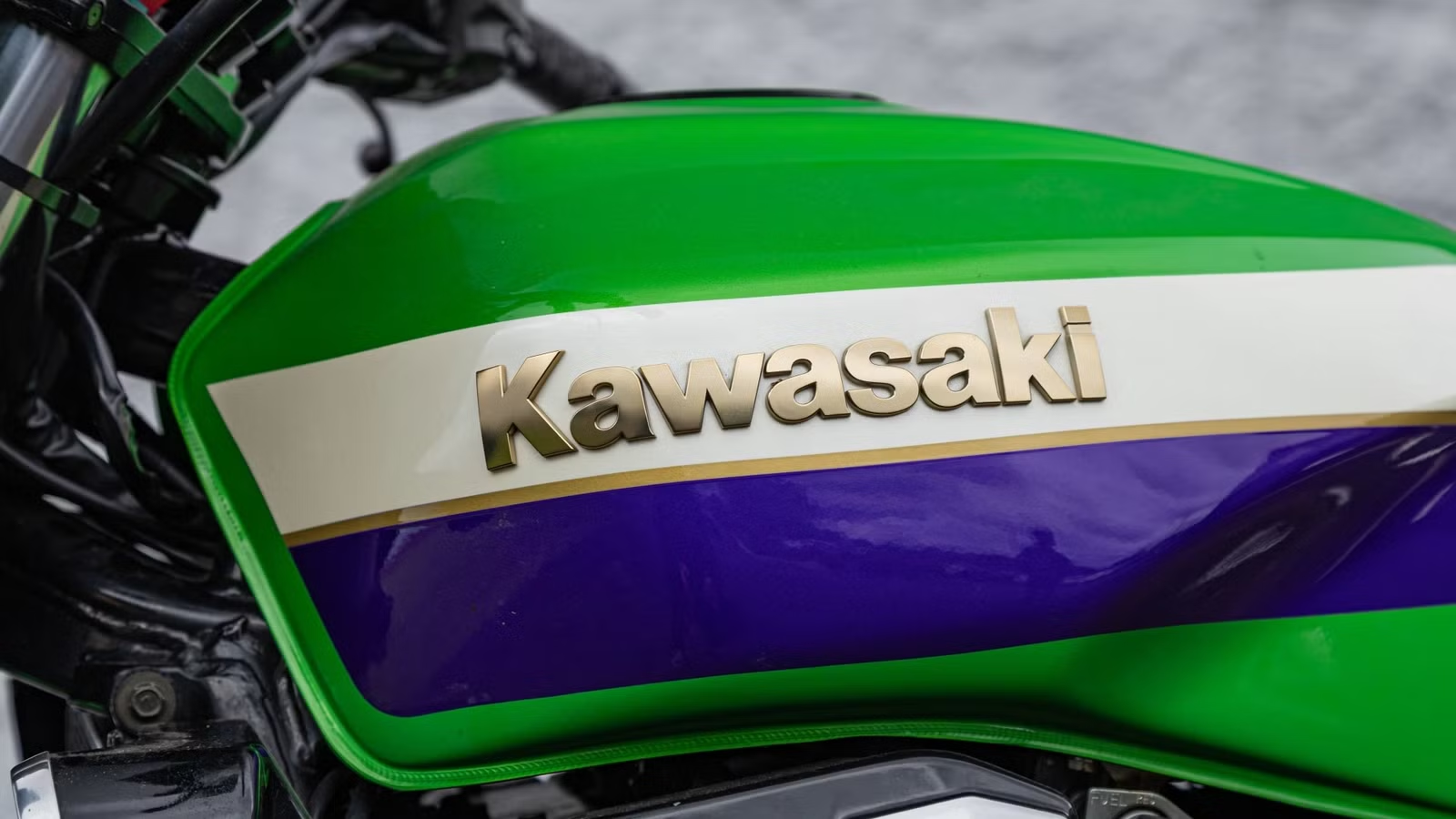
The look did as much selling as the engine. The ZRX was styled as a tribute to the KZ1000R Eddie Lawson Replica, with lime green paint echoing the Kawasakis Lawson rode to AMA Superbike titles in 1982 and 1983. That mattered, because the aging baby boomers driving the market wanted Superbike-era cool with a more upright riding position.
How Kawasaki Retuned The ZX-11 For The Street

Kawasaki didn’t simply drop the ZX-11’s engine in and call it done. Engineers lowered the compression ratio and fitted smaller 36 mm Mikuni carburetors, trading some top-end rush for a flatter, fatter torque curve. That made the ZRX far easier to live with on the street, where usable midrange matters more than a peak figure on a spec sheet.
It was exactly what the market had been asking for. Kawasaki’s director of motorcycle product management, John Hoover, said makers were chasing riders who valued comfort but weren’t ready to give up the power they had grown attached to. The ZRX delivered both in a single package.
Strong Sales Earned Kawasaki The ZRX1200R

The proof came in the showroom. Kawasaki said ZRX1100 sales were healthy enough in 2000 that it reintroduced the model as the ZRX1200R for 2001. A 3 mm bigger bore and a 1.4 mm longer stroke took displacement to 1,164cc, and Kawasaki claimed a 13% jump in power. The sequel listed at $7,899 at launch.
The changes ran deeper than the engine. A new aluminum cylinder block with plated bores saved 3.3 lbs, the wheelbase grew by about half an inch, and a wider rear wheel took a 180/55-17 tire. Kawasaki kept carburetors when rivals were moving to fuel injection, and the ZRX1200R stayed on sale in the US until 2005, while Japanese buyers could still get one new as late as 2007.
The Blue-Collar Muscle Bikes That Outlasted Their Doubters

The timing was perfect. In the first quarter of 2001, US standard bike sales rose 8.8% while cruiser sales dipped 2%, while sport bikes jumped 22.1% and on-highway sales overall climbed 6.5%. Honda’s ter Horst summed up what the industry had learned: “We want comfort but won’t give up power.” The Bandit and ZRX were the bikes that proved that was possible.
Today’s upright performance bikes follow the same template, with a big engine, a sensible riding position, and minimal bodywork. Kawasaki even returned to the Eddie Lawson paint scheme years later on a new generation of retro standards. The small standards that lacked oomph vanished, but the big ones that delivered it gave Kawasaki a second act.
Sources: Los Angeles Times, CanyonChasers, Motorcycle Classics, Motorcyclespecs, Motofomo, Motorcyclist, Mecum.

Related posts
Latest Post


No Comments