
The Toyota Hybrid Built For Every Kind Of Commute
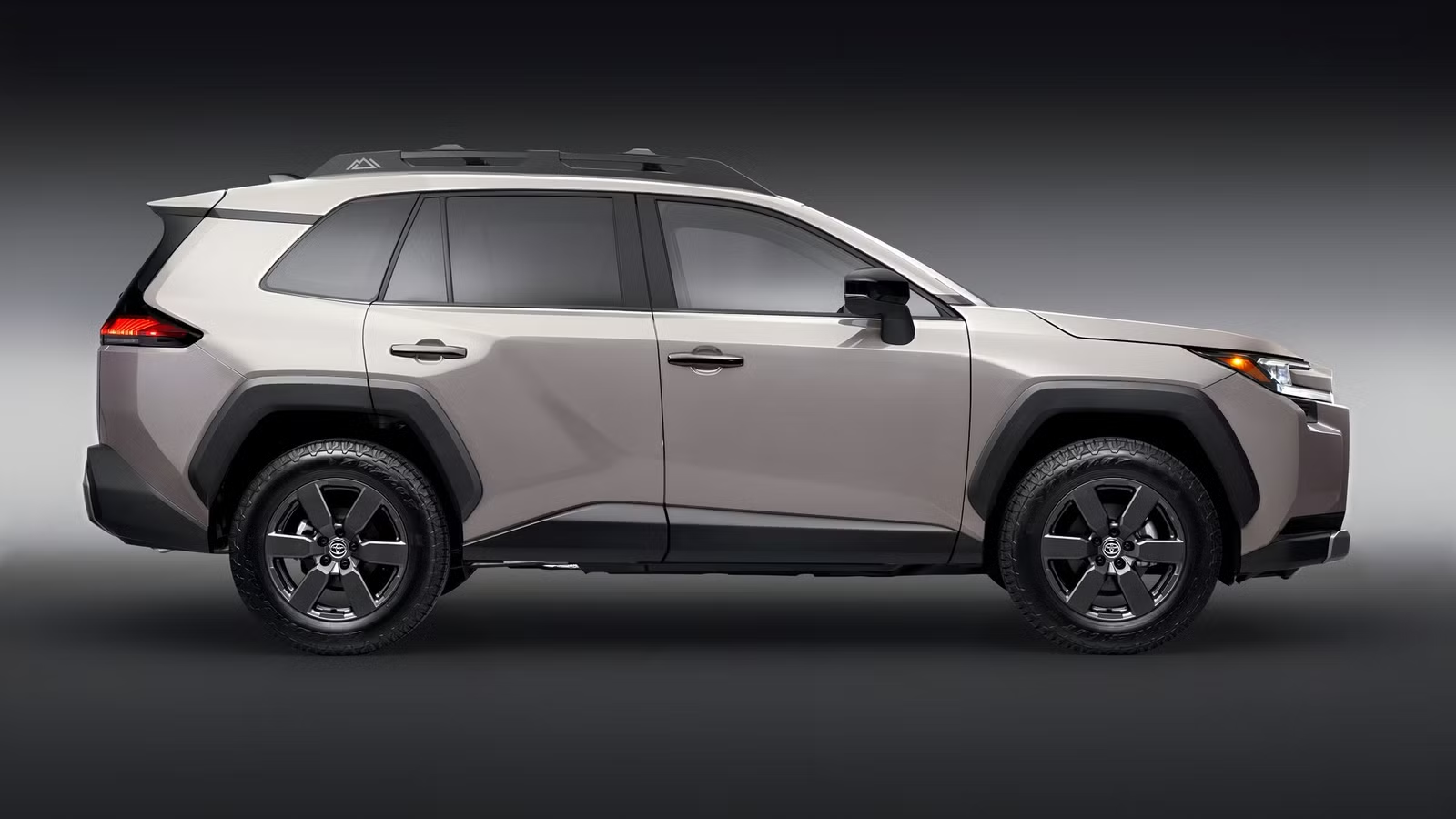
Most commutes are not one single journey in isolation. They are a crawl through gridlock, a stretch of open highway, a school drop-off, a coffee stop and a grocery run, sometimes all before lunch. Few vehicles cope with that mix gracefully, and fewer still avoid punishing their owners at the pump. Toyota has spent more than two decades refining a hybrid system for exactly this job, and for 2026 it has gone all in, making electrification the only choice in its best-selling crossover lineup. The result treats a Monday morning and a Saturday road trip as the same task.
How The Toyota RAV4 Hybrid Makes Stop-And-Go Traffic Less Demanding


Stop-and-go traffic is where a hybrid really earns its keep. From a standstill, the RAV4 Hybrid pulls away on electric power alone, so the engine stays quiet and the fuel gauge barely moves. Lift off the accelerator and regenerative braking recovers energy that a conventional car would waste as heat. That is why the EPA city rating beats the highway figure. The front-drive model is rated at up to 47 mpg city, while all-wheel-drive versions land at around 46 mpg.
There is also less work for the driver. The e-CVT has no gears to hunt through, so crawling at 5 mph feels the same as cruising at 35. Toyota Safety Sense adds adaptive cruise control that can manage the gap to the car ahead down to a stop, which takes the edge off the daily grind.
The Hybrid Powertrain Balances Responsive Performance With Everyday Fuel Efficiency


The heart of the package is a 2.5-liter Atkinson-cycle four-cylinder paired with Toyota’s fifth-generation hybrid system. Front-wheel-drive models make 226 horsepower, while all-wheel-drive versions add a rear electric motor and rise to 236. That is 17 horsepower more than the previous-generation hybrid’s 219, and a clear step up from the old gas-only engine.
The engine’s torque available the instant you press the pedal. In practice, that means confident merging and easy overtaking without the engine screaming for attention. Efficiency has not been sacrificed for the extra power. The front-drive model is rated at 43 mpg combined, with AWD versions slightly lower. Against the old gas-only RAV4, that is a gain of well over 10 mpg, and it arrives with more performance, not less.
Why Its Combination Of Electric And Gasoline Power Suits More Than Just City Driving

Beyond the city limits is where the RAV4 Hybrid quietly delivers. On the highway, the front-drive model is rated at up to 40 mpg, and AWD versions manage 39 mpg. That is strong for a vehicle of this size, and it translates to an EPA-estimated range of up to 624 miles on a full tank. A long family drive becomes a one-stop affair.
Highway manners are better than before, too. Toyota’s stiffer chassis and quieter cabin make high-speed cruising calmer, though the e-CVT can still drone when you demand full power on a steep grade.

The electric rear motor in AWD models also changes the equation on wet roads, gravel and snow, with torque sent to the rear wheels only when needed. Ground clearance of around eight inches and the rugged Woodland trim stretch this to light trails and campsite tracks. This is not a Land Cruiser alternative, but for forest roads and unpaved parking fields, it is more than capable. A 3,500-pound towing rating covers a small camper or a trailer full of bikes.
Cabin Space, Practical Features And Comfort Make It A Strong Daily Family Companion


Behind the rear seats, the 2026 RAV4 offers 37.8 cubic feet of cargo space, expanding to 70.4 cubic feet with the seats folded. The cargo area is wide and square, so strollers, hockey bags and flat-pack furniture slide in without a fight. Up front, a new infotainment display of up to 10.5 inches runs Toyota’s Arene software, and the cabin feels more modern than the outgoing model’s. Toyota kept physical knobs for volume and temperature, which is welcome, although fan speed and several secondary climate functions have moved to the touchscreen. Most owners will adapt quickly.
Rear legroom has historically trailed rivals such as the Honda CR-V, so families with tall teenagers should sit in the back before signing. For everyone else, the combination of a quiet ride, easy-to-use controls and generous storage makes the RAV4 a low-stress daily family tool. Toyota also includes two years or 25,000 miles of complimentary scheduled maintenance.
How The RAV4 Hybrid’s Efficiency, Versatility And Ownership Appeal Strengthen Its Case

Pricing starts in the low $30,000s for the base LE, climbing to roughly $45,000 after delivery for a fully loaded Limited. Because every RAV4 is a hybrid, there is no premium to pay for the efficient version, as there once was. Fuel savings are easy to quantify too. Driving 15,000 miles a year at 43 mpg uses about 349 gallons, versus roughly 500 gallons at the old gas-only RAV4’s 30 mpg.
With gas near $4 a gallon, that is around $600 saved annually, not counting the complimentary maintenance. Toyota also covers key hybrid components for up to eight years or 100,000 miles, which eases the long-term worry that holds some buyers back.
Toyota hybrids have a long record of reliability and strong resale values, and the RAV4 is the best-known example. It is not the most thrilling crossover, and the e-CVT is not its finest hour under hard throttle. But as a vehicle that handles the daily grind, the highway and the weekend without complaint, it remains the benchmark.
Sources: Toyota, The EPA

Related posts




Latest Post



No Comments