
Dolphin G: 90mpg marvel is best BYD yet and could be my next family car
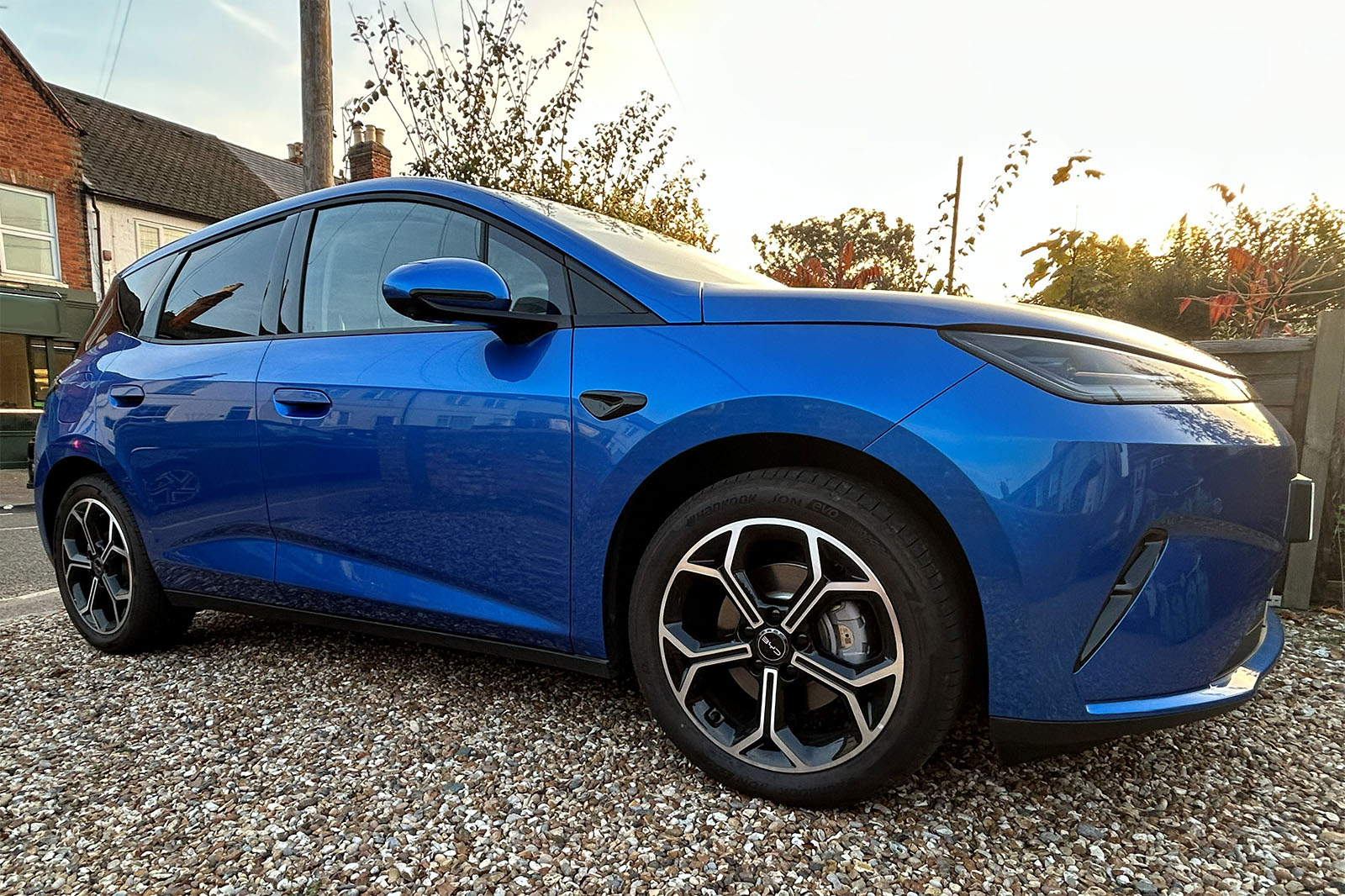
Innovative plug-in supermini has beaten Renault’s new Clio – will one also replace the Clio on my driveway?

I love superminis. Done well, there’s no more car I need.
Just because the car is small, that doesn’t mean it needn’t ride and handle well, be practical and have good performance.
A Mini Cooper (the third-gen BMW model, when it really went grown-up, sharing its base with a BMW 1 Series) and a very brief flirtation with a Renault Twingo aside, all the cars I’ve ever owned have been superminis.

For the best part of two decades, that meant the Ford Fiesta. Still miss it. Why, Ford, why?! Currently, it’s a Renault Clio, which admittedly does such a good impression of a Fiesta, right down to the 0% finance offer that makes you wonder how they can make any money on them…
No matter how good the three years have been with the Clio, that milestone where it heads out of warranty is inevitably a time when you start to look for what else is on the market. Which is what I’m doing now, albeit in no great rush or desire to change.
A new Clio is coming. I was an interested reader myself in our recent twin test of it against the BYD Dolphin G, where the Clio performed largely as it always has done but was beaten by this most European of cars from Shenzen. So I had to try the G myself.
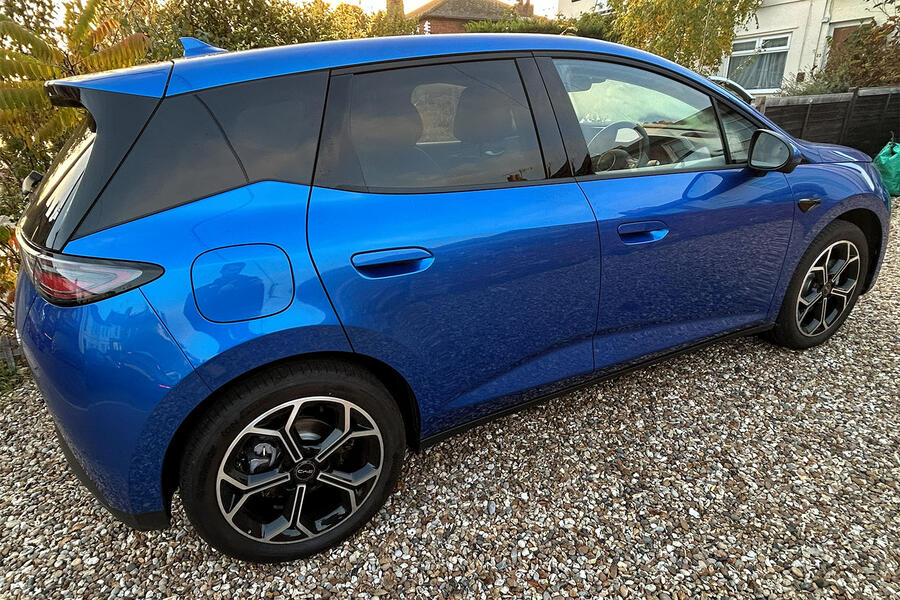
The Dolphin G is comfortably the best BYD I’ve yet driven. It is the first supermini with a plug-in hybrid drivetrain and I can’t work out how the engineers have managed to package an engine, transmission, fuel tank, electric motor and battery in a way that actually makes the interior feel bigger than that of the Clio, particularly in the rear, and keep the boot such a usable size and shape.
It all works too. You spend a lot of your time at low speeds and in urban areas on pure-EV power, which makes performance excellent in these environments, where the G is nippy and grippy like a good ’mini should be. At higher speeds, the 1.5-litre engine takes over the running and the G is as brisk as you need it to be – although sadly there’s no escaping the eCVT drone under acceleration.
The chassis generally feels as sophisticated as a European contender and debunks any pre-conceived notion about small, cheap cars from China.
Cons? I’d want a bit more feel from the steering around the straight-ahead and the infotainment system/ touchscreen manages to mix an awful lot of dead space with an unlikely talent for preventing you from being able to then find where anything is. The less said about the driver distraction monitor the better too: my eyes are on the road!
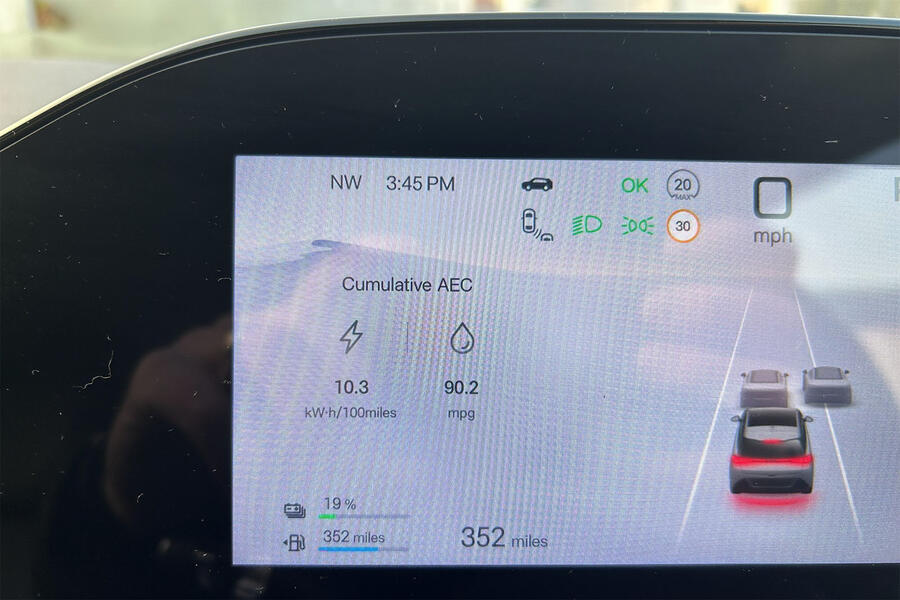
Better was to come when I ran the numbers at the end of the week: over about 300 miles, with two full charges of the 18.3kWh battery giving an electric range of around 50 miles, the indicated economy remained above 90mpg. I handed the car back with a displayed petrol range of more than 350 miles. I’d let the battery run dry twice, and didn’t exactly rush to fill it back up, but still it seemed to run on the proverbial fresh air.
Where the G is so impressive is that it brings something completely new to the market, rather than simply trying to better or undercut an existing model. Plug-in superminis are new territory and it’s notable that China has got there before Europe, despite Europe’s historical ’mini prowess. It’s easy to find a new G for £25,000 and nearly new examples with fewer than 1000 miles on the clock can be had for under £20,000.
It highlights the relevance of plug-in hybrids both as a technology in its own right and as a bridging technology to full electric, which again illustrates the folly of crude legislation based on powertrain type.
There is a sub-set of buyers in the market, typically older, who will do very few miles and will always buy new yet they don’t trust EVs despite their relevance to them. I’d bet they’d have more concern over time about the petrol in their tank going off with a car like the G than whether or not they can indeed live with an EV.
BYD’s sales are flying, and in September the brand sat behind only Volkswagen in the sales charts here. If the G, irritating ADAS and infotainment aside, is representative of its rate of improvement and quality of its execution for relevant cars and technology, the only thing that’s going to prevent it from taking top spot here are other factors such as dealer network size, marketing, availability and aftersales.
Perhaps my Clio will turn out to be a fling after a messy divorce with the Fiesta. Right now, the G feels like the kind of car I could settle down with again.

Related posts


Latest Post


No Comments