
The MazdaSpeed3 Turbo Hot Hatch Golf R Owners Secretly Envy
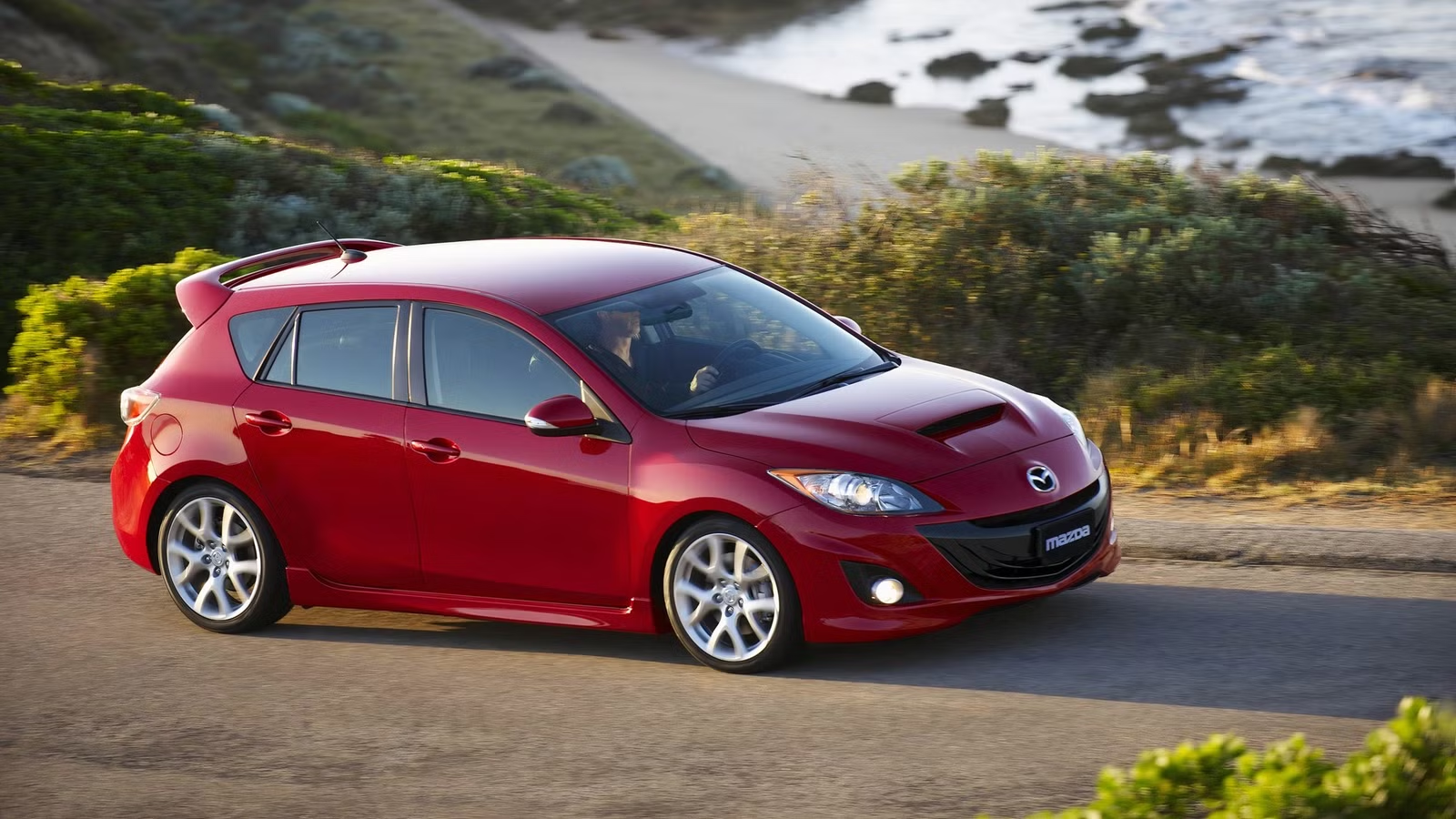
You can spend twice as much on a used hot hatch and end up with fewer reasons to remember the drive home. Better traction, quieter cruising, and a smarter cabin are worthwhile upgrades, but they can also remove the little arguments that make a performance car entertaining. Sometimes the bargain is the car that asks more of you, provided its previous owner hasn’t already asked for too much of its engine.

That tension gives the MazdaSpeed3 its enduring appeal. Discontinued after 2013, this turbocharged Mazda offers a distinctly different experience from a used Golf R: less insulation, more commotion, and an asking price that can leave money for maintenance. Whether that sounds exciting or exhausting tells you more than any badge comparison.
Premium Hot Hatches Can Polish Away Some Of The Fun
The Golf R Makes Speed Easy To Live With
A used Golf R presents a persuasive argument when you need one car for everything. Its AWD helps deploy turbocharged power, while its restrained styling and comfortable cabin make everyday duties feel entirely reasonable. Choose a later Mk7 example and the appeal includes a noticeably newer environment than the Mazda’s.

The GTI and Civic Type R belong on your shopping list, too, although they approach the job differently. A GTI emphasizes everyday balance, while a Type R makes a stronger commitment to front-drive performance. None requires an apology for being more polished than an older Mazda.
The Traits You Miss Might Be The Ones Reviewers Criticized

The catch is that convenience and involvement don’t always increase together. A car that smooths every response can deliver impressive speed while leaving you less to manage, and that matters if the process interests you as much as the result.
The cheaper alternative appeals through sensation. Boost arrives with a distinct change in urgency, the steering reports the front tires’ workload, and acceleration demands attention. You don’t need to dislike refinement to occasionally miss a little mechanical disagreement.
The MazdaSpeed3 Delivers Its Performance With An Argument
Its 2.3-Liter DISI Turbo Gives The Front Tires Plenty To Handle

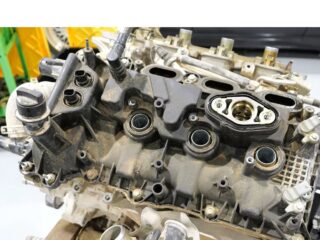
The focus here is the second-generation BL Mazdaspeed3, sold in the U.S. for 2010–2013. Its 2.3-liter DISI (direct-injection spark-ignition) turbo four-cylinder produces 263 horsepower and 280 pound-feet of torque, delivered through a six-speed manual and a torque-sensing limited-slip front differential. The earlier U.S. model was the 2007–2009 BK; neither is the modern Mazda3 Turbo, which uses a different platform.
Those specifications explain much of the personality. The front tires handle steering and propulsion, and the differential helps distribute available drive without eliminating the steering tug called torque steer. Accelerate hard, and the wheel can demand corrections rather than quietly accepting your instructions.
Steering Feedback Makes Ordinary Roads Part Of The Experience

The BL uses electro-hydraulic power steering, so its appeal isn’t some romantic absence of assistance. Mazda revised the rack mounting to improve rigidity, giving the steering a firmer mechanical foundation. The attraction is how clearly the front end announces its workload.
Torque steer itself isn’t proof of superior steering, and a worn suspension shouldn’t receive compliments for being lively. In a healthy example, however, the combination of steering response, manual shifts, and boost changes makes ordinary acceleration feel eventful. The Golf R’s composure can seem wonderfully relaxing afterward, or slightly too relaxing.
The Golf R Earns Its Premium When The Weather And Commute Turn Ugly
AWD Gives You Traction The Mazda Cannot Replicate

Rain exposes the limits of romanticizing front-wheel struggles. The Golf R can distribute drive across both axles, giving it an advantage when accelerating on slippery surfaces. The Mazda’s limited-slip differential helps, but it cannot manufacture grip when both front tires have exhausted what the road offers.
Good tires remain essential on either car, and AWD doesn’t create a matching advantage in emergency braking. Still, if your daily route includes wet uphill junctions, the Volkswagen’s extra traction has practical value. A little wheelspin is entertaining right up until you’re tired, late, and carrying groceries.
Cabin Refinement Matters After The Back Road Ends

A Mk7 Golf R generally offers a more mature environment, with a more substantial cabin feel and better isolation from the engine noise. The Mazda’s bold dashboard and trim belong to another period, and age can add rattles to an already busy experience. None of that improves after an hour in traffic.
Modifications can widen the difference. Stiffer mounts introduce vibration, aggressive exhausts add drone, and inexpensive suspension changes can turn a firm hatchback into a punishment device. Pay attention to the specific car rather than assuming every uncomfortable modification is the price of admission to the enthusiast club.
A Cheap Mazdaspeed3 Needs Expensive Questions Before You Buy
An Under-$8,000 Asking Price Is Only The Starting Point


Recent advertised examples show the attraction and the trap. A 2010 MazdaSpeed3 with 132,236 miles was listed at $6,900, while a 2013 with 126,150 miles carried a $9,900 asking price. Another $7,995 example disclosed a rebuilt title, demonstrating why a search filter cannot certify a bargain.
For context, a listed 2016 Golf R with 100,390 miles asked $15,490. That illustrates a substantial entry-price gap, rather than a controlled comparison or a guarantee of condition. Older, higher-mileage Golf Rs also trade for less than $15,000, so compare actual histories before declaring the Mazda half-price.
Fuel-System History And Engine Condition Deserve A Specialist Inspection
The high-pressure fuel pump (HPFP) warrants particular attention on a modified BL. Separate mechanical failure from inadequate capacity: a functioning stock pump may struggle to supply the fuel demanded by increased airflow. COBB’s guidance makes clear that hardware and calibration must work together; an intake and an unexplained tune aren’t reassuring paperwork.
Ask for receipts for the pump internals and have a specialist assess the fuel pressure logs. Apply the same scrutiny to modified BK cars rather than treating this as a BL-exclusive issue. Pump upgrades don’t establish that the engine spent its previous years receiving adequate fuel.
Start the engine cold and investigate a timing chain or variable valve timing rattle. Check for turbo smoke, oil consumption, damaged mounts, clutch slip, corrosion, and mismatched modifications. Compression or leak-down testing can help assess a questionable engine, while mount clunks need diagnosis rather than dismissal as “just torque steer.”
Buy The Car Only If You Can Afford The Condition

Choose the MazdaSpeed3 if you want manual involvement, obvious turbo character, and steering that keeps you informed, and you’re willing to maintain an aging performance car. Choose the Golf R if its traction and refinement better suit your actual week. Buy the character only if you can afford the condition, because the cheapest ticket into the scene can become the most expensive way to stay there.
Sources: Mazda, Car and Driver, COBB Tuning, CorkSport, Edmunds

Related posts

Latest Post



No Comments