
This Base-Model Chevy Wagon Might Be a Factory 427 Fraud
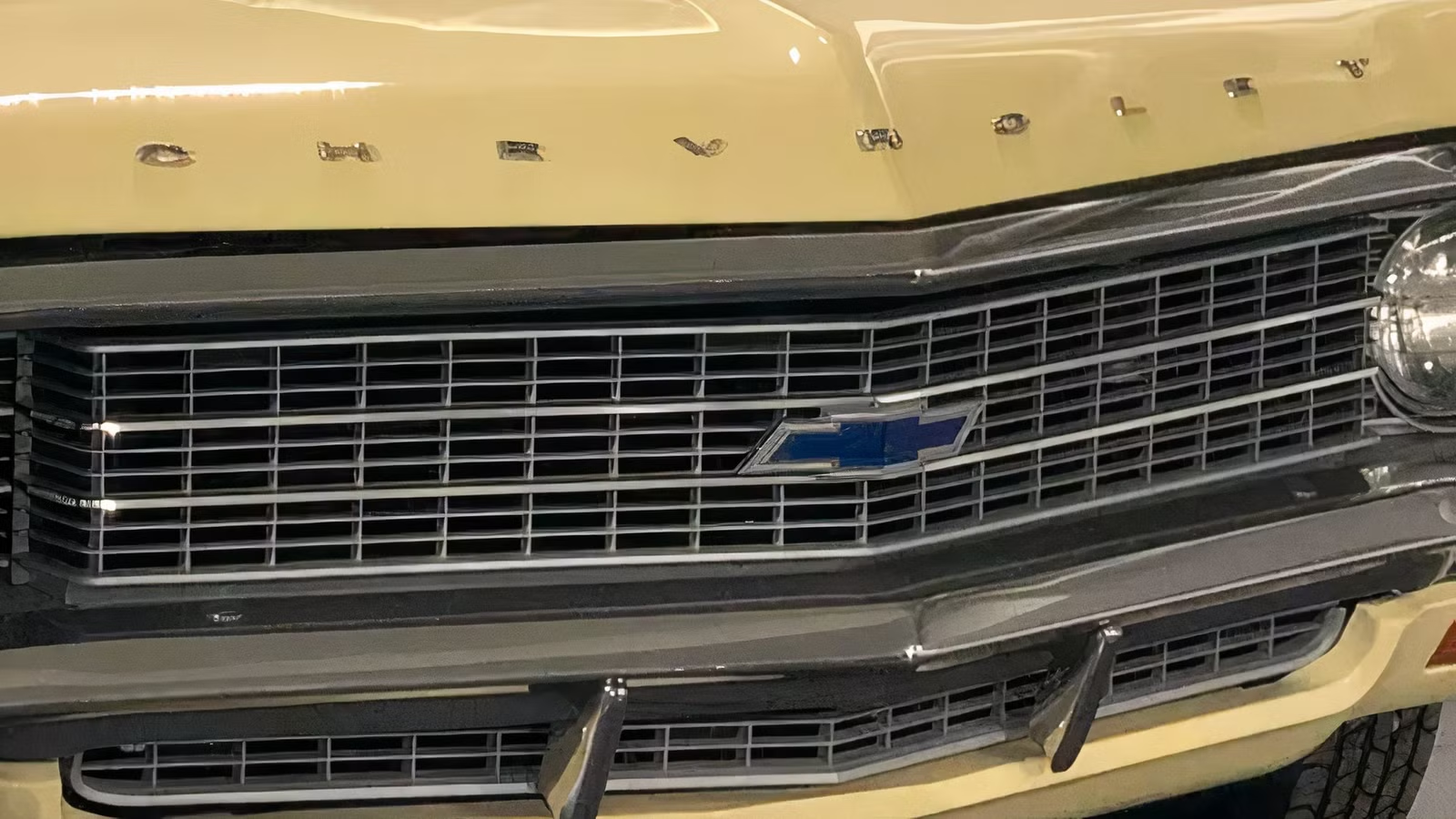
Put a plain 1969 Chevrolet wagon beside a woodgrain Kingswood Estate. One looks dressed for the showroom; the other sits on steel wheels with a bench seat and all the glamour of a grocery run. Then ask the question that turns the plain wagon into a detective story: did it leave the factory with a 427?

Big-block family wagons are easy to love. Proving this one is the real sleeper is harder, because the VIN cannot settle the engine question. A genuine old build sheet could.
A Factory 427 Claim Needs More Than A Badge Or A VIN
Chevrolet’s 1969 serial number can tell you whether a wagon started life with a six-cylinder engine or a V8. What it cannot tell you is which V8. The factory specifications list the model, year, assembly plant, and production sequence, but engine identification was handled separately. So decoding the VIN gets you into the right neighborhood. It does not magically turn “V8” into “427,” no matter how hopefully you stare at it.

The badge is not much more cooperative. Muscle Cars & Classics sells an original-style 427 fender emblem measuring 4-7/8 by 1-1/8 inches, with chrome-plated metal and white numbers. Its fitment list covers several Chevrolet models, but that only tells you where the badge is meant to fit. A shiny “427” on the fender is evidence of a badge, not proof of what Chevrolet installed.
That is also why authenticating an LS6 Chevelle takes more than checking what sits under the hood. A genuine old big-block could have been swapped in years later. The build sheet is what can connect the engine to this specific wagon.
Meanwhile, A Loaded Kingswood Estate Offers A Clue

The benchmark wears Butternut Yellow and woodgrain. A documented 1969 Kingswood Estate offered in 2020 came with its build sheet, a rebuilt four-barrel 427 Turbo Jet V8, and a three-speed Turbo Hydra-Matic driving the rear wheels. The listing gives that engine a factory rating of 335 gross horsepower. That number belongs to this documented wagon; it cannot establish the output of an unverified factory combination in the cheaper model.
Based on the Caprice, the Kingswood Estate sat at the top of Chevrolet’s full-size wagon range. This example paired woodgrain sides with Comfortron air conditioning, cruise control, power steering, and a rear-facing third row. Even this wagon wore steel wheels with chrome hubcaps, so steel wheels alone tell you surprisingly little about where a 1969 wagon sat in the showroom.
With that third row, there was room for nine, while the dual-action tailgate served the cargo area. This was a family hauler with a documented big-block and comfort gear aboard.
The 1969 Brookwood Is Chevy’s Unexpected Wagon Suspect
The reveal is gloriously ordinary: the 1969 Chevrolet Brookwood, the Biscayne-related entry in Chevy’s full-size wagon family. Above it sat the Townsman, then Kingswood and Kingswood Estate. Chevrolet’s factory model chart identifies the Brookwood as a two-seat wagon, meaning two seating rows. That family-hauler look gives the possible big-block combination its punch. No stripes or SS badge required.
Chevrolet’s 1969 full-size paperwork confirms the broader setup, not the Brookwood claim. The 427 was offered in the full-size line, and a V8 Brookwood carries the 15436 model prefix, but neither fact proves Chevrolet actually built a Brookwood with that engine. That is where the paper trail has to become car-specific. Until a genuine build sheet ties a 427 to a Brookwood, the plain wagon remains the suspect in this story—not the solved case.
The evidence examined here includes no Brookwood with paperwork confirming a factory-installed 427, and no reliable production or survivor count. The difficulty of finding original muscle cars cannot fill those gaps. Calling this an extinct or exceptionally rare factory variant would outrun the proof.
For Buyers, The Real Sleeper Story Starts With Proof

Before a seller gets to say “factory 427,” the build sheet has to earn it. Make sure its identifying information belongs to this Brookwood, then decode the engine and transmission entries for the correct year and assembly plant. Compare the build sheet with the wagon, including the original colors where they can still be established. One promising code in a photo can tease the answer; it can’t authenticate the car.
What The Paperwork Would Establish

1969 Kingswood Estate dashboard and instruments
Chevrolet’s specifications give the V8 another trail: assembly markings with a production date and application suffix on a pad at the front right of the block. Have a specialist compare those markings with paperwork and inspect for alterations. The engine code can identify the engine, but proving it was installed in this wagon from new takes corroboration. Preserve the original sheet and keep clear copies.
For collectors chasing documented survivors, the hunt stays open; no verified factory-427 Brookwood anchors the claim. A genuine build sheet tying a 427 to this Brookwood would substantiate that factory configuration even if the original engine had vanished. It still wouldn’t reveal how many Chevrolet built them or how many survived. But if that paper ever turns up with the right wagon, the plain bench-seat family hauler won’t need stripes or an SS badge. The build sheet does the bragging.
Sources: Chevrolet, Bring a Trailer, Muscle Cars & Classics

Related posts



Latest Post



No Comments