
From Halo Truck To Afterthought: How The Cybertruck’s Sales Reality Led Tesla To Bet On Robots Instead
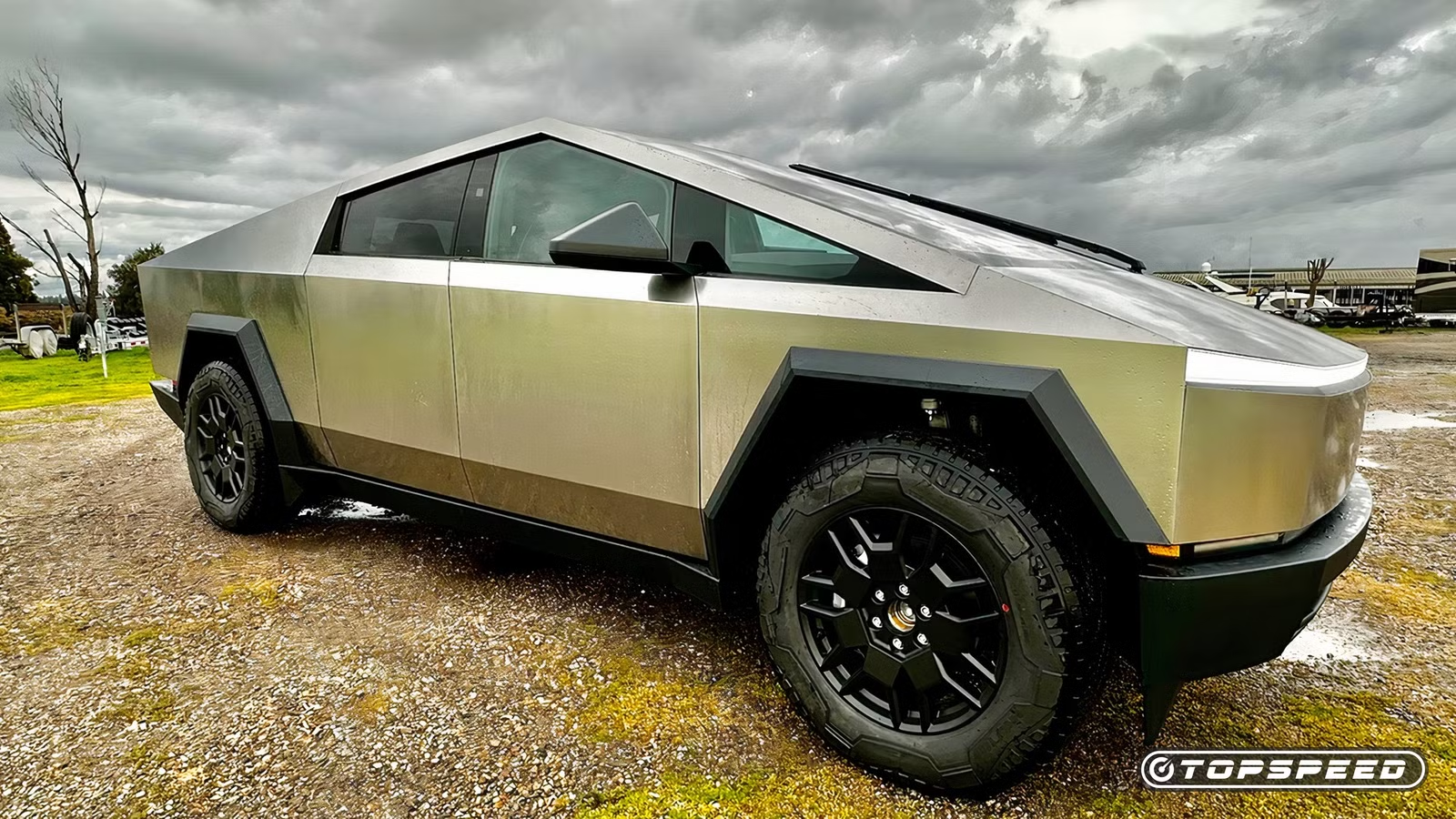
Elon Musk announced late Friday night that Tesla will wind down Cybertruck production at Gigafactory Texas around the middle of 2027, freeing up floor space for the company’s Cybercab robotaxi. It’s a quiet end for a truck that launched in November 2019 with shattered-glass demos and promises of 250,000 units a year, then spent the last two years sliding toward irrelevance.

The numbers tell the real story Musk’s post didn’t. Tesla doesn’t break out Cybertruck sales separately, but industry estimates put 2026 deliveries at just 11,586 units through three quarters, down sharply from the year before. That’s roughly a tenth of the production capacity Tesla built for the truck. The Cybercab explanation papers over a simpler fact: Tesla built a quarter-million-unit factory line for a vehicle the market never wanted in those numbers.
A Sales Trajectory That Never Recovered
Cybertruck deliveries began in late 2023 after years of delays, and the truck posted an early burst of interest. Tesla sold 38,965 Cybertrucks in 2024, according to estimates, but that number fell to 20,237 in 2025, a drop of nearly half. Through the first three quarters of 2026, deliveries totaled just 11,586. Pricing didn’t help the cause. Musk promised a $39,900 base model back in 2019; by the time the truck actually reached showrooms, prices had climbed into six figures for top trims, and Tesla has since raised prices twice this year, pushing the Cyberbeast past $102,000. Orders for the cheaper Dual-Motor All-Wheel Drive variant have also been paused.

Robots Are Already Displacing Tesla’s Lineup

This isn’t the first product Tesla has sacrificed for its robotics push. Earlier in 2026, the company discontinued the Model S sedan and Model X SUV, both built at its California plant, to make room for production of Optimus, its humanoid robot. The pattern is now unmistakable: when a legacy product underperforms, Tesla frames the cut as capacity reallocation toward the autonomous and robotic future Musk has staked the company’s valuation on, rather than acknowledging a sales shortfall directly.
What Musk Left Unsaid

Musk didn’t say whether Cybertruck production would move to another facility or end outright. Tesla’s lead engineer on the truck, Wes Morrill, offered a reframe instead, posting that the Cybertruck “was an incredible technology development platform and lives on through Cybercab.” When a fan called the news the “end of an era,” Musk replied, “True, but the Cybertruck fleet will be around for a long time” — a comment that reads more like damage control than a product roadmap, since no relocation plan has been announced.
One detail undercuts the idea that Cybertruck demand ever stood on its own: SpaceX, also run by Musk, was the truck’s largest single buyer, spending $131 million on units at retail price last year alone. Meanwhile, Tesla’s bigger autonomy bet is drawing its own scrutiny. The NHTSA opened a formal investigation into the Cybercab in September, and this past week it emerged that Tesla asked regulators to keep its sworn responses to that investigation entirely confidential.
The Cybertruck’s exit marks the clearest signal yet of where Tesla thinks its future actually is: not in expanding the vehicle lineup, but in narrowing it to clear room for robotaxis and robots that haven’t yet proven they can turn a profit either. Whether that bet pays off is still an open question, but Tesla is no longer hedging on trucks to find out.

Related posts



Latest Post


No Comments