
VW Group could put Chinese tech architecture in 75% of European cars
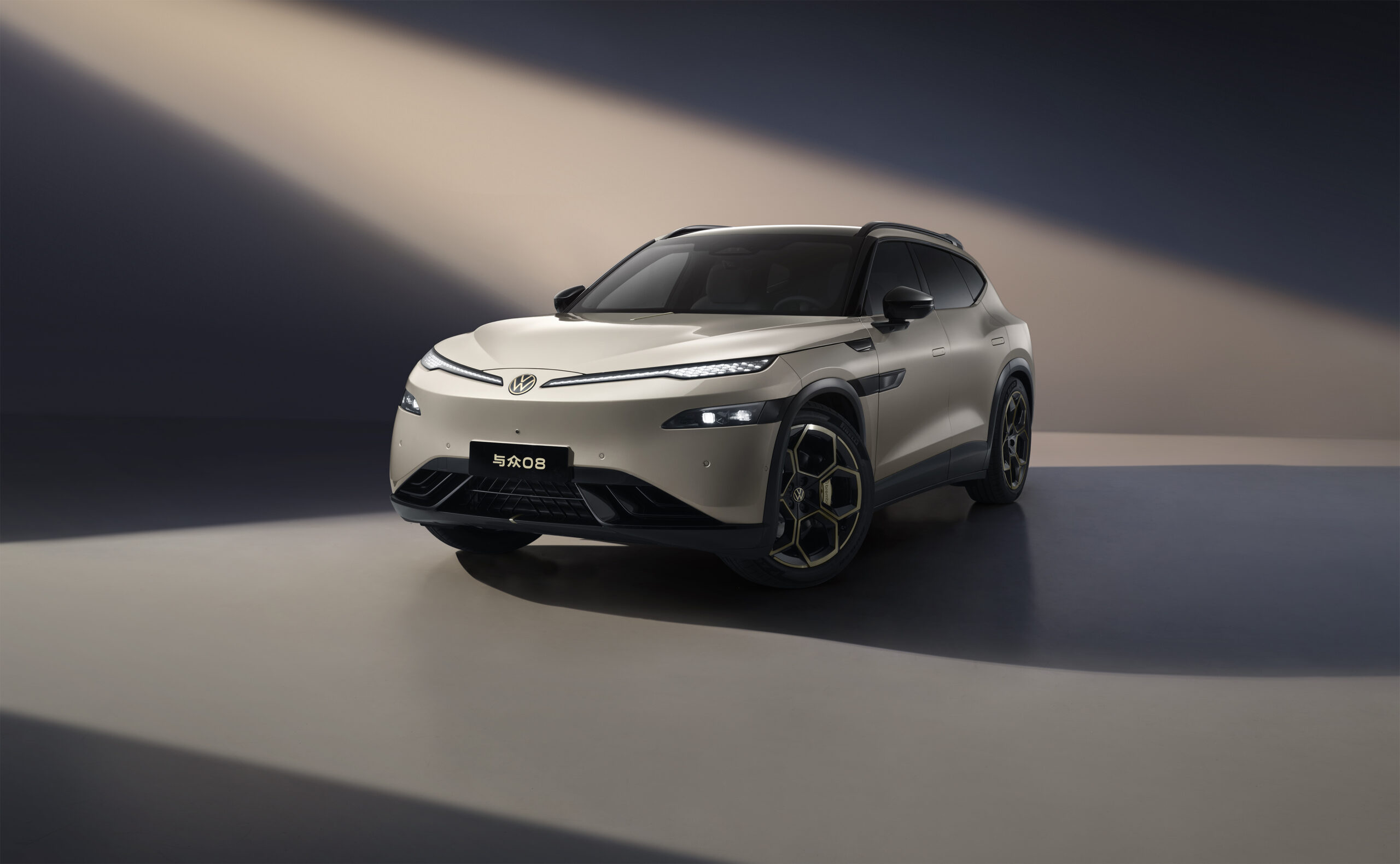
The Volkswagen Group is evaluating whether to deploy its China-developed electrical architecture across the majority of its future European core models – a move that could dramatically reshape the German firm’s global engineering strategy as it battles to cut costs.
According to internal discussions confirmed by Group board member and Volkswagen brand CEO Thomas Schäfer, up to 75% of the firm’s core models in Europe (spanning the Volkswagen, Cupra and Skoda brands) could eventually use the China Electronic Architecture (CEA).

Developed in partnership with Chinese EV maker Xpeng, the CEA is described as “a zonal electronic and electrical architecture with high-performance central computing” that “enables software-driven innovations across all powertrain types”, from combustion to hybrid to electric.
The proposal signals a significant shift in Volkswagen’s regional strategy. The firm currently relies on the CEA for the Chinese market and is developing a separate RVT electrical architecture with American EV maker Rivian for the western hemisphere.
The RVT architecture is set to make its debut on the production version of the ID Every1, Volkswagen’s upcoming electric successor to the entry-level Up, which is tentatively scheduled to be unveiled at the 2027 Munich motor show.

Speaking on the Volkswagen Group’s evolving software strategy at an event in China, Schäfer outlined the complex geopolitical and financial calculations driving the debate.
“First of all, it’s clear that we need two architectures ultimately. One is CEA and one is RVT for the western hemisphere,” he said.
“We are at the moment looking at the most cost-efficient way of making it ready for the volume segment and we are investigating if the CEA is indeed the right one for Europe.
“The minute you start making either software architectures of vehicles ready for Europe, complying with all the European rules and regulations, you make the cars more expensive here in China or you create a variant.
“So there’s always a debate: do you make the cars here in the most competitive market more uncompetitive in order to have an advantage in Europe or is it better to stay separate?”
While Schäfer cautioned that no final decision has been made, he indicated a strong leaning towards adopting the Chinese technology for the European market.
“I believe it will be,” he said, “but we’re not finished yet.”
The potential pivot comes as Europe’s largest car maker faces intense pressure to lower EV development costs and fend off fierce competition from Chinese rivals.

Related posts


Latest Post


No Comments