
The Adventure Bike You’d Want If You Could Only Own One Motorcycle
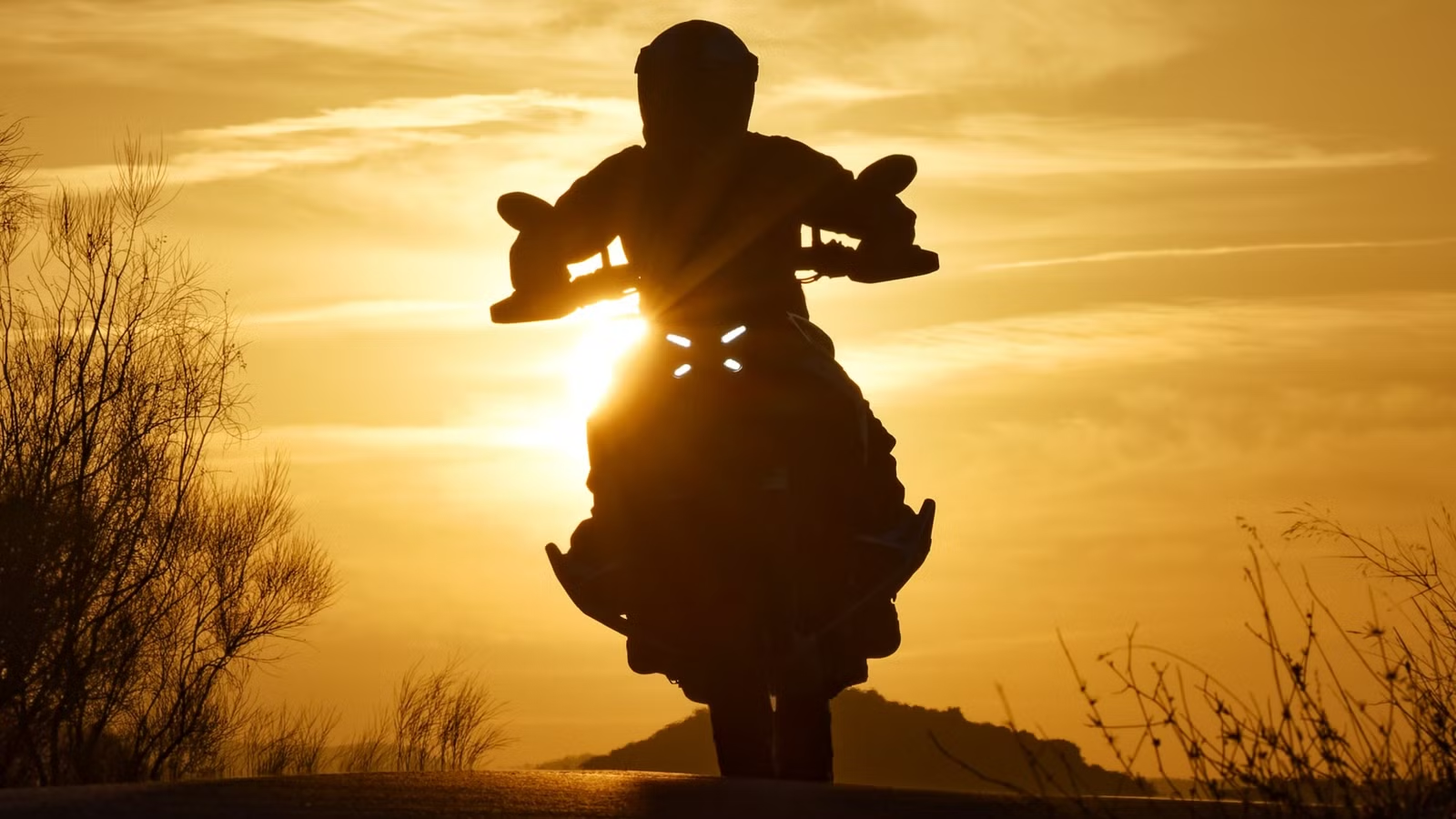
Motorcycle marketing often promotes the belief that true versatility demands a multi-bike stable: a light thumper for trails, a midweight twin for commuting, and a heavy rig for touring. Managing multiple registrations, insurance policies, and maintenance schedules turns that ideal into an expensive burden. Yet experienced riders know extreme specialization often sacrifices basic usability. Sitting quietly at the premium end of the adventure segment is an understated machine commanding a devoted following because it handles city traffic, cross-country highway miles, and backcountry gravel roads with equal poise, rendering a multi-bike garage unnecessary.
Specialized Off-Road Wheel Geometry Compromises Real-World Highway Control

The modern full-size adventure segment suffers from a chronic identity crisis, caught between desert-rally marketing and the tarmac reality of long-distance touring. To substantiate rugged off-road claims, manufacturers fit long-travel suspension and 21-inch front wheels to platforms that spend 90 percent of their lives on pavement.
On asphalt, that geometry yields vague front-end feedback, slow steering, and crosswind instability. Simultaneously, taming these tall chassis at highway speeds requires massive curb weight and invasive electronics to mask the packaging compromises. Riders face an irritating trade-off: machines too detached and wallowy for spirited cornering, yet far too heavy and intimidating for low-speed technical terrain.
Trading Tall Roll Centers For Low-Slung Opposed Pistons And Straight-Line Poise

Solving this dynamic compromise requires packaging substantial displacement without saddling the motorcycle with a tall roll center. This top-heavy pendulum effect is common to tall V-twin and inline adventure platforms. Placing heavy components as close to the ground as possible dramatically reduces turning inertia.

BMW mastered this specific physical balance through its horizontally opposed boxer twin. By positioning the cylinder heads flat and low, BMW drops the core mass beneath knee level, delivering light low-speed handling, straight-line stability on washboard roads, and fatigue-free highway touring.
Bavaria Answers The One-Bike Garage Question With The R 1300 GS

The BMW R 1300 GS gets respect everywhere it goes, because it proves why smart mechanical packaging eliminates the need for separate motorcycles. Combining an ultra-compact boxer layout, under-engine gearbox, and low-slung chassis,it replaces three specialized machines with one integrated platform all for a base price of $20,395.
With the optional automatic gearbox, the price climbs to over $25,000, but it manages to be fatigue-free even in traffic. It strips away top-heavy intimidation while retaining all-day touring comfort, establishing itself as the definitive one-bike solution.
Variable Intake Lift And 145 Horses Deliver Seamless Roll-On Pull Across The Revs

BMW’s 1,300 cc engine looks to be on track to be one of the greats, with its German engineering mastery. It has liquid cooling, four valves per cylinder, BMW ShiftCam on the intake valves that changes both timing and lift, an extremely short stroke design, and a high compression ratio of 13.3:1.
It generates 145 horsepower at 7,750 RPM and 110 pound-feet at 6,500 RPM, and it has a six-speed manual transmission with an assist-and-slipper clutch. A two-way quickshifter is optional, but the automated manual gearbox (also optional) is what makes it a genuinely great all-round motorcycle. A driveshaft sends power to the rear wheel, which is great for low-maintenance operation.
Ground-Up Monocoque Rigidity And Decoupled Steering Redefine All-Road Agility

Unlike its competitors, the R 1300 GS uses a unique chassis. This is a pressed-steel monocoque that uses the engine as a stressed member, and the subframe is bolted on. It uses the Evo Telelever wishbone front suspension that offers 7.5 inches of travel and the Paralever central monoshock at the rear with a single-sided swingarm that offers 7.9 inches of travel.
Twin 310 mm floating brake discs do duty up front with radial four-piston calipers, and a 285 mm disc at the rear with a two-piston floating caliper. These are mounted on alloy wheels — a 19-inch up front and a 17-inch at the rear — with radial tubeless tires. Tubeless wire-spoke rims are an option, as are more aggressive off-road tires, so you can configure it to feel right at home on any road.
A Loaded Tech Suite And Active Ride Height Tame Intimidating Proportions

The R 1300 GS is a full-size adventure motorcycle, at 87.1 inches long and 39.4 inches wide with a 59.8-inch wheelbase. The seat height is standard for the class at 33.4 inches, and it has a wet weight of 523 pounds. The fuel tank is pretty large even on the regular GS at five gallons; however, with the weight placed down low, it feels a lot lighter than it is, and this feeling is helped by the electronic suspension as well.
The features list is packed with everything you would possibly want from a luxury adventure motorcycle. Hop on, and the first thing you will see is the 6.5-inch TFT instrument cluster that has Bluetooth and navigation as standard. The electronics are comprehensive as well, with a by-wire throttle and a six-axis IMU. Of course, you get ride modes, cornering ABS, traction control, and engine brake control, but the optional extras are what truly elevate the big GS.
The optional DSA suspension offers automatic damping control, and you can change the rear preload at the touch of a button. This is also one of the few motorcycles that self-levels with a change in load, and the electronic suspension automatically lowers at walking speeds to make it easier to handle.
BMW offers different packages for these upgrades, so you will have to check whether the feature you want is available as a standalone one or as part of a package. Be aware that the packages are quite expensive and will easily drive the price to nearly $30,000. This is the sole thing that works against the GS: the high acquisition cost. Otherwise, it eliminates the need for another motorcycle.
Source: BMW USA

Related posts


Latest Post


No Comments