
The 15,506-Car Dodge Muscle Car That Can Hide Something Rarer Than A Hemi
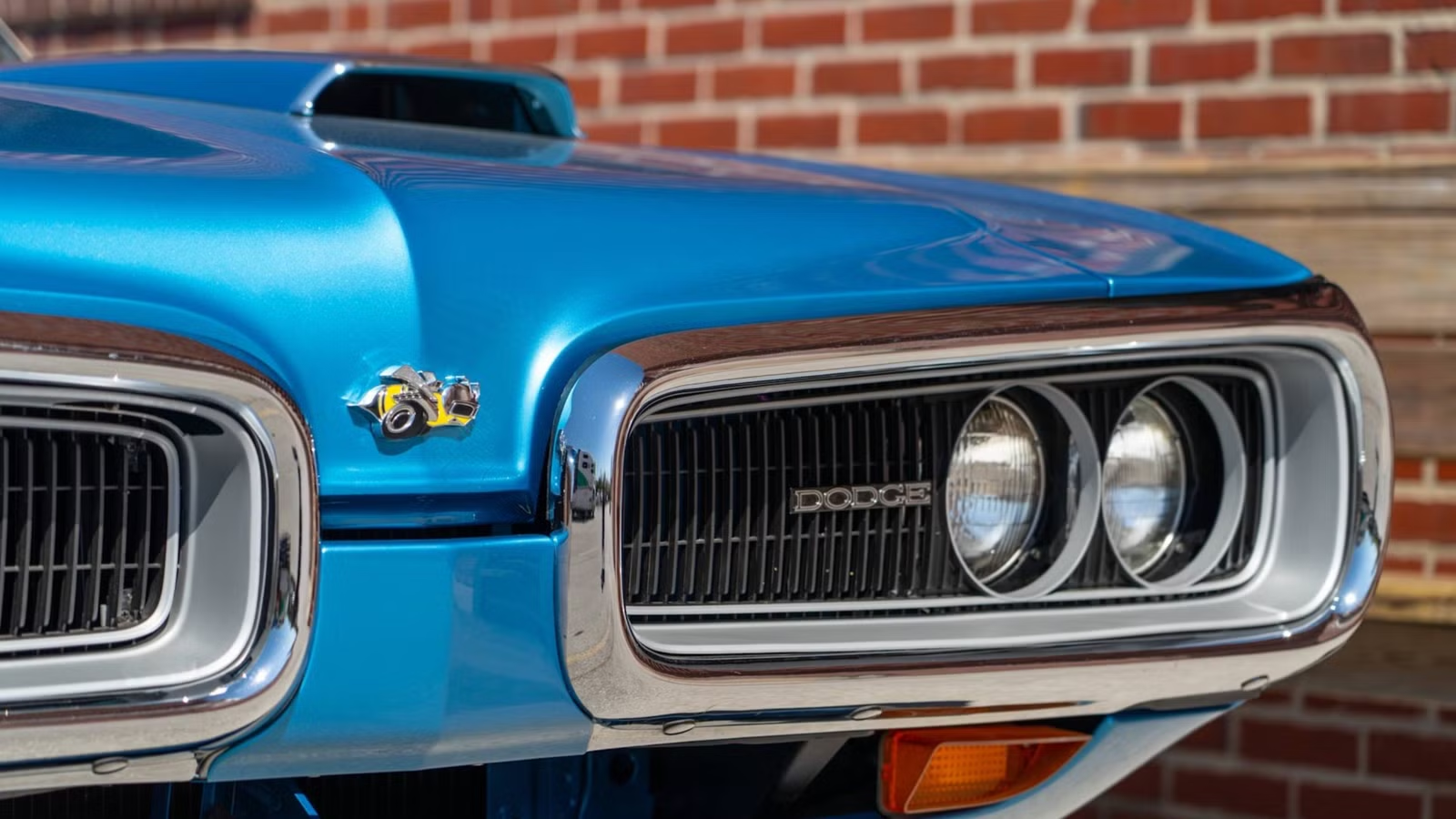
Detroit’s muscle-car wars produced some legendary machines, but few engines carry the same reputation as the 426 Hemi. Its racing heritage, enormous power, and limited production have made it a legend. But horsepower doesn’t always tell the whole story—some classic Mopars hide their rarest features in places that have little to do with what’s under the hood.
Why The Hemi Became The Ultimate Mopar Rarity Benchmark

By 1970, Detroit’s horsepower race was nearing its peak. Chevrolet had the Chevelle SS 454, Ford offered the Torino Cobra, and Pontiac kept pushing its GTO. Dodge and Plymouth were equally determined to win over performance enthusiasts, offering powerful big-block V8s in relatively affordable midsize cars. Buyers could choose from increasingly aggressive styling, bigger engines, and specialized performance packages designed for the drag strip.
For Mopar collectors, the 426 Hemi remained the ultimate prize. Its NASCAR roots, hemispherical combustion chambers, and official 425-horsepower rating gave it legendary status. Its high original price also limited production, making surviving factory Hemi cars particularly desirable. Decades later, documented examples still attract serious attention at collector-car auctions. However, some lesser-known factory specifications appeared in even smaller numbers.
Dodge Built 15,506 Super Bees For 1970, But They Weren’t All Alike


That car is the 1970 Dodge Super Bee, a performance-oriented version of the midsize Coronet. Introduced in 1968, the Super Bee followed Plymouth’s Road Runner formula by delivering serious big-block performance without unnecessary luxury. By 1970, it featured distinctive twin-loop front styling, bold graphics, and an optional Ramcharger hood. Its unusual front bumper looked like Dodge had given the car a permanent scowl.
Dodge built 15,506 Super Bees for 1970, including 14,137 shipped to U.S. dealers. The pillarless WM23 hardtop accounted for 11,540 cars, including 10,507 U.S. shipments. The WM21 coupe featured a fixed center pillar and framed side windows. Dodge produced just 3,966 coupes, with 3,630 shipped to American dealers. That makes the coupe considerably less common than the sleeker hardtop.
Most Super Bees received the standard 335-horsepower 383 Magnum V8. Buyers seeking more performance could order the 390-horsepower 440 Six Pack or the legendary 425-horsepower 426 Hemi. According to production records, just 42 Hemi-powered Super Bees emerged in 1970, including exports. Only 36 reached U.S. dealers, establishing the benchmark for the car’s most famous rarity.
How The Super Bee’s Build Sheet Turns Production Numbers Into Rarity

A Super Bee’s factory identity goes well beyond its engine, though. Its broadcast sheet, commonly called the build sheet, records the equipment installed during production. The fender tag provides another valuable reference through stamped option codes. Together with the VIN, these documents help collectors verify original engines, transmissions, body styles, and paint colors. They also separate genuine factory specifications from modifications made decades later.
The 440 Six Pack provides the first major rarity filter. Dodge installed this engine in only 1,268 Super Bees, approximately 8.2% of total production. Its three two-barrel carburetors delivered 390 horsepower and 490 lb-ft of torque, matching the Hemi’s advertised peak torque. The Six Pack offered tremendous performance without the Hemi’s substantial price premium, making it an attractive choice for serious drivers.
However, engine production tells only part of the story. Two Six Pack cars could have very different rarity depending on their transmissions and body styles. Collectors can narrow production populations further by examining documented combinations of factory options, a process often called option stacking. Still, individual option totals don’t automatically establish exact figures for every possible combination. Reliable production breakdowns matter more than speculation.
Body Styles And Transmissions Shrink The Super Bee’s Rarity Pool Even Further

The 1,268 Six Pack examples become more interesting when separated by body style and transmission. Dodge built 599 four-speed hardtops and 473 automatic hardtops. The pillared coupe accounted for just 109 four-speed examples and 87 automatics. That means Dodge produced more than five four-speed Six Pack hardtops for every similarly equipped coupe. With only 196 Six Pack coupes built, the WM21 body style becomes an important piece of the rarity puzzle.
Even the standard 383 Magnum produced an unexpected rarity. Its relatively unpopular three-speed manual transmission appeared in only 284 hardtops and 385 coupes shipped to U.S. dealers. Those 669 cars demonstrate that uncommon factory equipment doesn’t always mean the most prestigious or powerful option. Sometimes rarity simply reflects what buyers didn’t want. The three-speed gearbox wasn’t exactly the first choice for drivers chasing quarter-mile times.

More exciting equipment could shrink the population below Hemi numbers. Dodge offered the $235.65 A34 Super Trac Pack, featuring a heavy-duty Dana 60 rear axle with aggressive 4.10:1 gears. These helped deliver stronger acceleration, although highway cruising wasn’t their specialty. According to sources, just 25 V-code Six Pack examples received a particular 4.10-geared Super Trac Pack configuration. That reported figure falls below the 42-car Hemi population, although it represents a specific published rarity claim rather than a comprehensive factory production breakdown.
These 1970 Super Bee Paint Colors Were Rarer Than The Hemi

The biggest surprise comes from something that doesn’t improve horsepower at all. Dodge offered several eye-catching High Impact colors in 1970, including Panther Pink and Green Go. According to figures reported by different sources, just 39 Super Bees received FM3 Panther Pink paint, while only 32 wore FJ6 Green Go. Both colors were reportedly rarer than the 42 Hemi-equipped cars. Green Go was especially scarce, with ten fewer examples than the legendary engine.
That creates a fascinating possibility. Even a standard 383-powered Super Bee wearing documented original Panther Pink or Green Go paint can belong to a factory color population smaller than the Hemi group. Such cars won’t automatically command higher prices than genuine Hemi examples, since engine pedigree, condition, and originality still influence collector demand. However, they demonstrate why factory paperwork matters so much. Anyone can repaint a classic Dodge in a wild color, but finding one that originally left the factory that way is an entirely different story.
Source: Dodge

Related posts



Latest Post


No Comments