
Audi’s New SQ9 Finally Fixes The Q7’s Biggest Weakness
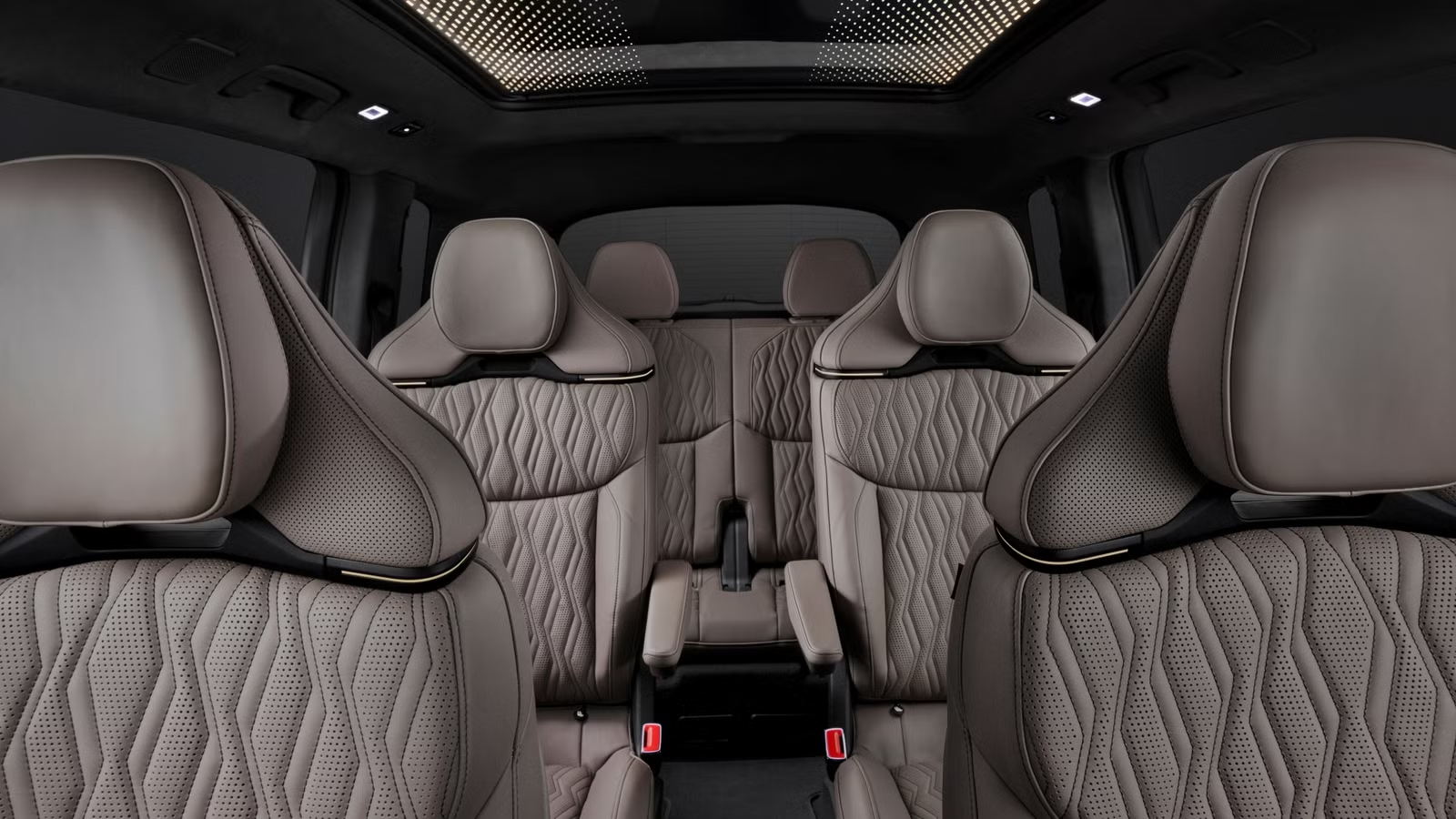
Audi just admitted what Q7 owners have grumbled about for years: the third row was never big enough. The 2027 Audi SQ9 and its Q9 sibling arrive as the brand’s first genuine full-size three-row SUVs, built specifically to compete with the Mercedes-Benz GLS and BMW X7 in a segment where Audi has quietly been getting beat for a decade.

Early automotive reviews suggest the SQ9 finally delivers the space American buyers expect from a full-size luxury SUV, addressing the Q7’s cramped third row and limited cargo capacity.
The SQ9 Finally Gives Audi A Real Full-Size Contender
The numbers tell the story. Audi’s new SQ9 makes 591 horsepower and 590 lb-ft of torque from its twin-turbo V-8, hits 60 mph in 3.8 seconds, and can tow up to 7,700 pounds. A new Quattro all-wheel-drive setup adds rear-axle steering and more aggressive torque vectoring, giving the SUV sharper reflexes than its size suggests.

That size is the real headline, though. The SQ9 stretches close to Chevy Tahoe length, with a wheelbase and overall footprint well beyond the outgoing Q7. Early driving impressions suggest the SQ9 delivers a quiet, composed highway ride while remaining surprisingly manageable in parking lots, qualities that matter to families shopping for a three-row SUV. For buyers who need a usable third row and real cargo space behind it, rather than the Q7’s compromise setup, that’s the whole pitch.
The Base Q9 Still Gets A Real V-6, Not An Afterthought

Not every buyer needs 591 horsepower to haul the family. The standard Q9 pairs with a 429-hp V-6, giving shoppers a lower entry point into the same American-size footprint without stepping up to SQ9 pricing. Both models share the same cabin architecture, with the SQ9 adding the performance-tuned chassis hardware and the bigger brakes.
Audi has been explicit that this pairing was engineered for the US market specifically, not adapted from a European-first design. That’s a notable shift for a brand that has historically built its three-row offering around Q7 architecture shared globally, then let American buyers make do with whatever space was left over.
What This Means For Q7 Owners Eyeing An Upgrade

Mercedes and BMW have had the full-size three-row luxury segment largely to themselves for years, and Audi’s late entry is as much a concession as it is a product launch. For current Q7 owners who’ve made peace with squeezing kids into a tight third row or leaving the seats folded for cargo space, the SQ9 and Q9 represent the upgrade Audi should have offered years ago.
The emphasis on cabin comfort, interior space, and everyday maneuverability suggests Audi designed the SQ9 to work as a family SUV without sacrificing its performance credentials.

Related posts




Latest Post


No Comments