
The Best LS Engine For Budget Street Builds
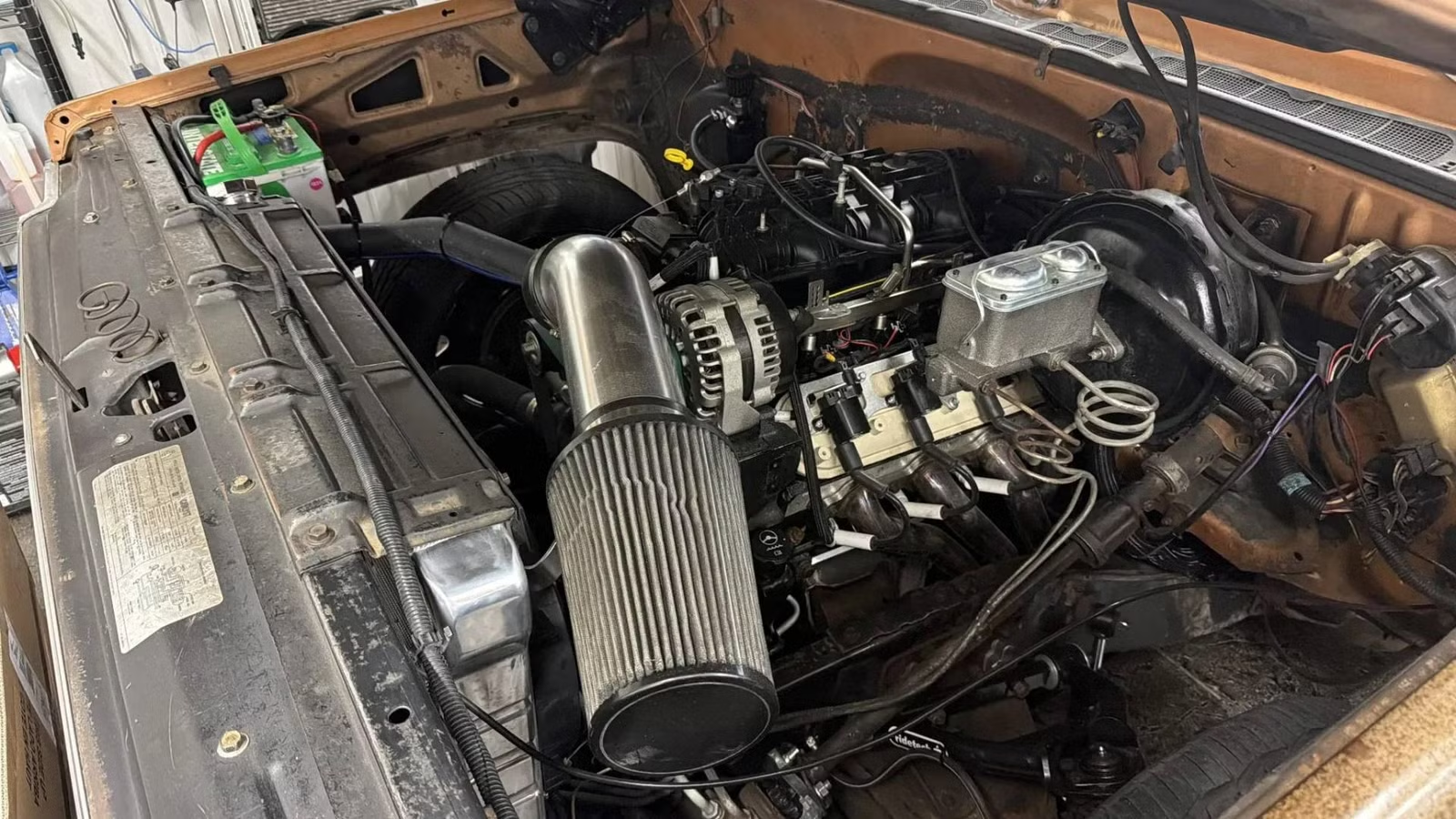
So you want to build a GM LS-swap, do you? Well, get in line, pal, there are roughly several thousand people all across the globe who want to do the same thing. At the very least, don’t get it in your head that what you’re doing is novel. With that said, you absolutely don’t have to break the bank to make an LS build humble almost anything it meets at a stoplight. In fact, we can tell you exactly what to avoid and what to pick from the LS family to keep that budget intact.
Step 1: Avoid the Aluminum Block Monsters

When you think of the LS engine, you usually think of a pristine aluminum LS1, LS2, LS3, LS6, or an LS7 crate motor pulled straight from a Corvette, a Camaro, or even more unusual vehicles like an Impala SS. Everyone dreams of dropping one of these lightweight beauties into their project car, but let us just temper your expectation just a bit. The chances of finding a working aluminum LS in your average junkyard are about the same as finding a cache of diamonds in the middle of a landfill.
Even when Corvettes, CTS-Vs, and Camaros do find their way into the scrap pile, either the owner or someone in the yard has already pulled the motor and sold it on eBay at a markup. Want to buy an LS crate motor from scratch? Be prepared to shell out at least $7 grand So, before you smash your laptop or phone screen looking at prices, it’s best to simply set the aluminum block Gen-IIIs aside and look elsewhere. With that said, there are other ways to get what is essentially the same LS architecture, with just one or two sacrifices made to bring the price well down into reasonable territory. Better still, you usually don’t even have to leave the junkyard.
The Gen-III Iron Blocks: LS Engines in all But Name


You wouldn’t know it just from looking at an order sheet, but General Motors inadvertently gave its heavy-duty commercial trucks and fleet vans a cast-iron engine architecture nearly identical to the aluminum LS. These workhorses feature a deeply skirted block and six bolt main bearing caps capable of surviving decades of absolute abuse.
Aside from the casting material used to make the bare block, the rest of the engine shares almost everything with its aluminum counterpart. We’re talking about the same crankshafts, camshafts, heads, timing components, connecting rods, and even the same motor mount positions. Yet, to an untrained pair of eyes, a fully dressed-up iron block LS engine is pretty indistinguishable from the real thing.
course, there are one or two drawbacks. One of the items on an iron block that isn’t identical to an aluminum LS is the oil pan, which sits lower to the ground. That might make clearance a real pain, depending on the recipient car. Also, there is the issue of weight — as much as 100 to 200 lbs more compared to an aluminum block — which might adversely affect handling. Still, it’s a small price to pay, especially when you consider the upsides of what we think is the best budget LS platform.
The LQ4: A Boost King Hidden in a Van

There was, of course, the temptation to put the LQ9 V8 in this spot. Both the LQ9 and our hero of the day, the LQ4, share the exact same 6.0 liters of displacement. The real difference between the two lies in the pistons and the price tag. The LQ9 was reserved for premium haulers like the Cadillac Escalade and the Silverado SS, using flat top pistons to bump the compression ratio up to 10.4:1.
That makes it a fantastic naturally aspirated engine, but it also makes it a rare find that commands a high price from owners and scrap yard operators who know what they have and won’t negotiate on price. If you want the true, undisputed engine for budget-friendly street performance, you need to seek out the LQ4 found in Silverado and Sierra 1500s, as well as Express and Savana vans.
Because they were built in massive, fleet-level quantities, you can routinely drag a complete LQ4 out of the dirt for a fraction of the cost of its premium cousin. Right now on eBay, there are over two dozen LQ4s on the market selling for little more than $1,000, and even less in some cases. For high-mileage examples, you might even be able to snag one for $500. Once you do, you can add a supercharger or twin-turbo kit from any number of vendors, along with larger injectors and an aggressive camshaft, and suddenly have supercar levels of power at your disposal.
Hurting Feelings on a Budget
Aluminum block purists will always scoff at the idea of dropping a heavy iron van motor into a nimble sports car or classic muscle chassis. They will endlessly complain about weight distribution and compromised handling dynamics right up until you pull ahead by two car lengths. The LQ4 remains the undisputed king of budget speed.
It proves once and for all that you do not need trust fund money or a pristine crate engine to completely humiliate expensive exotics at the next stoplight. Better still, there is a plethora of performance companies whose sole purpose is making the process of swapping an LS into a classic platform as painless and seamless as possible.
Every step of the process, from teardown to the build, the mounting, wiring, and maintenance, is detailed and field-tested by hundreds, if not thousands, of people online. It is about as foolproof as an engine swap could possibly be. But if you know anything at all about restomods, you know well that an easy ride is never a guarantee.
Source: Chevrolet, Bring a Trailer, eBay, PSI Conversion

Related posts





Latest Post


No Comments