
GM’s ‘Eyes-Off’ Driving Goal Is A Step Beyond Super Cruise, Here’s The Gap It Still Has To Close
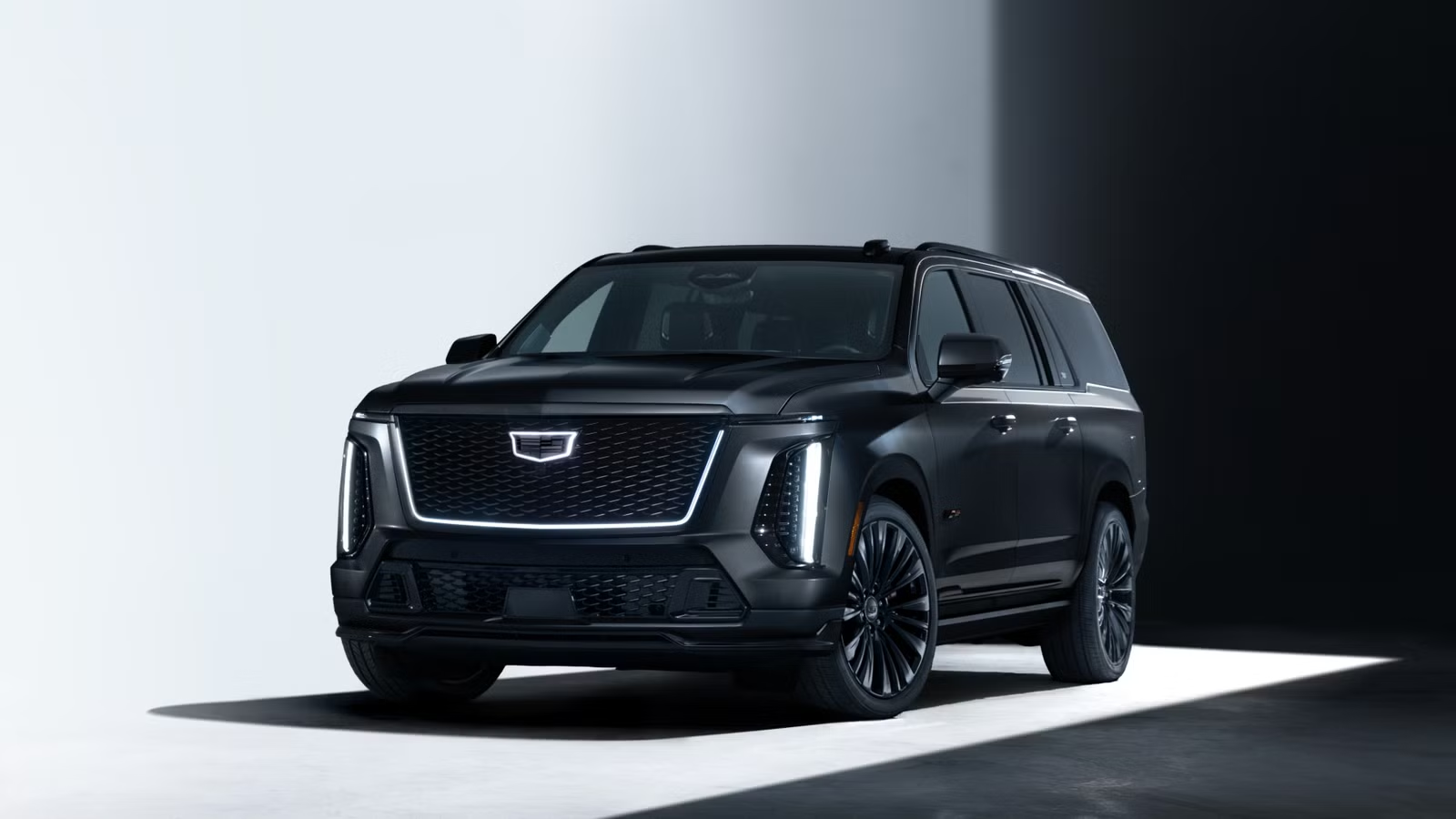
General Motors (GM) confirmed this week that it wants to bring “eyes-off” autonomous driving to its pickup trucks and full-size SUVs, not just the low-volume Cadillac Escalade IQ it first promised the tech for last year. That’s a far bigger jump than it sounds. Super Cruise, GM’s decade-old hands-free system, still requires the driver to watch the road, with an eye-tracking camera making sure you don’t look away. Eyes-off means the car is legally driving itself while you read a book or answer emails.

Sterling Anderson, GM’s chief product officer, wants autonomous highway driving to give motorists their time back. The Escalade IQ is targeting 2028, but GM hasn’t confirmed when its trucks and SUVs will follow.
Why Hands-Free Isn’t The Same As Eyes-Off
Super Cruise, Ford BlueCruise, and Tesla’s Full Self-Driving (Supervised) all fall under SAE Level 2, meaning the driver remains legally and functionally responsible for the vehicle at all times, even with hands off the wheel. The system steers and manages speed, but a camera watches your eyes to confirm you’re still paying attention, and it’ll nag or disengage if you look away too long.
GM’s Level 3 system combines lidar, high-resolution radar, and cameras to cross-check its surroundings. Backup steering, braking, and power systems are designed to maintain safety if components fail.
Why Trucks And SUVs Are The Testbed, Not Sedans

GM is steering eyes-off tech toward its highest-volume, highest-margin vehicles rather than a flagship sedan, and that’s a deliberate business call as much as a technical one. Full-size trucks and SUVs rack up heavy highway mileage, the exact driving environment where Level 3 systems perform best, since sensors don’t need to track fast-changing urban scenarios at low speed. GM also has real-world data behind it: Super Cruise has already logged more than a billion hands-free miles, and the automaker says it’s mapped over 600,000 miles of U.S. roads to support the expanded system.
GM also sees a revenue opportunity. It expects Super Cruise adoption across its truck lineup to increase four- to fivefold, potentially generating more subscription income.
The Gaps GM Still Has To Close

GM isn’t alone in chasing this bar, and the competitive field shows how unsettled the technology and regulation still are. Mercedes-Benz already sells a Level 3 system, Drive Pilot, but it only operates below 40 mph in heavy traffic, and only in parts of California and Nevada where the automaker has regulatory approval and detailed road mapping. Volvo is partnering with Nvidia’s Hyperion platform to target eyes-off, “mind-off” driving by 2030, while Rivian is beta-testing its own Level 2++ Point to Point system with select owners ahead of a planned Level 4 push in 2028. Tesla’s FSD, by contrast, remains Level 2 and vision-only, with no current path to eyes-off.
Regulation remains a hurdle. Level 3 driving requires state-by-state approvals in the U.S., meaning GM must navigate different rules before owners can legally look away. GM’s 2028 Escalade IQ target is approaching, but its broader rollout remains uncertain. Regulatory approvals could prove just as challenging as the technology itself.

Related posts




Latest Post




No Comments