
A 900cc Yamaha Hits A Sweet Spot Nobody Talks About But Not Without Sacrifice
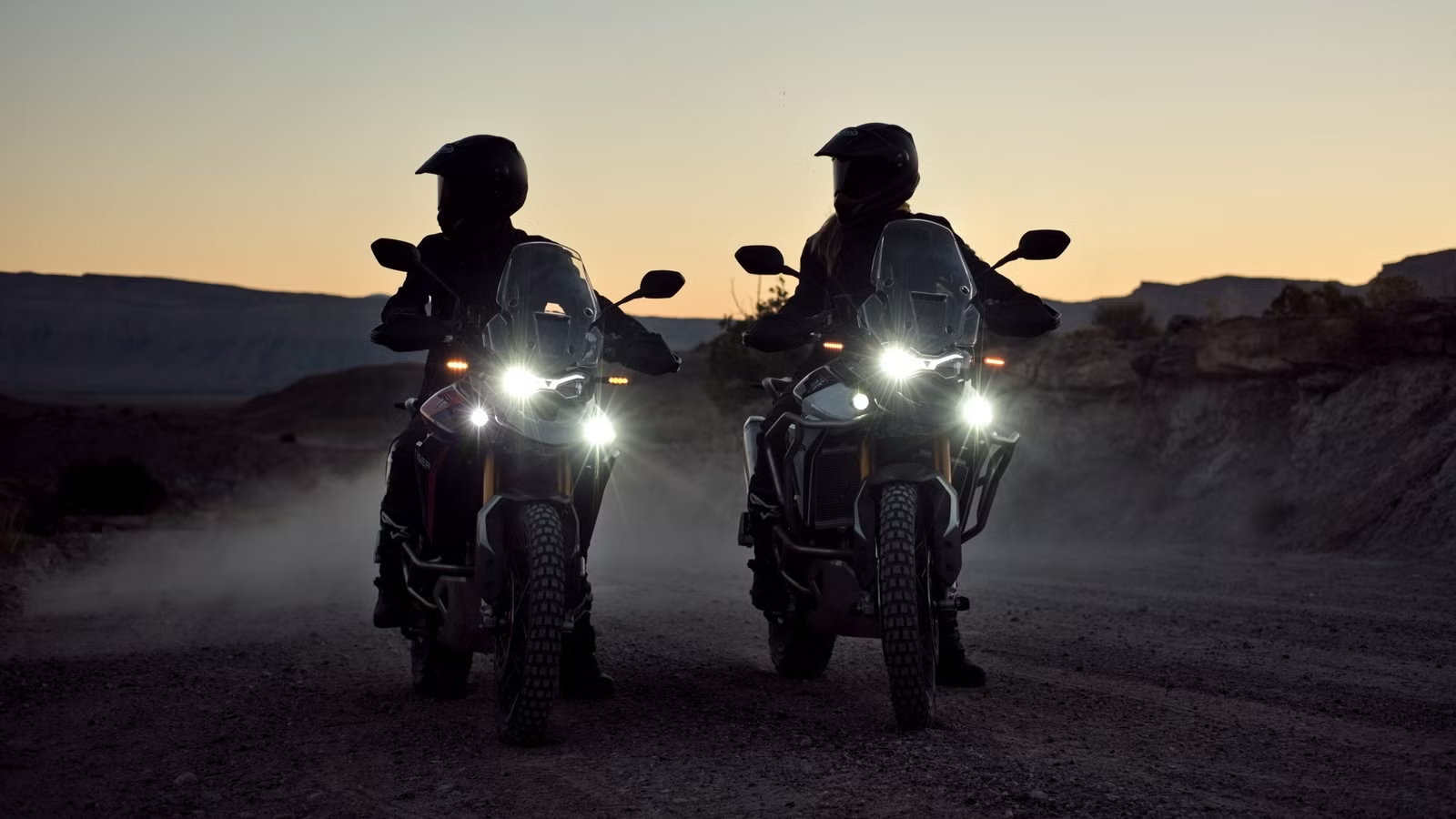
Somewhere on the displacement chart, a motorcycle stops feeling like a compromise. Smaller machines can ask riders to work for their pace, while the biggest ones often carry far more performance than most roads will ever allow. Between the two sits a class that rarely gets the spotlight, yet it handles pretty much everything a rider throws at it. Spend a few hundred miles on one, and it becomes clear why the people who own them rarely feel the need to swap. That sweet spot might be the 900cc mark.
Why 900cc Might Be The Sweet Spot In The Market
Motorcycles around 900cc rarely make headlines. The smaller middleweights get praised for being affordable and approachable, while the liter-class machines grab attention with their spec-sheet bragging rights. As a result, the displacement in between tends to get overlooked.However, that is exactly where the balance sits. A 900 cc engine has enough muscle to make highway passing a non-event, yet it is rarely so powerful that a rider has to hold back on every twist of the throttle.

Weight usually stays reasonable too, which makes the motorcycle easier to move around in parking lots, tight corners, and traffic. There is a practical side as well. Tires, service and insurance typically cost less than they do on the big-bore alternatives, and the motorcycle can still cover a weekday commute and a cross-state tour without feeling out of its depth. In other words, it does a lot of things well rather than one thing brilliantly, and one particular adventure motorcycle shows what that looks like once the pavement ends.
The Triumph Tiger 900 Rally Pro Is Where The Sweet Spot Turns Adventurous


That motorcycle is the Triumph Tiger 900 Rally Pro, the most off-road-focused version of the midweight Tiger range. It rides on a 21-inch front and 17-inch rear spoked wheel set, which is the first clue that gravel and dirt were part of the plan. The seat height is adjustable between 33.86 inches and 34.65 inches, and the motorcycle weighs 503 lb wet. Even so, the 5.28 gal fuel tank and upright riding position make it just as happy covering long highway days as it is climbing a fire road.
Despite all that, the Rally Pro variant of the Tiger 900 seldom gets the attention it deserves. Bigger adventure motorcycles hog the spotlight, and several more popular rivals sit lower on the price list. Instead of trying to win a spec-sheet war, it aims to give riders real off-road ability in a package that still behaves on the highway, and that is the heart of its sweet spot.
A Triple That Pulls Hard Without Ever Feeling Excessive

The 888 cc inline-three makes 108 hp at 9,500 rpm and 66.4 lb-ft of torque at 6,850 rpm. On paper, those numbers sit comfortably below what a liter-class motorcycle offers. In reality, the engine delivers its output in a smooth, linear way that keeps the power usable at almost any speed. Overtaking a truck on a two-lane highway takes a quick twist of the throttle, and the same engine stays calm and tractable on a slippery trail.
The engine also has plenty of character. Its T-plane crank gives it a distinct, slightly uneven growl, and the six-speed gearbox with a quickshifter keeps the rider in the meat of the power with very little effort. Fuel economy is rated at 45 mpg, and with a 5.28 gal tank, that works out to roughly 235 miles between fill-ups, which is a godsend on long stretches of empty road.
Suspension Travel That Makes Bad Roads Disappear

Long-travel suspension is a big part of what makes the Rally Pro so capable. Showa supplies a 45 mm upside-down fork with 9.4 inches of travel, along with a rear shock offering 9.1 inches. The fork is adjustable for preload, compression, and rebound, while the shock allows preload and rebound changes. Washboard gravel, broken asphalt and the occasional pothole simply get absorbed, and the rider is left to enjoy the scenery rather than brace for the next hit. Even on pavement, that plush, unbothered ride is a welcome change from stiffer, sportier setups.
Underneath it all sits a tubular steel trellis frame with a bolt-on aluminum rear subframe and a cast aluminum swingarm. The setup is said to give the motorcycle a stable, predictable feel on loose surfaces. Braking comes from twin 320 mm front discs with Brembo Stylema monobloc calipers, and the cornering ABS can be switched off for off-road use. However, the wet weight and the tall seat are worth noting, as shorter riders may find the motorcycle a handful at a standstill.
High-End Features Round Out The Package

The cockpit is dominated by a 7-inch color TFT display with My Triumph connectivity, which keeps navigation and phone functions within easy reach. Six riding modes, including Off-Road and Off-Road Pro, let the rider tailor the throttle response and traction control to the terrain. Add the quickshifter and cornering traction control, and the Rally Pro offers a long list of technology that does not feel gimmicky. Each feature is there to make the ride easier, whether that means switching to a gentler throttle map on a wet day or turning the ABS off before a dirt climb.
Is The Tiger’s Price Tag Really A Deal-Breaker?

The elephant in the room is the price. The Tiger 900 Rally Pro carries an MSRP of $17,595, which is a hefty amount for a 900cc motorcycle. That figure is the main reason the motorcycle gets passed over in favor of cheaper, more popular alternatives. However, the price makes more sense when the equipment list is taken into account. Long-travel Showa suspension, Brembo brakes, a TFT display, six riding modes, and a quickshifter all come as standard, rather than as extras that quietly add up at the dealership.
For riders who will actually venture off the pavement, that is a lot of motorcycle for the money. Few riders ever look at a long-term cost sheet when shopping, yet a motorcycle that gets used for commuting, touring and weekend gravel runs spreads its upfront price across far more miles and far more varied rides than a machine that only does one job. Even so, buyers who spend most of their time on tarmac may not need everything the Rally Pro offers. For everyone else, the real question is not whether the motorcycle is expensive, but whether the sweet spot of the 900cc class has ever looked this capable.
Source: Triumph

Related posts


Latest Post




No Comments