
The Sports Coupe That Makes 200,000 Miles Feel Completely Normal
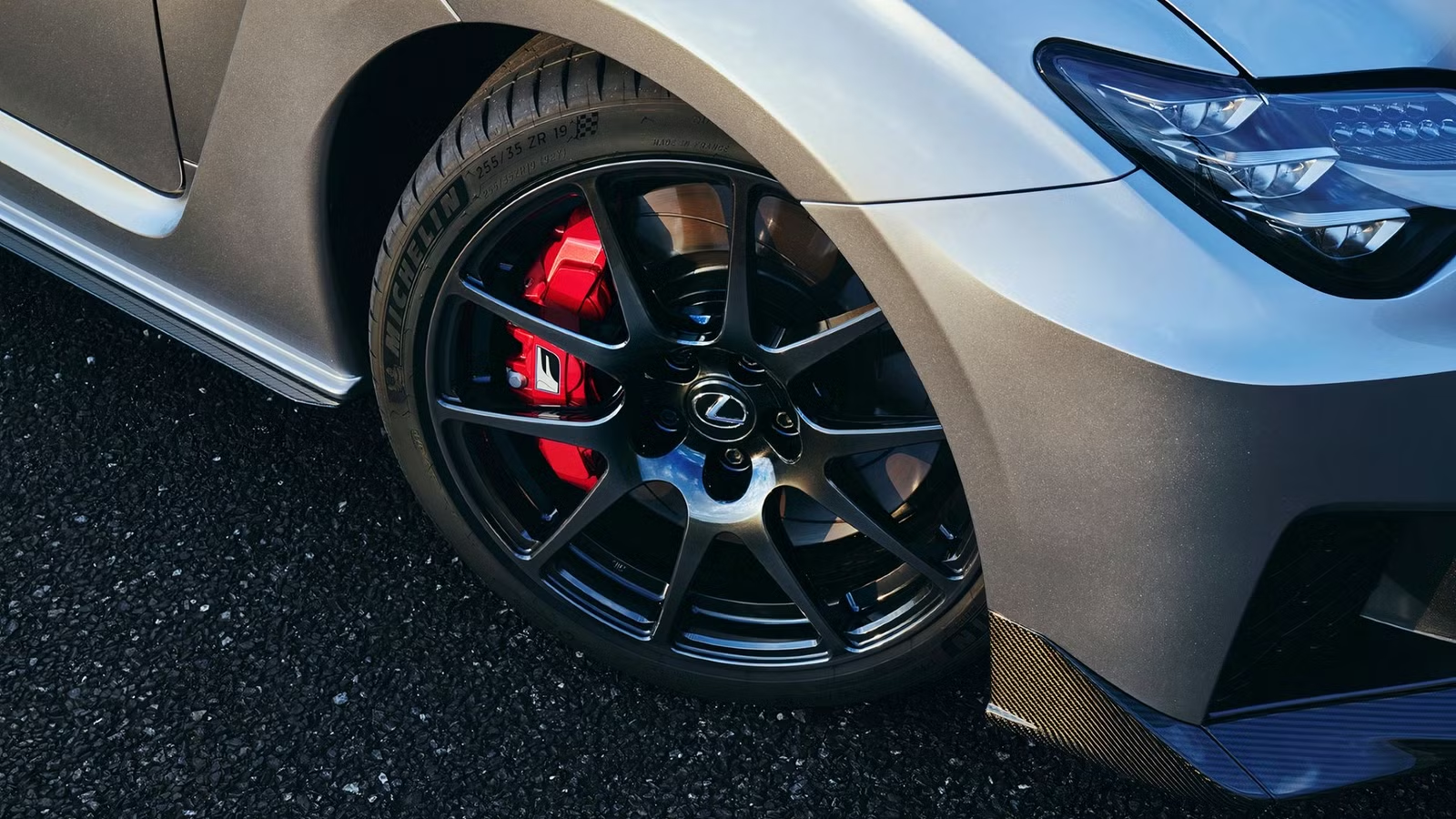
Sports coupes are rarely praised for what happens after the excitement fades. Buyers expect sharp handling, quick acceleration, and eye-catching styling, not an odometer that keeps climbing well past 200,000 miles. Yet one overlooked coupe has quietly built a reputation for doing exactly that. Backed by proven engineering and a reliability record that rivals many family sedans, it challenges the idea that owning a sports car means sacrificing long-term dependability.
Why Some Sports Coupes Keep Going Long After Others Wear Out
What Separates A Long-Term Sports Coupe From A Short-Term Thrill

Sports cars require much more care and maintenance than sedans and SUVs, especially if you drive your sports car fast and hard on a regular basis. Taking a car to the track adds another level to the care required. Most sports cars are built to last about 100,000 miles without extremely high maintenance and repairs, as long as they aren’t wrecked or driven beyond their capabilities, but once this mile marker is reached, things often go downhill.
Modern sports cars have every type of engineering possible to force more power, lighten the load, and deliver more speed and thrills. Unfortunately, added features like turbochargers, superchargers, and hybrid systems create increased pain points for sports car drivers. Additionally, automakers often pair these features with smaller engines to create lighter cars, but that does not always translate into a long-term sports coupe that can last up to 200,000 miles.

A few sports coupes remain dependable for decades because they rely on engineering simplicity, not forced power and performance. Conservative tuning, proven powertrains, and fewer moving parts continue to be the formula for long-term dependability.
Why High Mileage Isn’t Automatically A Red Flag


Sports cars occupy a unique place in the market. Some are driven conservatively and shown off on the road, while others are punished through aggressive driving. These differences can often mean that mileage figures can be tossed aside. A sports car with impeccable maintenance records and high mileage could last much longer than one with lower mileage and questionable maintenance records. In fact, some sports cars earn stronger reputations as mileage climbs, especially those with naturally aspirated engines that have earned their reputations for reliability.
Meet The Lexus RC 350—The Coupe Built To Go The Distance
A Proven V6 Instead Of Chasing Turbocharged Trends

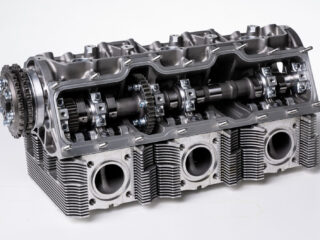
Lexus didn’t accidentally create a reliable sports coupe in the RC 350. This impressive sports coupe is powered by one of the most trusted and utilized V6 engines on the market. The 3.5-liter naturally aspirated 2GR-FKS V6 engine is also found in the previous-generation Toyota Tacoma, Lexus GS 350, Lexus RX 350, and Toyota Highlander.
The 2GR-FKS engine is an evolution from the ultra-reliable 2GR-FE engine family, keeping the trusted architecture while adding advanced technologies. The engine can change from the Otto cycle to the Atkinson cycle on demand. This operation improves fuel economy without changing the engine structure or adding unnecessary forced induction. With fewer failure points, this engine has been known to outlast turbocharged engines, especially when properly maintained.
The Toyota DNA Hidden Beneath The Coupe Body

The engine isn’t the only part of the RC 350 that’s shared with some Toyota models. Lexus and Toyota share many components, especially transmission and drivetrain elements, which translates to lower ownership costs, widespread parts availability, and continued durability. Although the RC 350 has the same engine as a Toyota Tacoma, it’s not tuned the same. Toyota built this engine to be calibrated for higher horsepower in the Lexus sports car, ensuring it won’t feel like you’re driving a truck when behind the wheel.
Why 200,000 Miles Feels Completely Normal
The Components That Rarely Become Ownership Nightmares

Toyota and Lexus have a long history of reliability, even in sports coupes. When the most expensive and important components of a vehicle rarely break down or have issues, that leads to greater ownership satisfaction. The heart of the Lexus RC 350 is made of components that continually prove their worth, including the engine, transmission, cooling system, and suspension.
The Lexus RC 350 has an average annual maintenance and repair cost of $721, and by comparison, a BMW 428i costs an average of $1,229. That is a significant difference that adds up over several years. The BMW 428i has a turbocharged four-cylinder engine under the hood, and doesn’t have the same parts availability that drivers enjoy for the Lexus RC 350.
Maintenance Habits That Help Owners Reach Extraordinary Mileage

The 2GR-FKS engine is not perfect or quite as high on the durability list as its predecessor, the 2GR-FE, but with proper maintenance it can last a long time. This means ensuring that fluids are changed on time, the cooling system is maintained, and preventive maintenance is performed rather than reactive repairs. Consistent maintenance over time results in a vehicle that continues to drive right and performs well even when the odometer reaches 200,000 miles or more.
How The RC 350 Stacks Up Against Rival Sports Coupes
More Reliable Than Many German Alternatives

Although there isn’t a definitive study putting the Lexus RC 350 against its German rivals for reliability, the evidence points in that direction. In addition to having one of the most dependable engines on the market, Lexus ranks at the top of the J.D. Power Vehicle Dependability Study, while Mercedes-Benz and Audi are below the industry standard. BMW is above the industry standard in this study, but still much further down the list than Lexus.
Additionally, the average annual repair and maintenance costs for the Audi A5 and Mercedes-Benz C-Class are higher than the RC 350. The Audi A5 costs an average of $798 per year, which isn’t significantly higher than the Lexus, but the Mercedes-Benz C-Class Coupe reaches $877 annually.

While no major study directly compares sports coupes over 200,000 miles, the RC 350 benefits from Lexus’ industry-leading dependability reputation. Lexus consistently ranks ahead of BMW, Audi, and Mercedes-Benz in J.D. Power’s Vehicle Dependability Study, while RepairPal also reports lower repair costs and higher overall reliability than comparable German luxury brands.
Why It Appeals To Buyers Planning To Keep A Car Forever

If you want a short-term sports car to take to the track for a few years, the Lexus RC 350 isn’t the car for you. On the other hand, if you’re looking for a car that looks great every day and provides impressive daily driver comfort while maintaining the sporty feeling, the RC 350 is an excellent choice. You could enjoy road trips, daily commutes, and simple aimless cruising in this Lexus. The excellent build quality and lower repair anxiety make it easy to get comfortable and enjoy the ride.
If you want the benefits of the venerated engine, you have to choose the RC 350. The Lexus RC 300 models come with a turbocharged four-cylinder engine, which is what you’re trying to avoid. The RC 350 generates 311 horsepower and 280 pound-feet of torque, which is sent to the wheels through an eight-speed automatic transmission. You should be able to find the RC 350 with either RWD or AWD. This power is good enough to reach 60 MPH in 5.6 seconds, which might not beat German rivals, but this is a long-term sports car, not meant for quick thrills.

In addition to strong power and impressive comfort, the RC 350 rewards owners with low depreciation over time. After five years, the RC 350 depreciates only 29 percent, which is as much as some models depreciate in only one year. By comparison, the BMW 4 Series loses 48 percent of its value in the first five years, the Audi A5 loses half its value, and the Mercedes-Benz C-Class loses 46 percent of its value during that time.
The Sports Coupe That Rewards Owners For The Long Haul
Why So Many Owners Stay Loyal To The RC

Once the flash and excitement has worn off, what are you left with in a sports coupe? If that sports coupe is the Lexus RC 350, you have a car that can go the distance and give you the driving pleasure you want for years. This sports coupe delivers excellent owner satisfaction thanks to its reputation for dependability, impressive balance of comfort and engaging driving manners, and low maintenance drama compared to many luxury performance cars.
Is The Lexus RC 350 Still One Of The Best Long-Term Sports Coupe Buys?
If you’re shopping the used market, the sweet spot is typically a well-maintained RC 350 with 60,000 to 100,000 miles. By then, the first owner has absorbed much of the depreciation, yet the car still has plenty of life left thanks to its proven V6 and Toyota-engineered drivetrain.
During your inspection, prioritize a complete service history; verify that routine maintenance, including oil changes, transmission service, coolant, and differential fluid changes, has been performed; and check for uneven tire wear, brake condition, suspension noise, and any signs of accident damage. A pre-purchase inspection by an independent Lexus specialist is money well spent and can uncover issues that aren’t obvious during a test drive. Buy on condition rather than mileage, and an RC 350 with proper care can realistically reward you with many more years, and potentially another 100,000 miles, of dependable ownership.

Not every sports coupe is built for the long haul, but the Lexus RC 350 has earned its reputation the old-fashioned way: by delivering dependable performance year after year. For buyers who want engaging driving dynamics without worrying about six-figure mileage, it’s proof that 200,000 miles doesn’t have to feel like the end of the journey.
Sources: Lexus, RepairPal, J.D. Power, CarEdge, iSeeCars

Related posts


Latest Post


No Comments