
Why Some Of The Best Motorcycle Trips Don’t Require Expensive Touring Bikes

There’s something undeniably appealing about a big, fully equipped touring motorcycle. Massive engines, comfortable seats, spacious luggage, and enough electronics to rival a luxury car make them incredible machines for covering long distances. But motorcycle travel isn’t always about spending endless hours on perfectly paved highways. Sometimes, the most memorable journeys involve unfamiliar back roads, unexpected detours, and surfaces that haven’t seen maintenance in decades. And that’s where spending more money on a motorcycle doesn’t necessarily translate to having a better adventure.
Bigger Touring Motorcycles Aren’t Always Better Travel Companions

There’s a reason motorcycles like the Honda Gold Wing, BMW R 1300 GS Adventure, and Harley-Davidson Road Glide have such dedicated followings. They’re designed to make long-distance riding comfortable, particularly when carrying passengers and luggage. Their powerful engines make highway cruising effortless, while sophisticated suspension systems, wind protection, and extensive touring amenities help reduce fatigue. If your idea of motorcycle travel involves crossing several states on the interstate, these machines are difficult to beat.
But there’s another side to motorcycle travel that doesn’t involve covering hundreds of highway miles every day. Scenic mountain roads, remote countryside routes, and small towns often provide experiences that major highways simply can’t match. The problem is that these destinations aren’t always accessible through pristine pavement. Narrow roads, loose gravel, potholes, and steep inclines introduce challenges that become more intimidating when you’re managing an expensive motorcycle weighing several hundred pounds.
Weight and Complexity Can Limit Where You’re Willing to Go

A large motorcycle’s weight becomes especially noticeable at low speeds, where momentum can no longer help maintain balance. Turning around on an uneven road or maneuvering through loose gravel demands more physical effort and careful planning. Dropping a heavy touring motorcycle also creates a difficult recovery situation, particularly when traveling alone. Even if the bike survives without mechanical damage, lifting it from an awkward position can become an exhausting exercise that brings the day’s adventure to an abrupt halt.

There’s also the financial consideration. Expensive fairings, integrated luggage systems, and sophisticated electronic components can turn a minor tip-over into a costly repair. This doesn’t make premium touring motorcycles unsuitable for adventure, but it can influence the decisions riders make along the way. When you’re constantly thinking about damaging an expensive machine, taking an unfamiliar route becomes less appealing. Sometimes, the biggest limitation isn’t what the motorcycle can handle, but what its owner is comfortable attempting.
Middleweight Motorcycles Can Make Bigger Adventures Possible

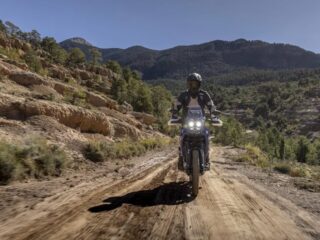
Consider the 2026 Honda NX500. With a starting MSRP of $6,899, this approachable adventure motorcycle offers an appealing alternative to larger, more expensive touring machines. Its 471cc liquid-cooled parallel-twin engine uses a dual-overhead-cam, eight-valve design, fuel injection, and a six-speed manual transmission. It’s built to provide enough performance for sustained highway riding while remaining manageable on winding roads and rougher surfaces. Its simplicity is a major part of the appeal.
The NX500 weighs 432 pounds with a full tank of fuel, making it easier to manage than heavyweight touring motorcycles. Its 32.8-inch seat height also makes it approachable for a wider range of riders, while a 4.7-gallon fuel tank provides useful capacity for longer journeys. A 56.8-inch wheelbase, 27-degree rake, 4.3 inches of trail, and 7.1 inches of ground clearance complete a package intended to balance stability with agility. It’s a motorcycle that prioritizes everyday usability without sacrificing the ability to cover serious distances.
You Get Enough Capability to Explore Without the Intimidation Factor

Underneath its adventure styling, the NX500 has hardware suited to varied riding conditions. Its 41mm inverted fork provides 5.9 inches of travel, while the rear shock offers 5.3 inches with adjustable spring preload. Dual 296mm front brake discs and a single 240mm rear disc provide stopping power, with ABS fitted as standard. The motorcycle rolls on 19-inch front and 17-inch rear cast-aluminum wheels wearing 110/80 and 160/60 tires, respectively.
Of course, the NX500 isn’t a hardcore off-road motorcycle. Its street-biased tires, cast wheels, and limited suspension travel compared to dedicated dual-sports make technical trails a poor match for its intended purpose. But that’s precisely why motorcycles like this occupy such an appealing middle ground. They’re comfortable enough for the highway, agile enough for narrow mountain roads, and capable of dealing with occasional rough surfaces. You don’t need extreme off-road capability to enjoy exploring beyond the usual touring routes.
Smaller Motorcycles Can Make Traveling More Enjoyable

There’s something liberating about riding a motorcycle that doesn’t demand constant attention to its size or weight. Smaller machines are easier to maneuver through crowded towns, negotiate tight parking spaces, and turn around when a road unexpectedly ends. They also encourage a different approach to travel, where maintaining high cruising speeds becomes less important than enjoying the surroundings. A lightweight motorcycle with modest horsepower can make an ordinary stretch of winding pavement entertaining without requiring excessive speed.
Naturally, there are compromises. Smaller engines work harder at highway speeds, lighter motorcycles are more susceptible to strong crosswinds, and compact dimensions can limit passenger comfort and luggage capacity. Riders planning extended two-up journeys across interstate highways will appreciate the advantages of dedicated touring machines. But for solo travelers who prefer mixing highways with scenic secondary roads, those compromises are often worth accepting. The best choice ultimately depends on the journey rather than the motorcycle’s price or engine size.
Spending Less on the Motorcycle Leaves More Money for the Journey

Another advantage of choosing an affordable motorcycle is having more of your budget available for the actual adventure. A $7,000 motorcycle instead of a $20,000 touring machine represents a difference of $13,000 before considering accessories and ownership expenses. That money can cover countless nights of accommodation, fuel stops, meals, and memorable destinations. Smaller motorcycles can also offer lower running costs through reduced tire expenses, simpler servicing requirements, and better fuel economy, although actual savings depend on the model and how it’s ridden.
More importantly, owning an approachable motorcycle can encourage riders to travel more frequently. Weekend trips become easier to justify, spontaneous detours become less intimidating, and exploring unfamiliar places becomes part of the enjoyment rather than a logistical challenge. Premium touring motorcycles absolutely have their place, particularly for riders who prioritize highway comfort and long-distance convenience. But the greatest motorcycle adventures aren’t determined by engine displacement, technology, or purchase price. Sometimes, the best travel companion is simply the bike that gives you the confidence to keep exploring.
Source: Various Manufacturers

Related posts


Latest Post



No Comments