
The Hidden Gem Motorcycle Riders Wish They Bought Earlier
Some motorcycles become icons because they’re fast, loud, or expensive. Others earn their reputation years after production ends, when owners realize they accidentally let one of the greats slip through their fingers. Those are the machines that quietly transform from showroom curiosities into bikes everyone suddenly wishes they’d bought while they still could.

The funny thing is that these motorcycles rarely dominate sales charts. They aren’t always the most powerful, the most technologically advanced, or the most aggressively marketed. Instead, they succeed at something that’s much harder to quantify. They make every ride memorable, every glance over your shoulder worthwhile, and every owner reluctant to ever let go.
The Best Motorcycles Aren’t Always The Ones That Sell Like Hotcakes
The motorcycle industry loves measurable victories. Bigger horsepower numbers, faster lap times, taller suspension travel, and electronics packed with enough acronyms to fill a brochure all make for impressive headlines. Sales figures often reward those motorcycles, too. Yet history has shown that popularity and greatness aren’t always the same thing. Many of the bikes that became legends didn’t necessarily set the sales charts on fire.


Instead, they built loyal followings through character rather than specifications. Years later, they’re remembered because they offered something genuinely different, not because they were objectively the fastest option sitting in a dealership. Riders don’t usually reminisce about spec sheets. They remember the motorcycles that made them take the scenic route home, sparked conversations at gas stations, or left them smiling every time they opened the garage. That’s the kind of reputation no marketing campaign can manufacture, and it’s often why overlooked motorcycles age far better than yesterday’s performance benchmark.
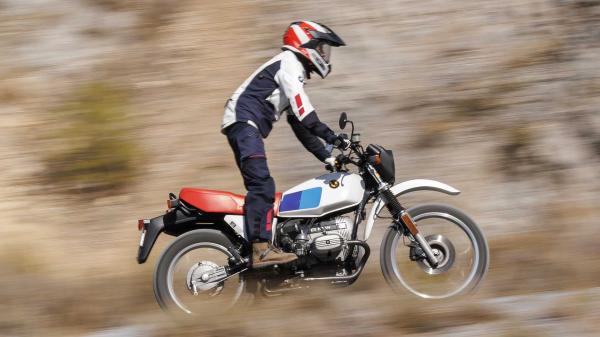
10 Most Collectible Motorcycles From The 70s And 80s
There are desirable motorcycles in this list that have single-handedly started a whole new segment!
Many Modern Motorcycles Keep Chasing Performance Instead Of Personality

Today’s motorcycles have become astonishingly capable. Even middleweight machines produce performance that would’ve embarrassed superbikes from a couple of decades ago. Electronics smooth out mistakes, suspension keeps improving, and engines continue making more power while meeting increasingly strict emissions standards.
But as motorcycles become more refined, many begin to deliver remarkably similar experiences. They’re faster than ever, yet they can also become a little predictable, leaving riders searching for something with a stronger emotional connection. The irony is that very few riders spend every weekend chasing lap records or wringing out every last horsepower. Most simply want a motorcycle that communicates with them, rewards smooth inputs, and delivers enough excitement to make even a routine commute worth looking forward to.
Everyday Enjoyment Might Matter More Than Horsepower

For plenty of enthusiasts, the perfect motorcycle isn’t the one with the highest top speed. It’s the bike that turns an ordinary coffee run into the highlight of the day. It’s responsive without being intimidating, beautiful without trying too hard, and engaging even when you’re nowhere near a racetrack. That’s also why motorcycles with strong identities tend to age so gracefully.
Their appeal isn’t tied to having the latest electronics package or the biggest engine in the segment. Instead, they’re remembered for the way they combine styling, ergonomics, engine character, and handling into something greater than the sum of their parts. Even years later, they remain just as satisfying because the qualities that made them enjoyable were never dependent on being the newest thing on the showroom floor.
The Triumph Thruxton 1200 Is The One That Got Away

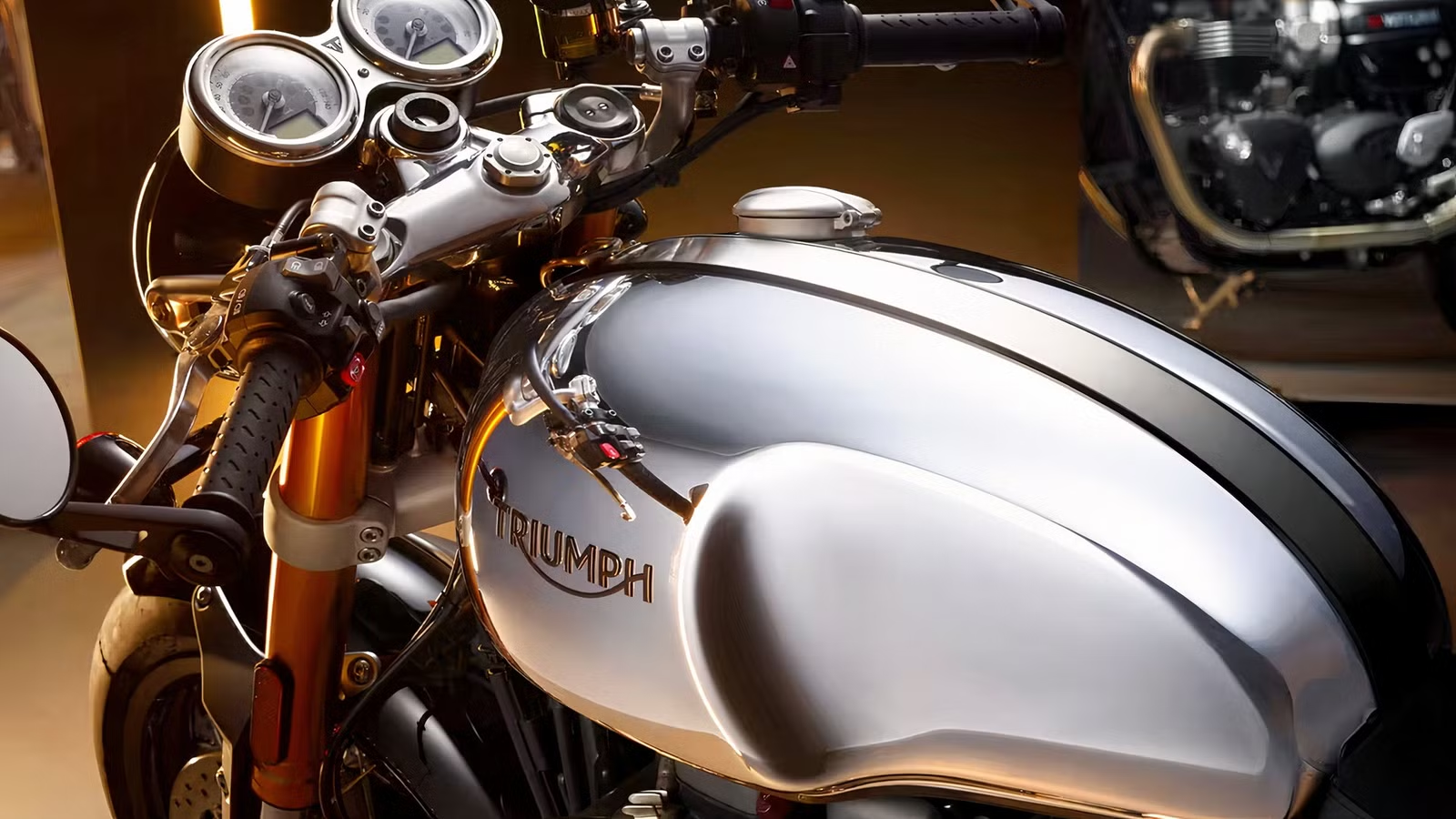
If there’s one motorcycle that perfectly embodies that philosophy, it’s the Triumph Thruxton 1200. By the time production came to an end, riders had finally started recognizing just how special it really was. Unfortunately, that realization arrived just as the opportunity to buy a brand-new one disappeared. The Thruxton 1200 wasn’t merely another retro motorcycle wearing vintage styling cues. It managed to blend classic British café racer proportions with genuinely modern performance.
Instead of forcing riders to choose between nostalgia and capability, it delivered both in a package that remained surprisingly practical for real-world riding. Timing also played a role in why this motorcycle slipped under so many buyers’ radars. Adventure bikes were dominating sales, naked bikes were getting faster every year, and fully-faired sports bikes still carried plenty of showroom appeal. A premium café racer occupied a niche that didn’t make obvious financial sense on paper, but that’s exactly what makes it stand out today. It wasn’t built to chase trends. It was built to satisfy a very specific kind of rider, and it did that exceptionally well.
This Perfected The Modern Cafe Racer Formula

Power came from Triumph’s 1,200cc liquid-cooled parallel twin with a 270-degree crank, producing 103 horsepower and 83 pound-feet of torque through a six-speed transmission with a slip-and-assist clutch. That broad torque curve meant effortless acceleration almost anywhere in the rev range instead of demanding constant downshifts.

The rest of the motorcycle matched the engine’s capability. On the RS variant, fully adjustable Showa Big Piston Forks worked alongside premium Öhlins twin rear shocks, while Brembo monoblock calipers squeezed twin 310 mm front discs. Lightweight aluminum wheels, Metzeler tires, cornering ABS, traction control, three riding modes, cruise control, and a wet weight of roughly 465 pounds completed a package that was every bit as modern as it looked classic.
|
Frame |
Tubular steel cradle frame |
|
Suspension |
43 mm fully adjustable Showa Big Piston Fork (front) / Fully adjustable Öhlins twin piggyback reservoir shocks (rear) |
|
Wheels and Tires |
Front: 17-inch x 3.50-inch / 120/70 ZR17 | Rear: 17-inch x 5.00-inch / 160/60 ZR17 |
|
Brakes |
Front: Dual 310 mm discs with Brembo M50 four-piston radial monoblocks • Rear: Single 220 mm disc with Brembo two-piston caliper |
|
Wet Weight |
Around 465 pounds |
Bonneville Roots, Racey DNA

Although the Thruxton carried unmistakable café racer styling, its roots stretched deep into Triumph’s Bonneville family. The sculpted fuel tank, low clip-on handlebars, rear-set foot controls, seat cowl, and minimalist bodywork all paid tribute to the British racers that inspired generations of enthusiasts to modify road bikes for speed and style.
That balance is arguably what separates the Thruxton from so many other retro-inspired motorcycles. Plenty of modern classics look convincing until the road starts getting twisty. The Thruxton never had that problem. It encouraged riders to push harder, brake later, and carry more corner speed without sacrificing the relaxed, mechanical charm that made the Bonneville platform so beloved in the first place. It delivered authenticity without asking owners to tolerate vintage shortcomings.
The Thruxton 1200 RS Is A Classic In The Making
The longer the Thruxton 1200 stays out of production, the more obvious its significance becomes. It represents a moment when manufacturers still invested in motorcycles built around emotion instead of market segmentation. That combination of timeless styling, premium components, and genuinely rewarding performance is becoming increasingly difficult to replace. Modern classics aren’t created overnight. They earn that reputation because owners refuse to sell them, and buyers spend years searching for clean examples. The Thruxton RS has all the ingredients to follow that path, especially as motorcycles continue moving toward ever more specialized niches.
A Motorcycle That’s Truly For Keeps

When it was still available, the Final Edition carried an MSRP of about $17,995. Today, that number has become little more than a historical footnote. Used market listings place clean, low-mileage Thruxton 1200 RS models around the $15,000 mark, while earlier Thruxton 1200 examples can sometimes be found for as low as $7,000, making entry into ownership surprisingly attainable.
Some motorcycles become collectibles because they’re rare. Others become collectibles because people finally realize what they had after it disappeared. The Triumph Thruxton 1200 RS belongs firmly in the second category. It isn’t simply a beautiful motorcycle from another era. It’s a reminder that sometimes the best riding experiences aren’t defined by outright speed or cutting-edge technology, but by the way a machine makes you want to keep riding long after you’ve reached your destination.
Source: Triumph Motorcycles

Related posts

Latest Post


No Comments