
Nissan 350Z vs 370Z: Key Differences, Performance, And Used Market Value
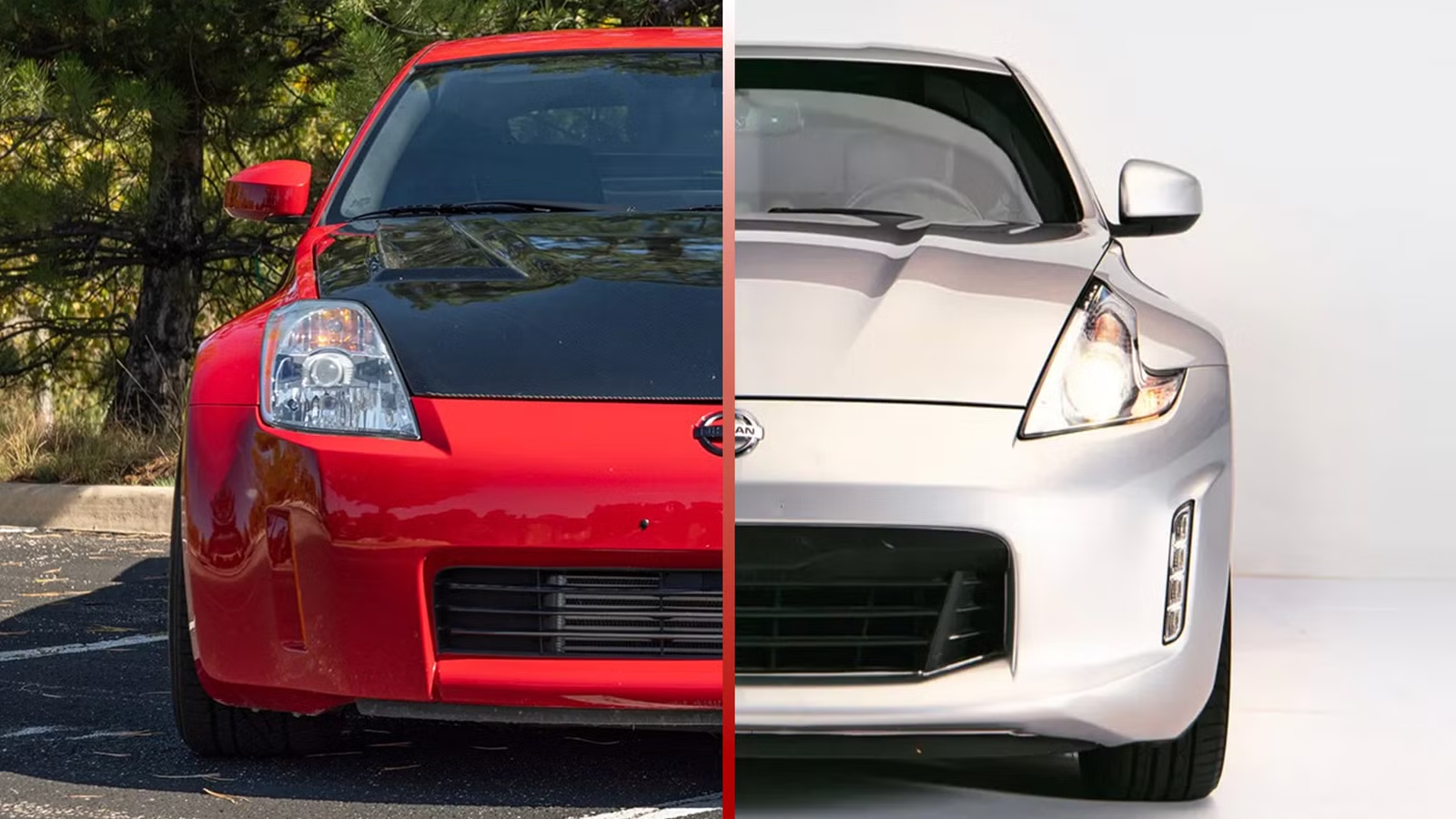
The Z badge on a Nissan has earned serious respect from the tuner crowd in the US. Rear-drive balance, big-rev V6 power, and styling that still turns heads turned both the Nissan 350Z and 370Z into modern classics. Used prices remain friendly for anyone hunting real performance without trading in both kidneys. If you are comparing the 350Z vs 370Z, you are already on the right track for fun.

This breakdown focuses on the key differences in design, engines, performance, comfort, and real-world pricing. We pull current market numbers from enthusiast sources like Classic.com, plus owner experiences from the Nissan forum. By the end, you will know exactly which Z-car makes more sense for your budget, your weekend plans, and your upgrade list.

Nissan 350Z vs 370Z: A Quick Look At How The Z-Car Evolved
The Nissan Z story spans more than 50 years, but the rebirth that matters most to modern enthusiasts started in the early 2000s under the Carlos Ghosn-era revival plan. Nissan needed a halo car that delivered excitement without blowing up pricing, and the 350Z hit that sweet spot when it launched in 2003 on the FM platform. Rear-drive, a punchy V6, and a muscular shape turned it into an instant tuner favorite. The car found fame on screen in movies like Tokyo Drift and in gaming culture, which helped the 350Z build a massive following in the US.
When Nissan rolled out the 370Z in 2009, it refined the formula instead of reinventing it. The wheelbase shrank slightly while the body got wider and stiffer. Power jumped with the new VQ37VHR engine. The interior finally felt like a true sports cockpit instead of a parts-bin special. Nissan kept the value equation strong, which helped the Z remain the brand’s enthusiast icon throughout the 2010s.

Used pricing today paints a clear picture of where each one sits. According to Classic.com, the average 350Z sells for $16,023. Clean 350Z Nismo models run around $24,036. The 370Z averages about $23,163, making the upgrade surprisingly affordable if you want more power and fresher tech. Even the newest models remain cheaper than many current sports cars.
The current Nissan Z (RZ34) borrows core bones from the 370Z and proves how durable the platform remains. That lineage matters if you are comparing 350Z vs 370Z in the real world.
350Z Vs. 370Z Changes:
|
Model |
Production Years |
Platform |
Key Trims |
|---|---|---|---|
|
350Z |
2003 to 2008 |
FM |
Base, Enthusiast, Touring, Track, Grand Touring, Nismo |
|
370Z |
2009 to 2020 |
FM (updated) |
Base, Sport, Touring, Sport Tech, Nismo |
Design Upgrade: Same Formula, Sharper Attitude On The Nissan 370Z


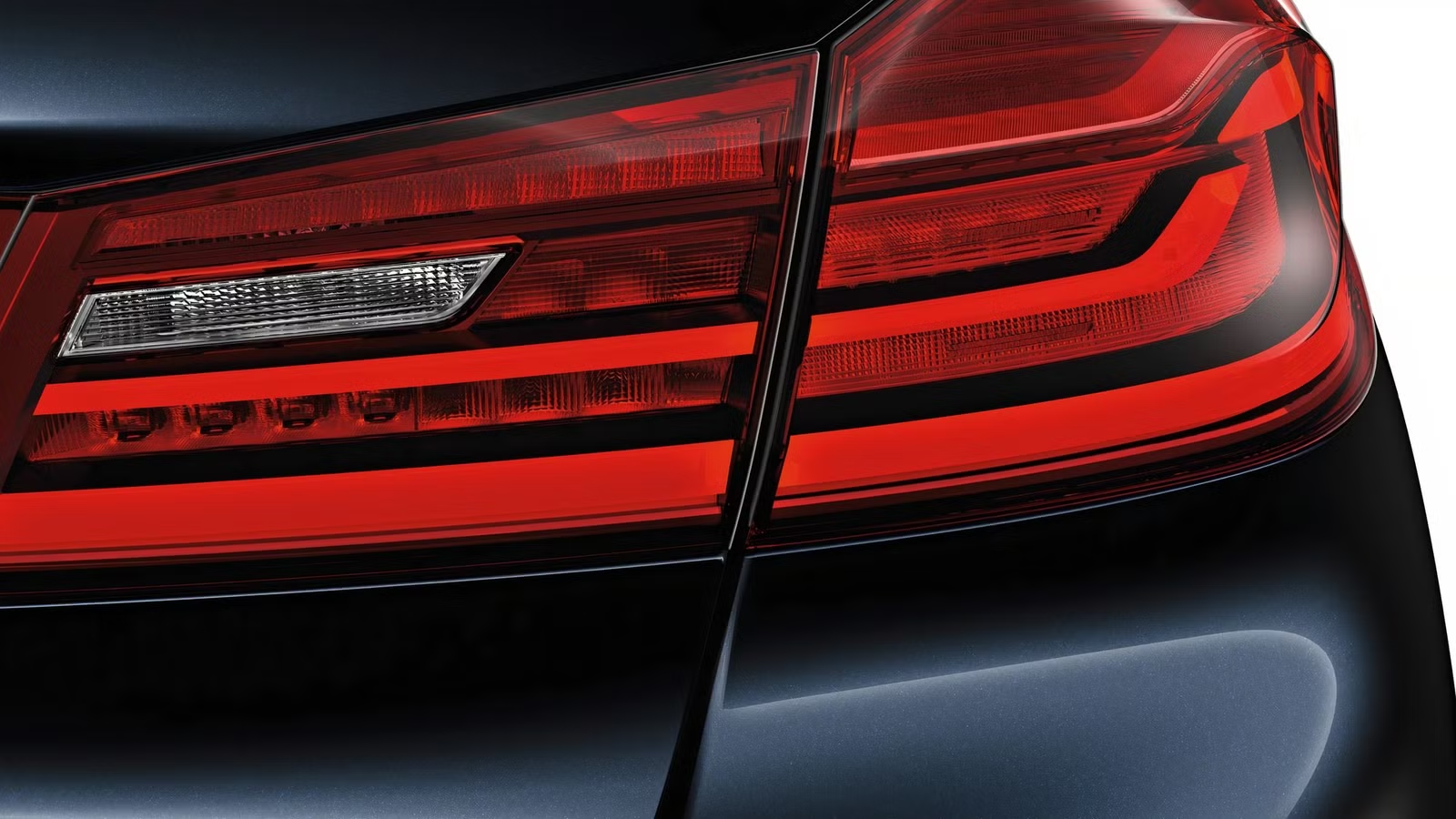
The Nissan 370Z takes the familiar Z-car silhouette and sharpens every edge. Nissan shortened the wheelbase, widened the track, and sculpted a more aggressive stance that makes the earlier 350Z look soft by comparison. The 370Z headlights and taillights adopt a boomerang shape that instantly separates the two generations. Fender vents, creased sheet metal, and a chunkier rear quarter give the car more presence both on the street and car meets.
Spec Sheet Snapshot
|
Spec |
350Z |
370Z |
|---|---|---|
|
Wheelbase |
104.3 in |
100.4 in |
|
Width |
71.5 in |
72.6 in |
|
Height |
51.9 in |
51.8 in |
|
Curb Weight |
Approx 3,300 lbs |
Approx 3,350 to 3,450 lbs |
Lighting tech evolved too. The 350Z offered HID headlights at best, while the 370Z introduced more modern LED elements that stand the test of time. Nissan also enhanced aero efficiency, and Nismo trims brought real functional gains with larger spoilers, side skirts, and underbody tweaks aimed at stability at high speeds.

Step inside and the changes jump even further. A better seating position, telescoping steering wheel, grippier materials, and upgraded gauges improve daily comfort. The infotainment system actually feels modern compared to the 350Z’s dated screen and buttons. Storage remains tight in both, but the 370Z cabin feels like Nissan finally listened to owners who drive their cars as often as they wrench on them.
Against contemporary rivals like the Ford Mustang or Subaru BRZ, the 370Z holds a more traditional sports car vibe. Two seats. No wasted space. A stout V6 up front with real low-end shove. It may lack the family flexibility of a Mustang or the lightweight feel of a BRZ, but its proportions and purpose-first styling speak directly to Z loyalists. The Nissan 370Z blends familiarity and attitude. You know it is a Z from any distance, but it feels fresher, meaner, and more athletic in every panel.
Engine And Performance: Where 370Z Pulls Harder

When you look at 350Z vs 370Z from an engine and performance perspective, the math leans toward the newer car. The 350Z launched with the 3.5-liter V6 VQ35DE, delivering around 287 hp and 274 lb-ft depending on trim and year. Nissan later introduced the high-revving VQ35HR around 2007, bumping output to 306 hp with a crisper top end. The 350Z can move, and the tuning scene has proven this engine can handle big power with supporting mods.

The 370Z raised the stakes with the 3.7 liter VQ37VHR. It churns out 332 hp and 270 lb-ft in standard form, with Nismo models pushing up to 350 hp thanks to revised cams, a freer exhaust, and ECU tweaks. The torque curve fills in earlier, and throttle response feels more immediate. Both engines love to rev, but the 370Z pulls harder everywhere.

The shorter wheelbase and upgraded chassis give the 370Z better handling around corners. Higher trims come with Akebono brakes that offer stronger bite and more heat tolerance. The optional SynchroRev Match on the 6-speed manual gives perfect throttle blips on downshifts, which makes track days and canyon runs feel pro-level even for beginners.
|
Spec |
350Z |
370Z |
|---|---|---|
|
Engine |
3.5 liter VQ35DE / VQ35HR |
3.7 liter VQ37VHR |
|
Power |
287 to 306 hp |
332 to 350 hp (Nismo) |
|
Torque |
Up to 268 lb-ft |
270 lb-ft |
|
Transmission Options |
6-speed manual, 5-speed automatic |
6-speed manual with SynchroRev Match, 7-speed automatic |
|
0 to 60 mph |
5.2 to 5.5 sec |
4.7 to 5.0 sec |
|
Top Speed |
155 mph (limited) |
155 mph (limited) |
|
Curb Weight |
Around 3,300 lbs |
3,350 to 3,450 lbs |

Both cars enjoy a huge aftermarket, but the 350Z crowd leans more toward turbo builds and drift setups. The 370Z receives more track-focused love thanks to better-stock hardware. Choosing between them depends on what kind of fun you want. Raw and rowdy, or sharpened and quicker. Either way, you are working with a proper performance platform.
Nissan 350Z NISMO Vs. 370Z NISMO: Which Performance Special Is Better?


Nissan’s performance arm, NISMO, gave both generations of the Z-car the factory hot-rod treatment, but it played two very different games. The 350Z NISMO wasn’t about squeezing more horsepower from the V6. Its 3.5-liter VQ35HR made the same 306 hp as a regular late-model 350Z, with the upgrades aimed squarely at making the car attack corners harder. Additional body welds and reinforcement, special vibration dampers, a retuned suspension, Brembo brakes, RAYS forged wheels, a race-inspired body kit, and a louder tuned exhaust. The result was a more focused driver’s car without a meaningful bump in engine output.
The 370Z NISMO packed a bigger punch. Its 3.7-liter VQ37VHR delivered 350 hp and 276 lb-ft, versus 332 hp and 270 lb-ft in the standard model. Nissan backed that output with a bespoke exhaust, revised engine calibration, larger brakes, forged 19-inch wheels, firmer suspension tuning, performance dampers, and a strut-tower brace. This time, the NISMO recipe combined more muscle with sharper chassis hardware. For used buyers, the 2015 refresh is a key dividing line. Nissan redesigned the front and rear fascias, fitted freshly styled 19-inch wheels, and added Recaro seats with leather and Alcantara accents.
Ultimately, the 350Z NISMO delivers the rawer, more analog experience; the 370Z NISMO is the more complete performance package. Price is where the choice gets more complicated.
The Surprising Price Gap Between The 350Z NISMO And 370Z NISMO

You’d expect the more powerful 370Z NISMO to command a much bigger premium, but the numbers tell a different story. Classic.com currently values the 2007–2008 350Z NISMO at $25,423, while its successor benchmarks at $29,906. The difference is only about $4,500, or 15%, even though the 370Z NISMO delivers 350 hp against the older car’s 306 hp. Classic.com also shows the 350Z NISMO’s benchmark trending upward while the 370Z NISMO’s trends downward.
Rarity could help explain the difference. Just 1,607 examples were reportedly built for the U.S. market, compared with enthusiast estimates of roughly 8,000 U.S. 370Z NISMOs over the newer model’s much longer run. Those figures make the 350Z NISMO a rarer proposition. Its six-speed manual, analog driving experience, and growing appeal as a modern classic could strengthen its collector credentials. The 370Z NISMO hasn’t been gone nearly as long, so its standing among collectors may take more time to develop.
The Cabin: 370Z Brings More Comfort Without Killing The Raw Vibe

The 350Z won hearts with performance first, but the inside felt like Nissan raided the closest economy hatch for materials. Hard plastics everywhere, limited seating adjustments, and a fixed steering column made taller drivers feel like they were working around the car instead of sitting in it. Fun on weekends, a little tiresome during the daily grind.
The 370Z fixes a lot of those complaints. Steering wheel adjustability arrived at last, paired with better seat bolstering and improved ergonomics for spirited driving. The dash layout keeps the classic Z triple gauges on top, while the infotainment and navigation systems gained real functionality. A stronger sound system helps drown out the road noise when you are cruising instead of chasing an apex.

Ride quality also took a step forward. Suspension tuning delivers more comfort on rough pavement without losing the tight body control that defines the Z character. Build quality improvements can be seen and felt in door panels, switchgear, and trim alignment. Over the long haul, the 370Z simply feels like a car you can drive more often without sacrificing the excitement that brought you to the Z brand in the first place.
Considering the current Nissan 370z price on the used market hovers close to older 350Z Nismo territory, the comfort upgrades become a big deal for value hunters. You get a more polished package while still enjoying the raw, two-seat, rear-drive vibe.
Common Owner Complaints
- Road noise remains higher than most sports cars in this price bracket
- Cargo space still tight thanks to that big rear strut brace
- Infotainment feels outdated on early 370Z models
- Cabin heat near the transmission tunnel can show up during summer drives
The 370Z did not soften the Z formula. It just gave owners a better place to enjoy it.
Used Market Smackdown: Which Nissan Z Is The Better Buy Today?


Shopping the used market for a Japanese sports car can feel like detective work, so buyer-friendly pricing on both Z models helps. The average Nissan 370z price runs around $23,163, according to Classic.com. That lands surprisingly close to high-spec 350Z listings, which average $16,023 for standard models and $24,358 for the 350Z Nismo. That narrow pricing gap puts real pressure on the older car to justify its lower spec sheet.
Depreciation hit both models hard early in life, but values have stabilized with enthusiasts keeping demand strong. The 350Z ranks as a budget tuner hero with cheap entry, a proven VQ platform, and massive aftermarket support. The 370Z costs a bit more, but you get a healthier engine, better cabin, and track-ready upgrades baked in.
Every used Z buyer should still pop the hood and inspect. Early VQ engines can show oil consumption if neglected, and clutch slave cylinder failures pop up across both generations. Insurance and fuel costs lean slightly higher on the 370Z thanks to newer tech and more power, though still reasonable for performance cars.
350Z Vs. 370Z: Who Each Car Suits Comes Down To Lifestyle
- Best for first-time tuners: 350Z
- Best for daily use: 370Z
- Best for weekend canyon or track warriors: 370Z Sport or Nismo
The 350Z remains the cheaper ticket into the Z club, and if you want a drift build or boosted project, it is still the move. Enthusiasts who want modern touches and a stronger stock platform should stretch for a clean 370Z. Both share the same soul, and both still deliver the thrills Nissan promised from day one of the reborn Z era.
Sources: Nissan, Classic, Nissan Forum, Bring a Trailer

Related posts
Latest Post


No Comments