
Volvo to launch 13 new cars by end of 2030 in huge product push
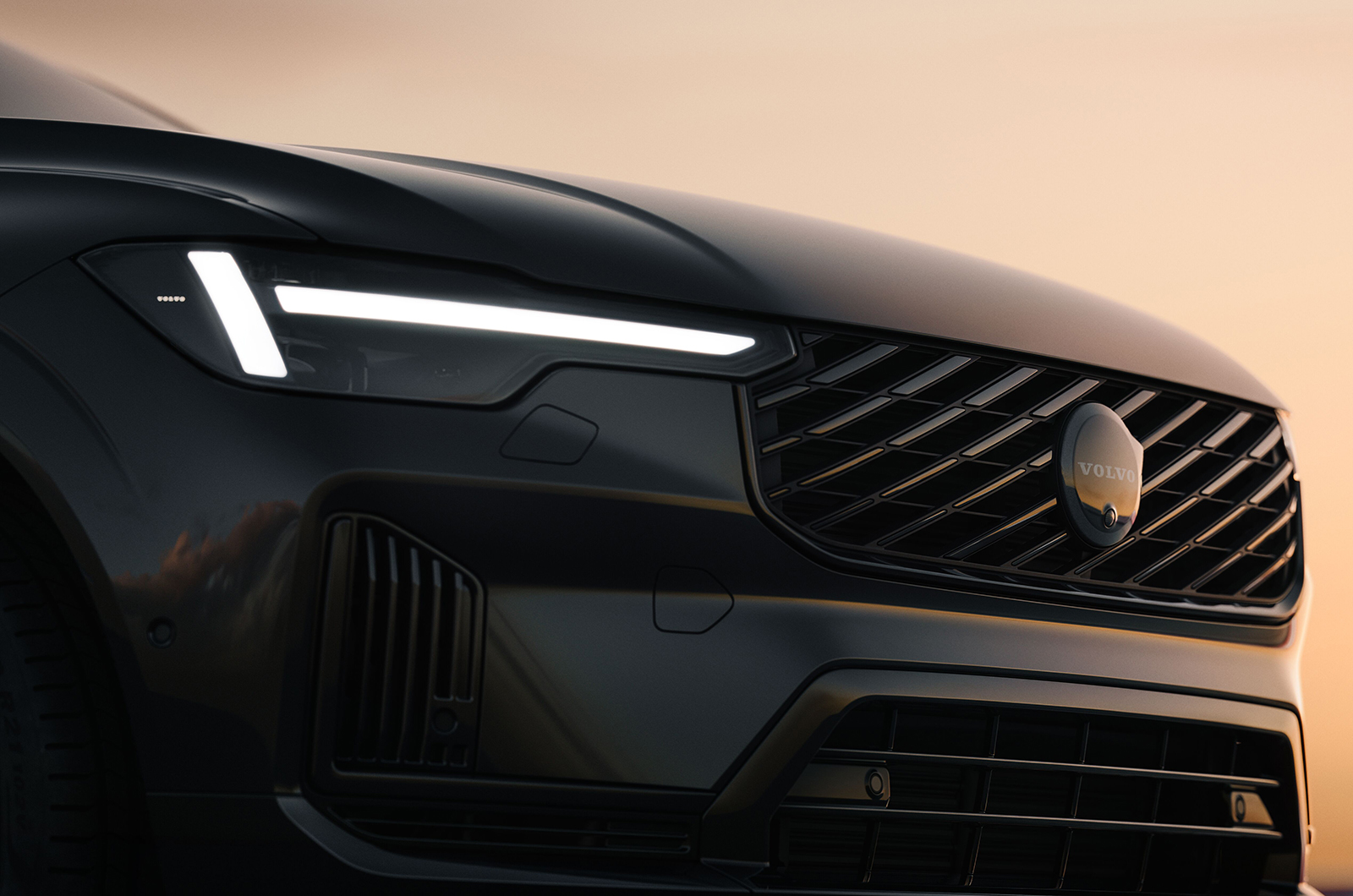
Volvo will launch 13 new cars by the end of 2030 in what it calls the “largest and most ambitious” range expansion in its history.
The new models will be a mix of electric cars and hybrids, and will give the firm a regionalised portfolio, with separate offerings for Western markets (including the UK) and China. Volvo has yet to give details on the line-up, with more information set to come in a strategy update later today (Thursday 17 September).

Volvo says that the decision to regionalise its line-up is driven by “technology restrictions, trade tariffs and diverging customers preferences”, but the Swedish firm says it aims to turn “regionalisation into a competitive advantage.”
There will be seven new cars for Western markets, which will sit on the firm’s existing SPA2 and SPA3 architectures and use its HuginCore software platform.
The SPA2 architecture is currently used for the EX90 large SUV and ES90 saloon, while the SPA3 architecture is used for the new EX60 SUV.

Meanwhile, there will be six new models dedicated to China, which will be developed in collaboration with parent firm Geely and sit on shared platforms and a dedicated Chinese tech stack. The firm already offers the EM90 MPV as a Chinese-only model.
Volvo says that it is aiming to double its market share in the full BEV segment, but will also invest in a new third-generation hybrid system for “customers still reluctant to go fully electric.” It has recently upgraded the XC90 and XC60 plug-in hybrids with a significantly bigger battery enabling up to 124 miles of range with the engine off – more than any other PHEV on sale.
The new cars will also move Volvo in “the next era of design”, with the firm’s design efforts now led by Thomas ingenlath, who has returned from a stint running Polestar.
Volvo boss Håkan Samuelsson said that the firm’s “showrooms will look very different in 2030,” adding: “This is our strongest product pipeline ever, tailored to regional needs, and emphasises our ambition to be the leading premium car brand.”
Volvo says that developing the new models will require less investment than previously because they will be based on existing architectures, which will help its efforts to achieve strong growth and push its EBIT beyond 8%.
The firm will also introduce a new business model that it says will be built on “simplicity, transparency and precision”. That will include “transparent pricing”, and a line of cars tailored for fast delivery.
This story will be updated with more details.

Related posts






Latest Post


No Comments