
Moving On Up: Cardo Rolls Out Trade-In Program
Most consumers are accustomed to the trade-in process when it comes to vehicles. We visit a dealer, haggle over pricing and use the current machine to offset the cost of a shiny new motorcycle. There is a fully developed resale ecosystem in place to support big-ticket items like cars or bikes, but as far as gear or accessories go, you’ll likely have to resort to peer-to-peer marketplaces and be inundated with lowball offers. Such is life, friends.

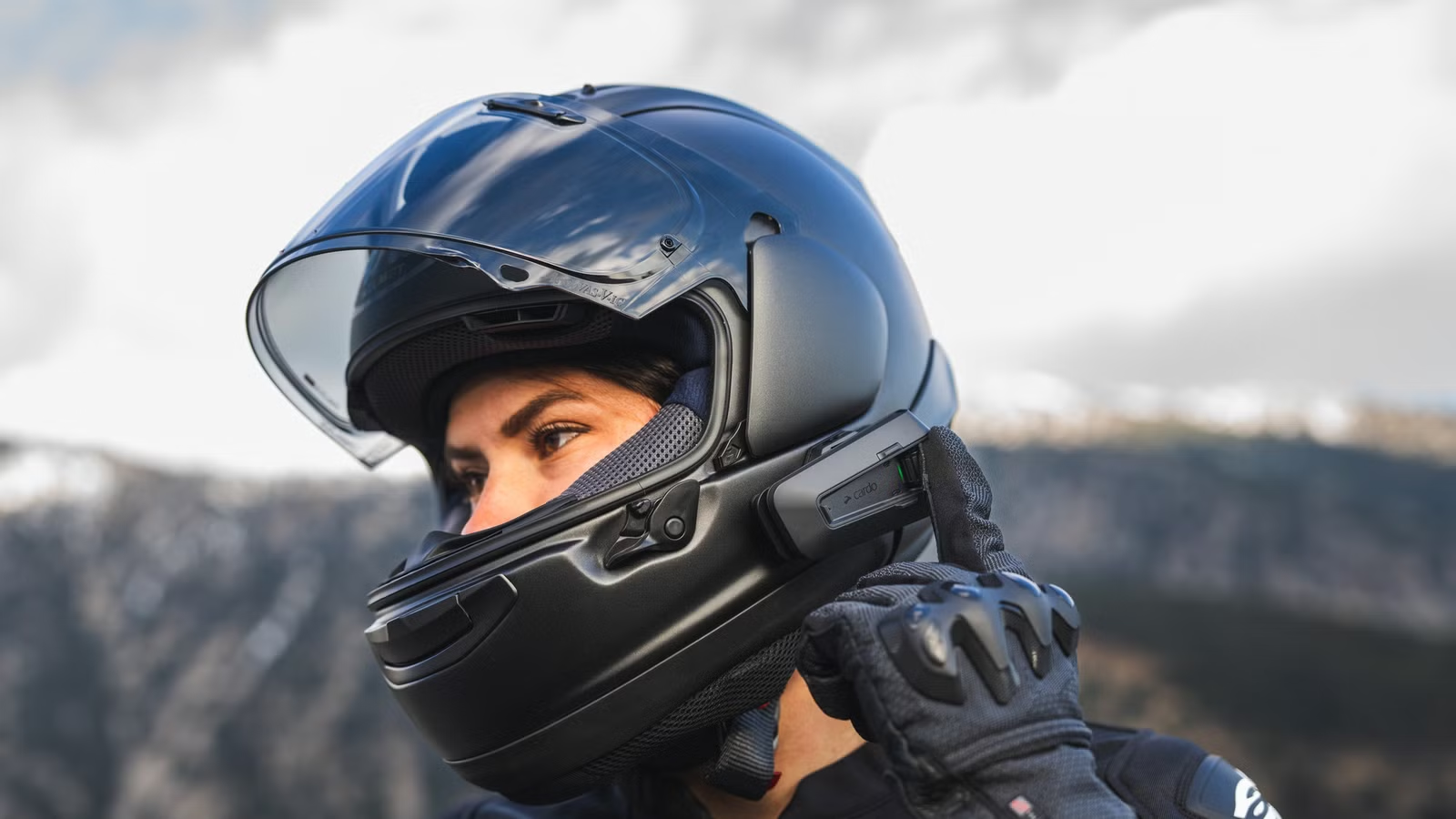
This week Cardo Systems Inc. launched Cardo Trade-In. The premise is simple: riders send an old communicator from any brand, working or not, and collect up to $130 back on a new Packtalk communication device.
“Riders rely on their communication systems every time they get on the bike,” said Dan Emodi, Cardo’s chief marketing officer, who described the program as an easier pathway to experience mesh technology.
How Cardo Trade-In Works

Riders choose a Packtalk on Cardo’s webstore, select “Buy with Trade-In” and enter the brand and model of their old unit for an estimated refund. To be clear: consumers purchase the headset up front. Cardo emails a prepaid FedEx label, and the rider has 30 days to ship the old hardware. Once Cardo verifies it, the refund goes back to the original payment method as a rebate, not a checkout discount.
Payouts are tiered. A Cardo Packtalk returns $130, a Freecom $115, a Spirit or legacy Cardo unit $90 and a competitor’s unit $80. The figure shown at checkout is an estimate. Cardo sets the final number after inspection and issues approved rebates within roughly five to 10 business days of accepting the unit. Only the main module goes in the box.
There are limits. The trade-in can’t be combined with promotional codes, affiliate links or major sales-event discounts, and it’s one trade-in per new unit. Ownership transfers to Cardo once the company inspects and accepts the trade-in device, after which it isn’t coming back. Rejected units go back only if the rider covers return shipping. Return the new Packtalk after the rebate lands and Cardo subtracts that amount from the refund. Currently, the program is only offered to U.S. residents.
A Novel Approach With Precedent
Cross-brand trade-in structures are old news in consumer tech. Phone makers and carriers built the practice into the upgrade cycle long ago, happily taking a rival’s handset to move an owner up the ladder or poach a conquest customer.
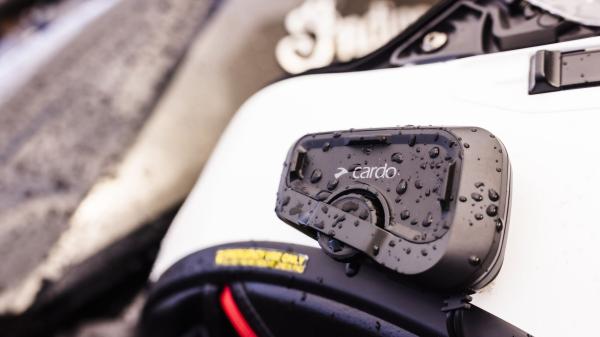
The typical arrangement wants a device that powers on and passes inspection, pays out in store credit or a gift card, and routes anything broken to free recycling instead. Cardo’s terms open the opportunities up even further, stating that eligible devices include Cardo and non-Cardo helmet communication systems, “including broken or non-functioning units.” So, if you have an old communication unit that is destined to become e-waste, this might be an opportunity to replace it at a lower cost.
Sena Technologies, one of Cardo’s direct competitors, did dabble with trade-ins first, though its offer has since run its course. The Wave Trade-Up Program ran for two months in the summer of 2025 and worked much the same way: buy a qualifying unit at full price, ship the old one back on a prepaid label, collect a credit on the original payment method once it clears inspection. However, Sena’s (no relation, heh) has long since expired.
The Current Cardo Range

The trade-in covers Packtalk purchases only. The Packtalk Pro tops the line with crash detection in select regions and 45mm JBL speakers. The Edge carries second-generation Dynamic Mesh Communication, 40mm JBL speakers, roughly 13 hours of talk time, IP67 waterproofing and a magnetic Air Mount. The Neo keeps the mesh core at a lower price. The Custom starts cheaper and unlocks extras through subscription tiers.
Below those sit the Freecom 4X and 2X for four-rider and two-rider Bluetooth intercom, plus the entry-level Spirit HD and Spirit. Prices run from roughly $110 to about $500 depending on the model.

Related posts





Latest Post


No Comments