
California Leno’s Law SB 1392: What Changed After SB 712 Failed
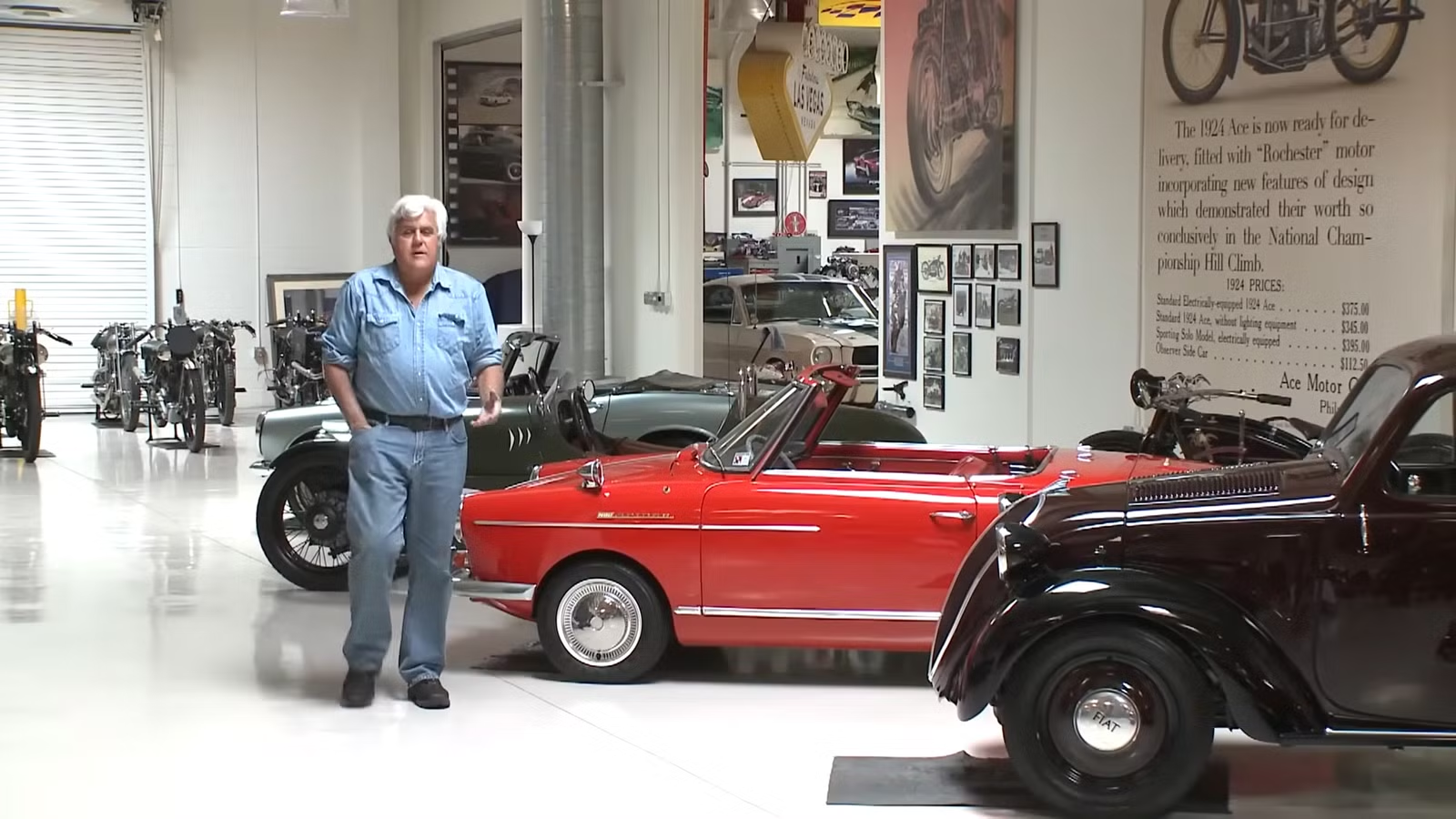
California’s classic car community has been fighting this battle for more than two decades, and last year they came close — only to watch their bill die in committee. Now SB 1392, widely known as Leno’s Law, has cleared both chambers of the California Legislature with a 49-4 vote and sits on Governor Gavin Newsom’s desk. He has until September 30, 2026, to sign or veto it.

The story of how it got this far is really a story about what went wrong the first time — and how advocates rewrote the bill to answer the objections that killed it.
Why the First Bill Failed
The original version, Senate Bill 712, took a straightforward approach: any vehicle 35 years old or older would qualify for a smog-check exemption. That sounds reasonable on paper, but California lawmakers pushed back hard during oversight. Their concern was blunt — a blanket age-based exemption would put too many older, higher-emitting vehicles back on the road without any meaningful guardrails. SB 712 was knocked back, and the classic car community had to go back to the drawing board.

The lesson was clear. A broad exemption was a non-starter in a state where air quality legislation carries serious political weight. If a revised bill was going to survive, it needed to be narrow, phased, and verifiable.
What SB 1392 Does Differently

Senators Shannon Grove and Dave Cortese — the bill’s authors, with Jay Leno lending his name and public support rather than authoring it himself — rebuilt the proposal from the ground up. SB 1392 replaces the broad age cutoff with a phased rollout tied to specific model years. Starting January 1, 2028, vehicles manufactured before the 1981 model year would qualify for the exemption. From there, the threshold expands by one model year annually through 2033, eventually covering vehicles built before 1986.
For context: California’s existing smog exemption currently covers only vehicles from the 1975 model year and earlier. Owners of cars from 1976 onward — think late-’70s muscle, early-’80s imports, lowriders, and everything in between — have been required to smog-test their vehicles regardless of how rarely they’re driven or how carefully they’re maintained. SB 1392 would be the first meaningful expansion of that exemption in more than 20 years.
The Guardrails That Won Over Skeptical Lawmakers

The phased timeline was only part of the fix. The more significant change was the addition of collector-use requirements designed to prevent the exemption from becoming a loophole for daily drivers.
To qualify under SB 1392, an owner must demonstrate that the vehicle isn’t primary transportation. That means either carrying collector-car insurance — which already comes with built-in mileage caps and usage restrictions — or documenting that the vehicle is driven fewer than 1,000 miles per year. The bill is explicitly aimed at cars used for shows, parades, charitable events, and historical exhibitions, not commuting.
For most serious collectors, those requirements aren’t new burdens. They’re already the reality of owning a vehicle on a collector policy. Senator Cortese put it plainly after the vote: “A classic car that spends most of its life in a garage and comes out for a parade, car show, or charity event is not the same as a daily commuter, and our laws should recognize that.”
The coalition that formed around SB 1392 was notably broad. SEMA backed the bill and reported that California’s automotive aftermarket industry supports nearly 150,000 jobs and generates more than $40 billion in annual economic activity. California’s lowrider community submitted more than 1,700 letters in support. The bill passed with bipartisan votes from both Democrats and Republicans — a combination that’s become increasingly rare in Sacramento.
One Signature Stands Between Collectors and Relief

The bill now awaits Governor Newsom’s decision. He has until September 30 to sign or veto it. If signed, SB 1392 would take effect with the 1976–1980 model years gaining exemption first in 2028, with the window expanding steadily from there.
For owners of late-’70s and early-’80s collector cars — vehicles that have been caught in a regulatory gray zone for years — the outcome of the next few weeks will matter considerably. A veto would send advocates back to square one for the third time. A signature would close a chapter that California’s car community has been trying to write for a generation.

Related posts




Latest Post


No Comments