-
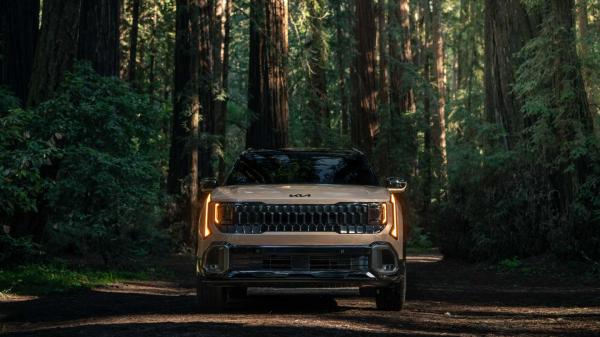
2027 Kia Seltos Kia -
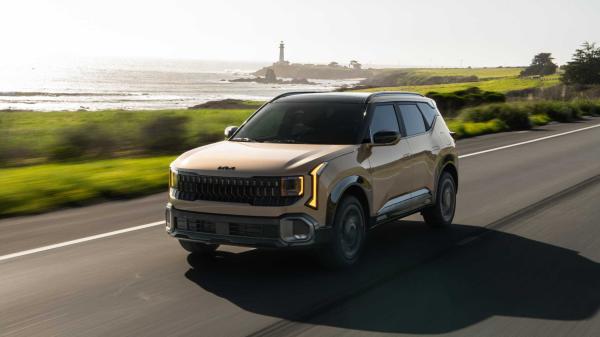
2027 Kia Seltos Kia

The 2027 Kia Seltos Arrives As A Baby Telluride, And That Framing Changes The Compact SUV Conversation
4 minutes reading
Sunday, 6 Sep 2026 13:00 0 9 autotech
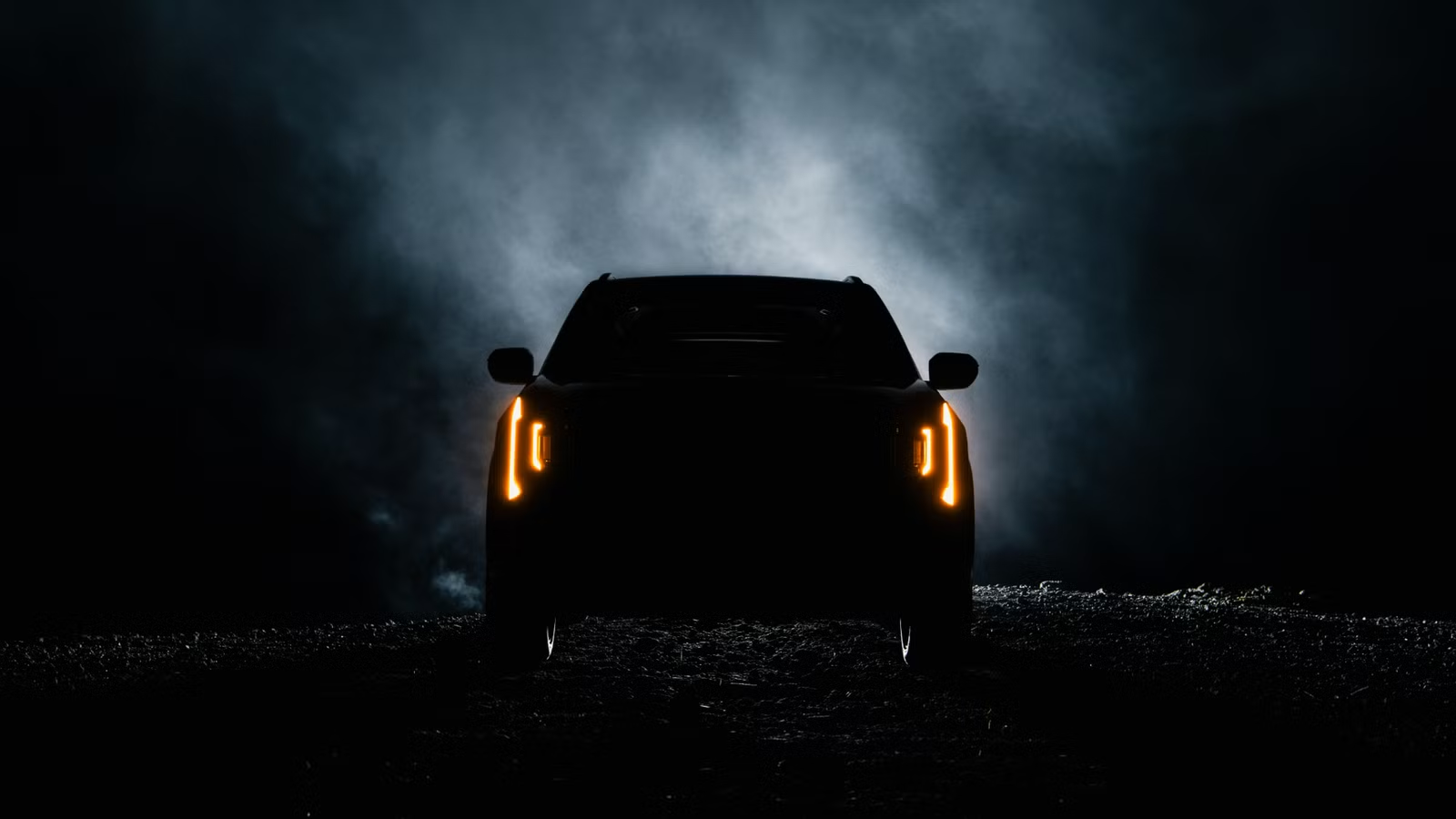
Kia’s redesigned 2027 Seltos broke cover this week, and the comparison reviewers keep reaching for says everything: baby Telluride. That’s not a throwaway compliment. The Telluride has spent several years at or near the top of full-size SUV rankings by delivering a premium look and generous features at prices that undercut European rivals — and now Kia is running the same play a segment lower, starting at $24,990.

61 autotech
The new Seltos arrives with a boxier, more squared-off silhouette that reads as genuinely substantial rather than the rounded, anonymous shape common in subcompact SUVs. Pair that with a top-trim price of $36,785 that includes all-wheel drive, a 190-horsepower turbocharged engine, wireless Apple CarPlay, a digital gauge cluster, and heated rear seats, and you have a vehicle that forces a rethink of what compact SUV money actually buys in 2027.
A Redesign Built Around Looking Bigger Than It Is
The styling shift is the headline move. Where the previous Seltos leaned into soft curves typical of the subcompact class, the 2027 model adopts the upright, slab-sided proportions that have made the Telluride so visually distinctive. Reviewers have singled out the rear-end execution in particular — the wiper is tucked beneath the spoiler rather than mounted in plain sight, a detail that reads as a premium touch on a vehicle priced under $25,000 to start.

35 autotech
The top trim is offered in an X-Line package finished in Terrain Brown, adding rugged badging and a more aggressive stance. Inside, the cabin benefits from a panoramic sunroof that opens up what would otherwise be a relatively dark interior, and the rear seat includes USB-C ports, dedicated vents, pockets, and heated outboard seats — equipment levels more commonly associated with vehicles a size class up. A power liftgate, 60/40-split rear seat, and a cargo-management system round out the practical side of the package.
Two Engines, One Clear Upgrade Path
The Seltos lineup splits cleanly between two powertrains. Base trims use a naturally aspirated 2.0-liter four-cylinder paired with a CVT — straightforward, fuel-efficient, and priced to compete at the entry level. Step up to the higher trims and the 1.6-liter turbocharged four-cylinder takes over, producing 190 horsepower and connecting to an eight-speed automatic transmission.
Reviewers who have driven the turbo variant report that 190 hp feels more than adequate for a vehicle in this class — enough for confident highway merging, passing, and hill climbing without straining. The cabin earns consistent praise for being smooth and quiet at speed, and Kia’s seat and headrest design gets specific mention for long-haul comfort. A hybrid version is confirmed for later in 2026, which will extend the lineup’s appeal for fuel-economy-focused buyers once it arrives.
How the Seltos Stacks Up Against the CR-V, CX-5, and Corolla Cross
The competitive math here is direct. The Honda CR-V starts at $32,370 — roughly $7,400 more than the Seltos’s $24,990 base. The Mazda CX-5 opens at $31,485, a $6,500 gap. Both rivals offer more raw cargo volume with seats in place (the CR-V at 39.3 cubic feet, the CX-5 at 33.7, versus the Seltos’s 27.8), and both offer slightly more legroom front and rear. Those are real differences for buyers who regularly haul large loads or carry three adults in the back.
But the Seltos counters with superior fuel economy over the CX-5 — 28 mpg city and 33 mpg highway versus the Mazda’s 24 city and 30 highway — and a starting price that lets buyers reach well-equipped mid-trims for what a base CR-V or CX-5 costs. The Toyota Corolla Cross, which slots at a similar price point to the Seltos, faces a different kind of pressure: the Seltos now matches it on value framing while offering a design that reads as considerably more substantial. For buyers whose primary filter is features-per-dollar, the Seltos’s math is hard to argue with.
What the Baby Telluride Label Actually Means for Buyers
The Telluride comparison isn’t just a styling observation — it signals a strategic positioning. Kia built the Telluride’s reputation on delivering three-row, near-luxury aesthetics at prices that made domestic and European rivals look overpriced. The 2027 Seltos applies that same logic to the compact segment: accept slightly less interior volume than a CR-V, and in return get a vehicle that looks more expensive than it costs, drives more quietly than the price suggests, and comes loaded with tech that competitors charge significantly more to access.
For mainstream compact SUV shoppers, that trade-off is worth examining carefully. The Seltos won’t replace a CR-V for buyers who genuinely need the cargo space or the rear-seat room. But for the large portion of the market buying a compact SUV for daily driving, school runs, and weekend trips — where the Seltos’s interior will feel plenty spacious — the redesign makes a compelling case that the subcompact classification understates what the vehicle actually delivers.

Related posts





Latest Post


No Comments