
BMW Executive Just Explained Why Your Car Is Losing Its Buttons
Article Summary
- BMW’s new iX3 has almost no physical switchgear left — climate control now runs entirely through the touchscreen or voice.
- BMW Australia CEO Vikram Pawah says the shift reflects how customers already live, not a design trend, pointing to younger drivers’ comfort with touch and voice.
- A looming Chinese regulation (targeted for July 2027) will require 19 core functions to keep physical controls — and BMW’s current setup already looks close to compliant.
“A car is not a standalone piece, it’s part of what’s happening around you in society.” That’s how BMW Group Australia CEO Vikram Pawah explains to CarExpert one of the biggest shifts in the brand’s history: the disappearance of physical buttons and dials from its cabins. BMW — long famous for interiors built around the driver’s hands — is stripping away switchgear at a rapid pace. Its newest electric SUV, the iX3, has almost none left at all.
Almost Everything Runs on Touch and Voice

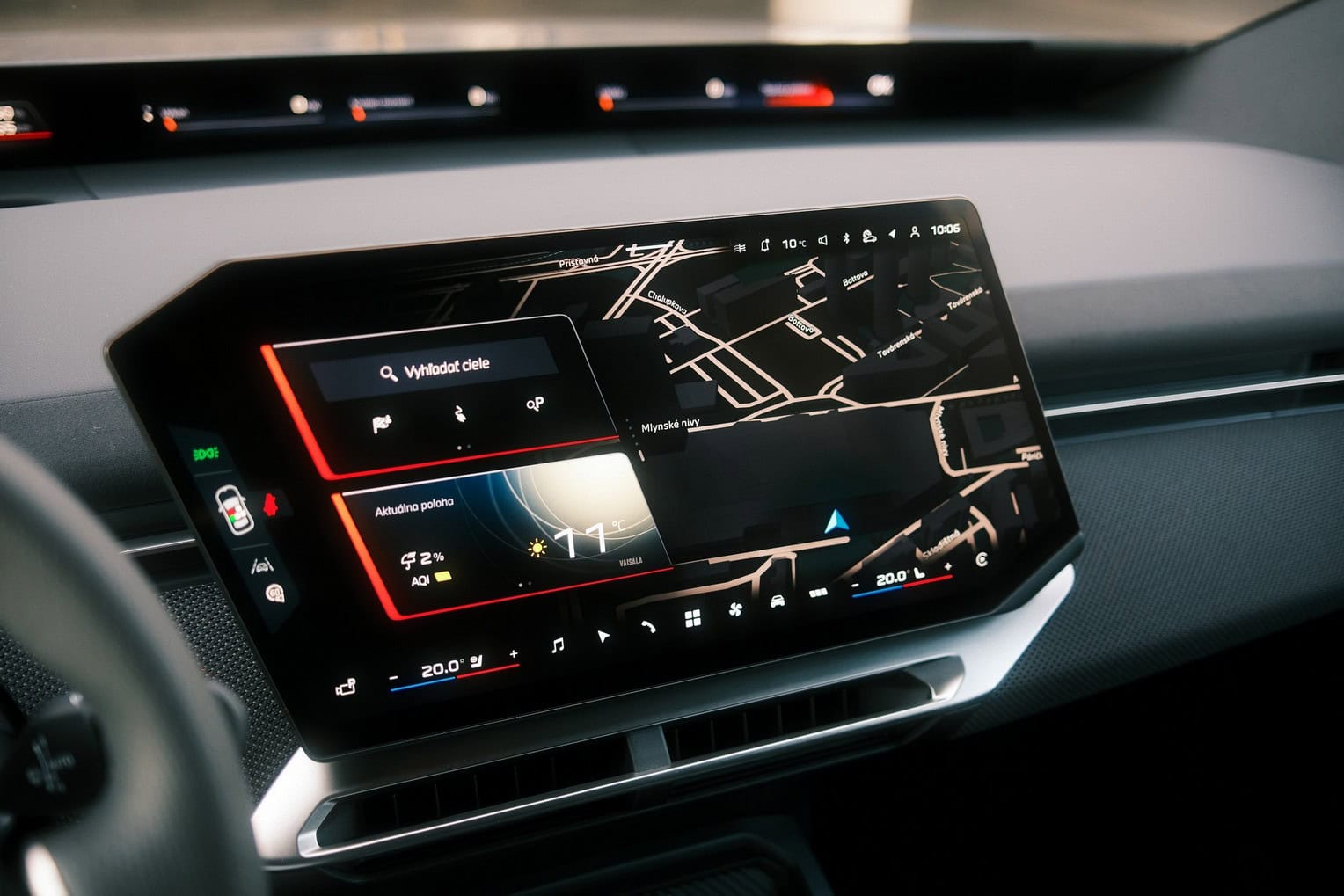
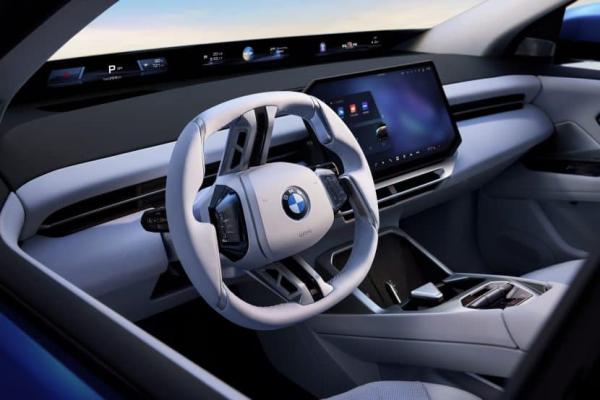
Step inside the Neue Klasse-based iX3 and the dashboard is nearly bare. Just a small cluster of switches survives on the centre console. Climate control? Gone from physical form entirely — now handled through the touchscreen or by talking to the car. BMW says this isn’t about chasing a trend. It’s about catching up with how people already live. Pawah pointed to younger drivers — roughly under 45 — who default to touch and voice everywhere else in life, and expect their car to keep pace. The iX3’s voice assistant can now handle oddly specific requests, like redirecting airflow away from your face or reordering a coffee you had last week.
A New Kind of Dashboard
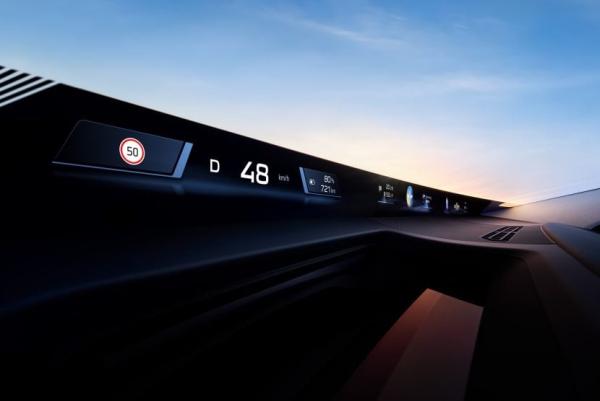
The iX3 debuts BMW’s next-generation interior, headlined by “BMW Panoramic iDrive” — a display strip that runs along the base of the windscreen, joining a head-up display and the main touchscreen. There’s no traditional instrument cluster behind the wheel anymore. Some physical elements survive. The stalks on the steering column are still there. And BMW has added “ShyTech” controls to the wheel itself — buttons that stay dark and hidden until the moment they’re actually needed, then light up.

Even the touchscreen climate controls have fixed, anchored positions, so they don’t disappear into menus. Pawah compared the backlash to how people reacted when BMW first launched iDrive back in 2001. “Change is never easy,” he said, “but if the adoption of change is made more palatable and more intuitive, it’s possible.”
Tesla Started It. China Is Speeding It Up
Tesla is the brand most responsible for normalising the button-free car. Nearly everything in a Tesla runs through its screen or voice system — the company even briefly deleted physical indicator stalks in favour of steering wheel buttons. Tesla’s massive popularity in China has helped spread that minimalist look. Chinese-market and Chinese-built cars — including the Mazda 6e and Lexus ES — have followed the same script.
The iX3 is tied into this too. It gets a stretched, long-wheelbase version specifically for China, and BMW even had to bring back conventional door handles on that variant after new Chinese rules restricted flush handles.
But China May Force a Rethink
Here’s the twist: China’s own regulators are about to clamp down on the very minimalism its market helped inspire. A new national standard — expected to land on July 1, 2027 — will require 19 essential functions, including gear selection, wipers, lights and indicators, to have real physical controls. Not just anywhere, either: fixed locations, a minimum size, and tactile or audible feedback.
The good news for BMW? Its current setup — less extreme than Tesla’s — already looks close to compliant.

Related posts


Latest Post


No Comments