
UK firm’s self-driving lorry ditches cab for more capacity, less weight
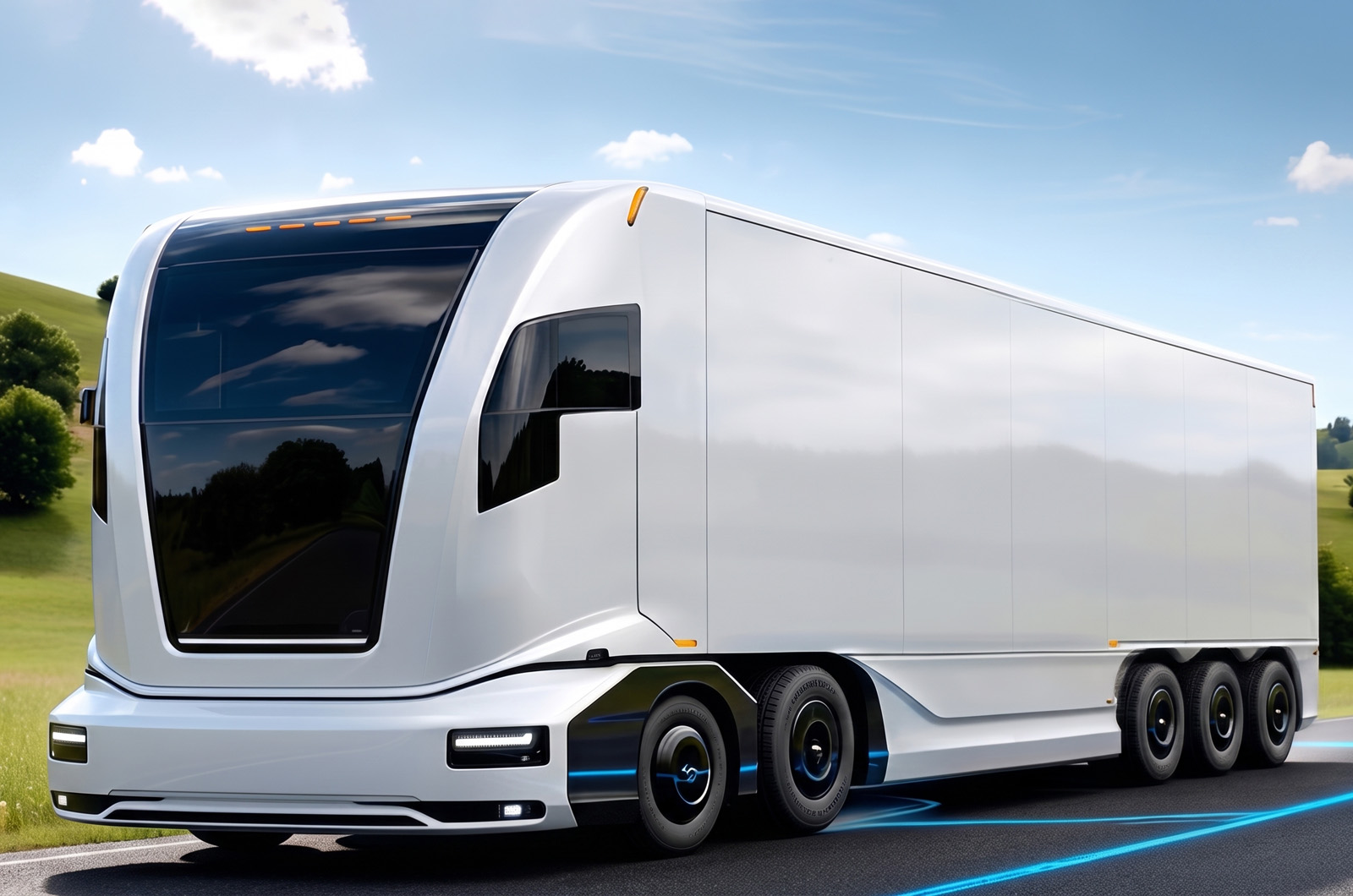
Electric vehicle specialist Voltempo is developing a cabless, autonomous rigid lorry that’s 15.6m long, exceeding the current maximum length for a non-articulated lorry, which the company claims will maximise space and payload.
The prototype aims to extend a rigid truck’s proportions and capacity beyond the current maximums of 12m, 32 tonnes and four axles to 15.6m, 42 tonnes and five axles, making it the same length as a coach. Removing the cab frees up weight and space, creating what Voltempo founder and corporate development officer Michael Boxwell dubbed a “smart trailer”.

Berkeley Coachworks is constructing the body and a prominent truck manufacturer is supplying the electric drivetrain. The prototype is scheduled for completion by September 2027 and testing is expected to start later that year at an autonomous vehicle test track in South Wales. The UK’s Automated Vehicles Act allows driverless vehicles to travel on public roads from this year, so trials could extend to the highway. Production is tipped to begin in late 2027, with first deliveries expected in mid-2028.
“If you get rid of the cab, you’ve got a 15.6m-long, longer semi-trailer, in effect,” said Boxwell. “An articulated tractor and trailer unit is about 15-17 tonnes as a diesel vehicle, and as an electric vehicle, it’s maybe 19 tonnes. With this smart trailer, we can get the laden weight down to between 10 and 12 tonnes as an electric vehicle. That means you’ve got 15% more space compared to a standard-length trailer.
“You’ve got a significant amount of extra payload – five to seven tonnes – and, bearing in mind the weight of a cab is two tonnes… we worked out that your typical HGV is carrying 16 tonnes on average. Now, we can make it 18.6 tonnes, because of the extra space. You’ve got something which is 1.5m shorter than an articulated HGV, but your average weight on the road is three times lighter because of the rigid body.”

According to Boxwell, every truck manufacturer in Europe has signed up to approve the prototype as an official vehicle classification and “they are prepared to build vehicles to that specification”. He said production versions would first be built in the UK, then on the continent. “We will get British hauliers in on the act before anybody else,” he said.
Boxwell added that the first vehicles are likely to be deployed on fixed routes, which would first need to be approved by local authorities, and he expects the number of routes to increase if initial attempts prove successful. He also said the prototype’s greater length and capacity could reduce the number of trucks on the road and that autonomy may help to address the ongoing driver shortage.

Related posts


Latest Post


No Comments