
The Most Spacious Electric SUV That You Can Buy
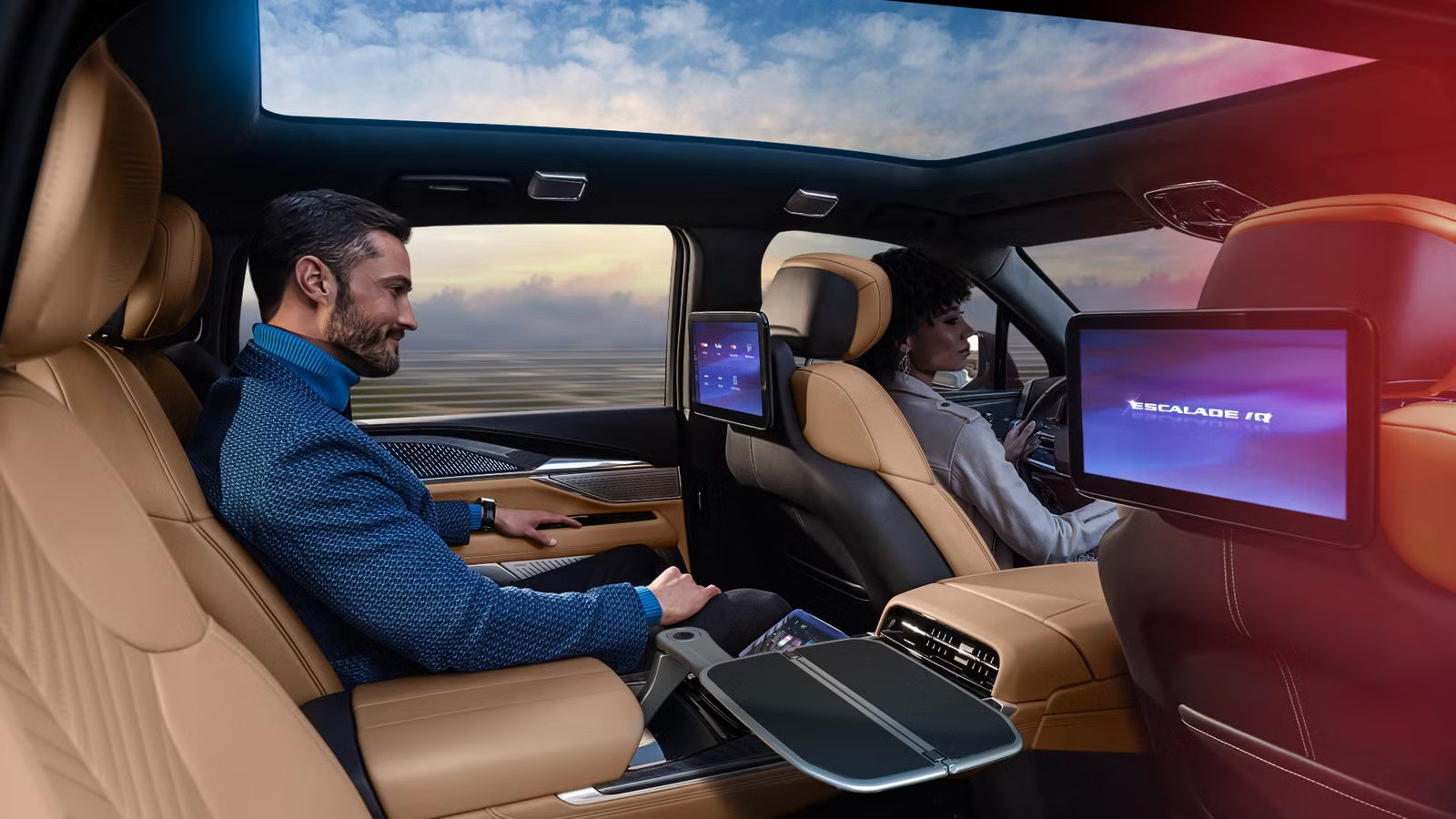
Finding an electric SUV that genuinely replaces a full-size gas-powered hauler has long been the industry’s toughest challenge. Range anxiety gets most of the headlines, but for families and professionals who live out of their SUVs, the real question is simpler: does it have enough room? Interior volume is the make-or-break metric, and right now one electric SUV answers that question more convincingly than any other on the market.

Among all the segments, SUVs stand out as a dominant force, prized for their blend of space, capability, and versatility. Although the mass desirability in the SUV market leans toward smaller crossovers that can navigate the urban terrain with aplomb, there is still a need to maximize interior space for both passengers and cargo.
Interior volume plays a key role in determining an SUV’s suitability for real-world use, particularly for those needing lots of space for passengers and cargo — whether that means accommodating a family road trip, managing weekend errands, or supporting professional demands. As with traditional ICE SUVs, the compromise is between interior space and exterior size, since it’s difficult to make a box bigger inside than it is on the outside. But if your preference is toward interior space, and damn the exterior dimensions, there is no family EV that can top this SUV.
The Cadillac Escalade IQ Is The Most Spacious Electric SUV
It Offers An Interior Volume Of 185.6 Cubic Feet

The Cadillac Escalade has always defined what it means to combine size, utility, and luxury, and in the electric SUV era that job falls to the 2025 Cadillac Escalade IQ, with its 185.6 cubic feet of combined interior space.
As the newest addition to the iconic Escalade lineage, this all-electric model upholds its predecessor’s legacy of commanding road presence and cavernous interior, while layering in the technological sophistication expected of today’s best EVs.
Inside, the Escalade IQ is designed for ultimate comfort, with a focus on passengers and whatever they may need to bring along for the ride. It caters to families, adventurers, and luxury enthusiasts alike, pairing massive practicality with indulgent refinement.
It Blends Size, Luxury And Sustainability
Buyers of large SUVs prioritize utility and versatility, seeking vehicles that can comfortably accommodate passengers (often six or more), adapt to diverse cargo needs, and simplify life’s challenges when it comes time to load up — with features like fold-flat seats, thoughtful storage solutions, and captain’s chairs that slide out of the way.
The Cadillac Escalade IQ not only has the expansive interior space, but also the adaptability to easily switch from family transportation to professional tasks, managing large loads effortlessly when the need arises.
Cadillac Escalade Has A Legacy Of Luxury, Size And Versatility
Since its debut in 1999, the Cadillac Escalade has continually evolved to remain the market-wide flagship SUV for luxury and capability. The first-generation Escalade emphasized ruggedness paired with high-end features, and as the nameplate expanded — introducing the extended-wheelbase ESV and the pickup-based EXT — each successive generation improved on the last.
Escalade powertrains evolved alongside its growth, moving from V-8 gasoline engines to more efficient options like diesel and, now, fully electric propulsion with the Escalade IQ. The Escalade legacy is not just one of physical growth, but also of the ability to seamlessly combine luxury, utility, and innovation.
The Cadillac Escalade IQ Is The Pinnacle Of Size And Efficiency

Since the turn of the century, the Cadillac Escalade has dominated the luxury SUV segment by delivering unmatched interior space, bold styling, and advanced features, solidifying its status as an aspirational vehicle — particularly for fans of North American full-size luxury trucks and SUVs.
With its versatility across multiple models and trims, the Escalade has consistently met diverse buyer needs, and now steps into its electrified future with the Escalade IQ, adding zero-emission performance to maintain its leadership in the premium SUV market.
The 2025 Cadillac Escalade IQ’s passenger and cargo space work seamlessly together to fulfill diverse lifestyle needs. Full-family outings benefit from roomy three-row seating, allowing grandparents to travel comfortably alongside grandkids with ample legroom all around.
For weekend getaways, families can fold down unoccupied seats to expand cargo capacity for luggage, sports gear, or camping essentials. And adventurous couples can fold all the rear seats flat to make room for outdoor equipment like bikes or even kayaks.
The three distinct variants of Escalade meet varying needs. The fully electric Cadillac Escalade IQ gives up a bit of passenger comfort and cargo flexibility but gains significantly in efficiency over the standard Escalade, while the mammoth Cadillac Escalade ESV is superior to all others in comfortably transporting passengers with unmatched cargo capacity.
Large Electric SUVs Balance Passenger Space And Cargo Space

The Cadillac Escalade IQ may be the largest among large electric SUVs, but there are choices for buyers willing to trade a bit of room for a more manageable footprint — especially in the urban environments where EVs thrive. Those choices range from traditional performers like BMW and Mercedes-Benz to icons like Hummer and innovators like Tesla.
The GMC Hummer EV SUV Is Like The Escalade IQ

The GMC Hummer EV SUV redefines utility with its bold design and spacious 163-cubic-foot interior. A fraternal GM Ultium-platform twin to the Escalade IQ, it trades some of the Cadillac’s luxury for Hummer ruggedness and off-road prowess, while still providing comfortable room for five occupants and their gear.
A flat-load floor and adaptable cabin make it ideal for adventurous trips, balancing capability and comfort for EV buyers who want an edgier but uncompromising utility vehicle. It’s also available as a pickup.
Mercedes-Benz EQS SUV Offers Balance Of Passenger And Cargo Room

Befitting its brand’s performance-luxury strategy, the Mercedes-Benz EQS SUV combines opulence, smooth performance, and practicality for up to seven passengers. Adaptable seating includes an optional third row for buyers who need less space for passengers and more for cargo, while delivering Mercedes-Benz hallmarks like premium materials and advanced technology.
BMW iX Is Designed For On-Road Comfort And Style

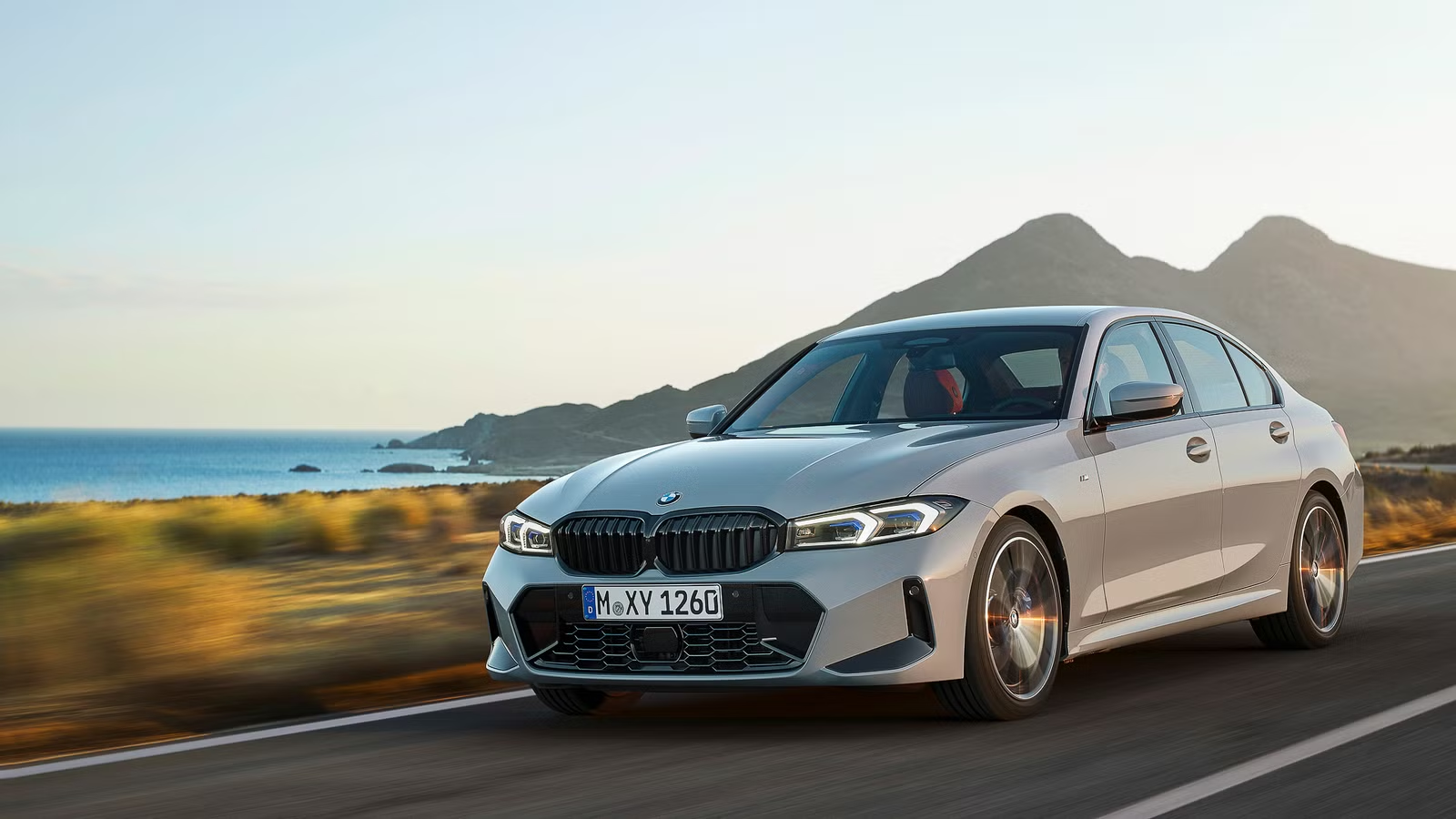
The BMW iX offers a spacious five-passenger cabin and a versatile interior designed for comfortable long-distance driving, in the best BMW road-going tradition. High-quality materials and advanced tech features provide the comfort and ambience cabin occupants expect, while the luxury electric SUV quietly devours the miles.
The Tesla Model X Has Been The Benchmark For Spacious Electric SUVs

The Tesla Model X was one of the innovators of the luxury electric SUV segment and remains a benchmark for the competition. It offers a spacious, versatile, easily accessible interior with seating for up to seven passengers and flexible seating configurations. Its falcon-wing rear doors make it one of the easiest vehicles to load people and cargo into — or out of — outside of a minivan.
The Cadillac Escalade IQ Fits In A Niche Segment, But There Is A Need
The Cadillac Escalade IQ embodies massive form and function in the premium SUV segment. With a spacious, flexible 185.6-cubic-foot interior designed for luxury and practicality, it satisfies both family comfort and cargo needs. Like its Escalade siblings, the IQ features advanced tech and customizable seating configurations, ensuring it meets a wide variety of lifestyle demands. As an EV, it expands on the future mobility needs of full-size SUV buyers with zero-emission performance and instantaneous torque delivery to meet towing needs.
Full-Size SUVs Have A Reputation As Gas Guzzlers, But EVs Can Change It
Interior space is crucial for vehicle practicality, especially in SUVs that must accommodate passengers and cargo to enable various lifestyles. For EVs to effectively replace traditional ICE vehicles, they must offer comparable functionality — the interior space and versatility needed to transport families, pets, and all the gear a road trip demands.
And full-sized SUVs have a reputation for guzzling gas, so their EV counterparts must strike a balance between efficiency and practicality by offering adequate interior space and adaptability while remaining easy to live with on a daily basis. By combining sustainability with practicality, EVs like the Cadillac Escalade IQ can compete effectively with traditional ICE Escalades.
Sources: Cadillac, GMC, BMW, Mercedes, Tesla.

Related posts


Latest Post



No Comments