
10 Things Nobody Tells You About Driving A Turbocharged Car
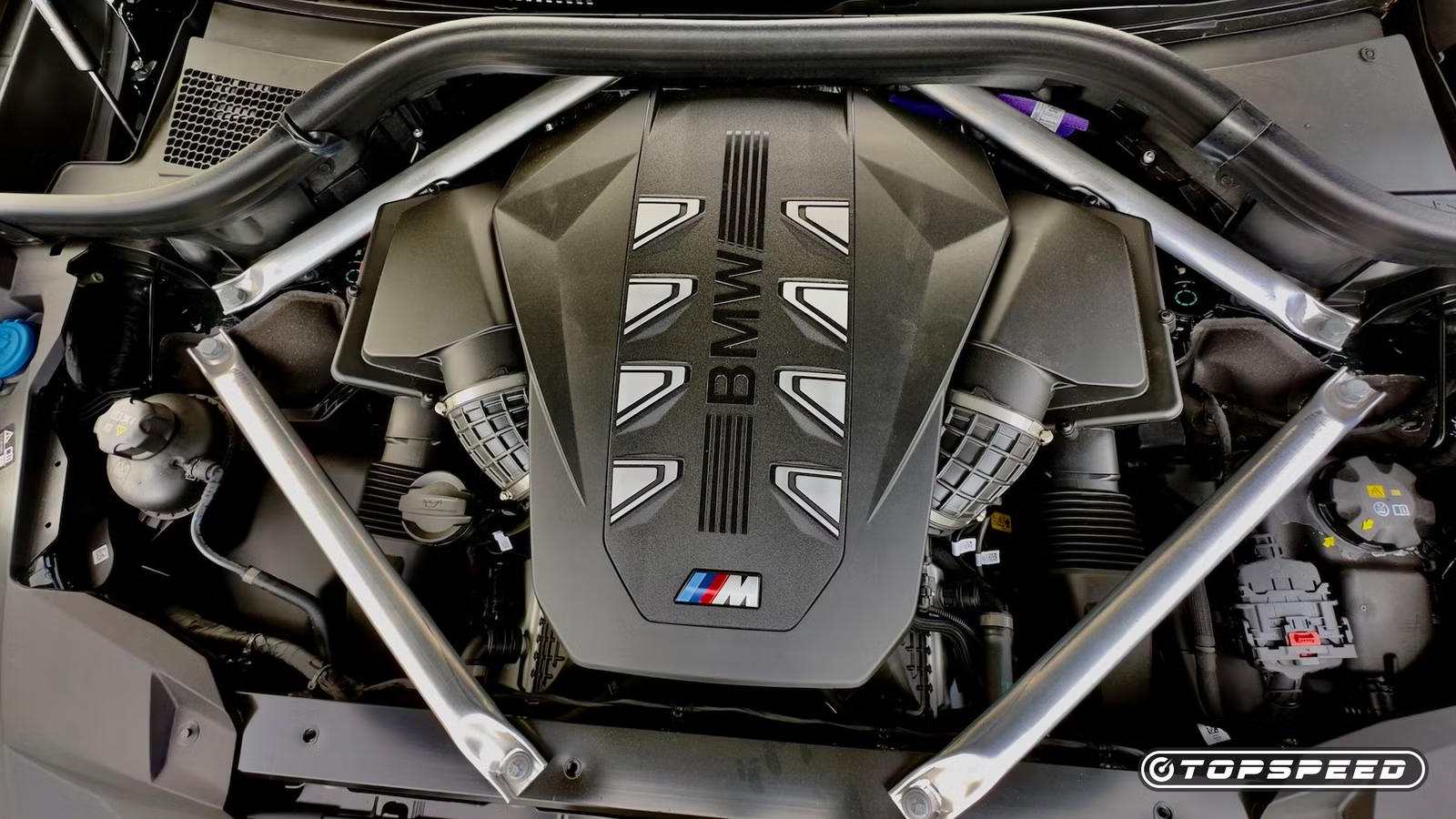
Turbocharged engines are everywhere now — tucked under the hoods of everything from budget commuters to six-figure sports cars — and for good reason. The promise of more power from a smaller displacement, without sacrificing everyday usability, is genuinely hard to argue with. But for all the enthusiasm surrounding forced induction, there’s a surprising amount that dealerships and spec sheets leave out. Whether you’re already driving a turbo car or seriously considering one, knowing what’s actually involved — the quirks, the costs, the habits — will make you a smarter, more satisfied owner.

From the realities of turbo lag to the importance of diligent maintenance, owning a turbocharged car comes with unique challenges and considerations. Understanding these factors can help drivers make the most of their turbocharged vehicles while avoiding common pitfalls and misconceptions. Familiarize yourself with these valuable insights and tips to enhance your driving experience and ensure that you get the most out of your turbocharged car.
The Need For Different Driving Habits
Why Different Driving Habits Are Important For Turbocharged Cars
Driving a turbocharged car requires some adjustments to your driving habits to maintain the vehicle’s health and optimize its performance. The presence of turbo lag makes throttle response feel different compared to naturally aspirated engines, which must be accounted for in your driving style. The turbo itself demands special consideration to prevent damage and to draw the best performance from the vehicle.
Important Driving Style Adjustments
- Avoid aggressive driving during startup
- Adjust driving style and acceleration to account for turbo lag
- Adjust driving style for a steady increase in speed over time
- Slow acceleration pedal movement to find the right power band for better throttle response

Adjusting these driving habits not only enhances your driving experience but also helps in maintaining the engine and turbocharger in good condition, ensuring that your turbocharged vehicle performs at its best for years to come.
Increased Maintenance Demands
Proper Maintenance Is Key For Turbocharged Engines

Proper maintenance is crucial for keeping a turbocharged engine running smoothly and efficiently. The added stress of running a turbo means the engine requires more frequent maintenance and more regular inspections. The higher pressures produced by turbocharged engines make them more susceptible to damage and wear, particularly where oil and air seals are concerned.
Key Practices For Maintaining A Turbocharged Engine
- Perform regular oil changes to prevent issues such as oil starvation and excessive engine wear
- Use high-quality synthetic engine oil, as it withstands high temperatures and maintains lubrication better than conventional oil
- Check the engine for leaks regularly to avoid unnecessary wear
- Regularly inspect the engine oil for degradation or contamination
Maintaining a turbocharged car requires diligent care and attention to these details to ensure long-term performance and prevent costly repairs. Always consult your vehicle’s manual or a professional mechanic to tailor the maintenance schedule and practices to your specific car model and driving habits.
Positive Performance Characteristics
Turbochargers Provide A Range Of Performance Benefits

Turbocharged engines are known not only for their power but also for their versatility and performance under various conditions. A turbocharger forces more air into the combustion chamber than atmospheric pressure alone would allow, resulting in better speed and acceleration through higher torque and power output.
Turbocharger Performance Advantages
- Improved speed and acceleration due to improved torque and power output.
- Better power management and decreased performance loss at high altitudes compared to naturally aspirated engines.
- Better performance in cold weather conditions.
- Improved fuel efficiency at low RPMs due to increased airflow into the engine combustion chamber.
These performance characteristics highlight the practical benefits of turbocharged engines, from enduring high altitudes without a hitch to optimizing fuel usage with careful driving habits.
Potential Hidden Costs
Maintaining Turbocharged Engines Can Cost More

Owning and operating a turbocharged vehicle involves certain costs that are higher than those for vehicles with naturally aspirated engines. Some of these costs are unexpected and potentially hidden for some drivers, which can be frustrating. However, it is important to remember that all of these additional costs are a direct result of the improved performance a turbocharged engine delivers, which makes them justifiable for most drivers.
Unexpected Turbo Costs
- Some turbocharged engines require more expensive premium or higher-octane fuel to perform optimally.
- Turbocharged engines are more expensive to maintain long-term.
- Turbocharged engines are more expensive to repair if certain components break or stop working.
- Running a turbocharged engine at high RPMs or high boost significantly increases fuel consumption, raising the overall cost of operating the vehicle.
These factors contribute to the overall cost of ownership of a turbocharged vehicle. While these cars offer great performance benefits, they do require careful maintenance and the use of higher-quality consumables to preserve their condition and performance over time.
Daily Driving Benefits
More Than All Out Performance, A Broader Powerband Is Available

Turbocharged engines offer several advantages that can enhance the driving experience significantly across various conditions. Some drivers assume that turbochargers only benefit high-performance vehicles, but the reality is that a turbo can meaningfully improve the everyday driving experience of even a modest, economy-focused car.
Benefits Of Turbochargers For Everyday Driving
- Turbochargers provide significantly more power at lower RPMs, improving throttle response once the turbo is spooling, which is pretty soon on most modern-day turbos.
- Smaller engines produce much more power and torque with a turbocharger, which makes daily drivers more efficient and more fun to drive.
- The higher torque at lower RPMs produced by turbocharged engines makes them ideal for towing heavy loads, though this is more applicable to diesel engines.
- The added power from a turbo allows the car to maintain speed at low RPMs, optimizing fuel efficiency.
Overall, the combination of enhanced power, better fuel efficiency under normal driving conditions, and superior torque at low RPMs makes turbocharged engines a versatile option for various types of drivers.
Turbocharged Engines Are Reliable
Turbo Engines Are More Reliable Than You Think

One of the most common misconceptions about turbocharged engines is that they are inherently unreliable. However, this is not necessarily true; the reliability of turbo engines can be comparable to that of non-turbo engines when properly maintained.
The additional hardware in turbocharged engines can make maintenance more involved and challenging than with naturally aspirated engines, but a well-maintained turbocharged engine can be very reliable. This is especially true of modern turbocharged engines, which benefit from decades of refinement.
Turbo Reliability
- Turbocharged engines are much more reliable than most people expect.
- Simple, regular maintenance easily addresses most reliability concerns associated with turbocharged engines.
- Use high-quality, manufacturer-recommended oil to minimize wear.
- Use authorized service centers. It is important that maintenance on your turbocharged engine is done according to manufacturer standards. Reputable service centers will follow these recommendations.
- Address potential problems early to avoid bigger issues later.
While turbo engines may require more attention compared to their naturally aspirated counterparts, labeling them as unreliable is a misconception. With proper care and regular maintenance, they can be just as dependable while providing the added benefits of better performance and fuel efficiency.
Heat Is Detrimental To Turbos
Cool Turbochargers Last Longer

Heat is one of the most critical threats to turbocharger longevity. Manufacturers have developed advanced cooling systems to reduce the impact of high temperatures on turbos, because sustained heat can degrade both performance and service life, making thermal management a crucial part of turbo system design.
Modern turbocharged cars are equipped with sophisticated cooling technologies designed to enhance turbo performance and prevent overheating. These advanced systems use various methods to manage the intense heat generated by the turbocharger.
Cooling Systems and Technology
- Water-cooling systems circulate a water-based coolant around the turbocharger, helping to reduce the temperature of the air entering the engine and preventing the turbo itself from overheating.
- Air-to-Water Intercoolers. Some high-performance vehicles employ air-to-water intercoolers, which further enhance cooling efficacy. These intercoolers use water to remove heat from the air charged by the turbo before it enters the engine, ensuring more consistent performance, especially under varying operating conditions such as different speeds or ambient temperatures.
- The integration of sophisticated thermal management systems in vehicles involves multiple cooling circuits that help effectively manage the heat generated by the turbocharger. These systems are designed to optimize the placement and efficiency of radiators and coolers to maintain the best possible engine performance.
These advanced cooling solutions are vital for the functionality and durability of turbocharged engines, safeguarding against potential overheating while ensuring the engine operates within its optimal temperature range.
Turbos Improve Driving and Handling
Turbochargers Change Driving Dynamics
One of the key advantages of turbocharged cars, especially those with lighter four-cylinder engines, is their reduced mass, which can meaningfully improve vehicle handling and balance.
Handling Differences In Cars With Small Turbocharged Engines
- Lighter weight. Small turbo engines can produce a lot of power while being lighter than a V-6 or V-8 engine. This can improve the car’s overall handling performance.
- Better cornering. The lighter weight can help the vehicle handle corners and sudden maneuvers more easily.
- More control. Better handling translates to a more controlled and predictable driving experience.
Engine Warm-Up and Cool-Down Practices
The Importance Of Warm-Up And Cool-Down For Turbos

Maintaining the right warm-up and cool-down routines for your turbocharged vehicle is vital for its longevity and efficiency. Here’s a concise guide based on best practices for turbo care.
Proper Turbo Warm-Up And Cool-Down
- Don’t push too hard too early. It is detrimental to the health of a turbocharged engine to push it hard immediately after starting. The engine and its oil need time to reach their optimal operating temperatures. The same can be said for most internal combustion engines, however.
- Let the engine reach operating temperature. This warm-up phase is critical as it ensures proper lubrication of all engine components, including the turbocharger. Abrupt hard use without a proper warm-up can lead to significant wear and tear on the engine.
- Drive gently at first. Start the engine and drive gently, avoiding high revs until the temperature gauge indicates that the engine has warmed up, which usually takes a few minutes depending on ambient conditions and the specific vehicle.
- Let the engine cool before switching off. After a period of high-speed driving or when the car has been loaded heavily, it’s beneficial to let the engine idle for a couple of minutes before turning it off. This practice helps cool down the turbocharger effectively.
These practices extend the life of the turbocharger and ensure the vehicle runs optimally throughout its life. Skipping them could lead to increased maintenance costs and potential engine issues.
Turbo Lag Is Normal
Turbo Lag Is Normal And Can Be Managed

Turbo lag is a phenomenon characterized by a delay in power delivery when accelerating, and it is a common occurrence in turbocharged vehicles. While some may view turbo lag as a drawback or a flaw, it is important to understand that in many cases it is a normal and inherent characteristic of turbocharged engines. Modern technology continues to reduce this inherent characteristic in turbocharged engines.
Cause, Effect, And Management Of Turbo Lag
- Turbo lag happens because the turbocharger, which relies on exhaust gases to spin and pressurize air into the engine, needs to reach a sufficient speed to effectively boost engine performance. This delay is more noticeable in larger turbos that need more exhaust flow.
- Turbo lag can affect how a car accelerates, particularly from a stop or at low engine speeds, making it crucial for drivers to anticipate the delay in power to manage smooth and safe driving.
- Drivers can mitigate turbo lag by maintaining engine RPMs within the power band where the turbo operates most efficiently. This might mean downshifting in manual cars or using sport mode in an automatic, which keeps RPMs higher.
- Modern vehicles often come with technologies that reduce turbo lag. These include twin-scroll turbos, variable geometry turbines, and electrically assisted turbochargers that provide quicker response times by reducing the dependency on exhaust gases alone.
- Turbo lag can also impact fuel efficiency, especially if the driver frequently compensates for lag by over-revving the engine. Managing throttle input smoothly and understanding how to utilize the turbo’s power band can help optimize fuel consumption.
Driving a turbocharged car presents challenges that may not be immediately apparent. Educating yourself on the mechanics of turbocharging, the potential issues with this technology, and the maintenance and care requirements are important. That knowledge will help turbocharged car owners enjoy the benefits provided by this technology while maximizing the lifespan of its components and reducing costly repairs.

Related posts






Latest Post




No Comments