
Why The Lexus RC F Is Aging Better Than Its German Rivals
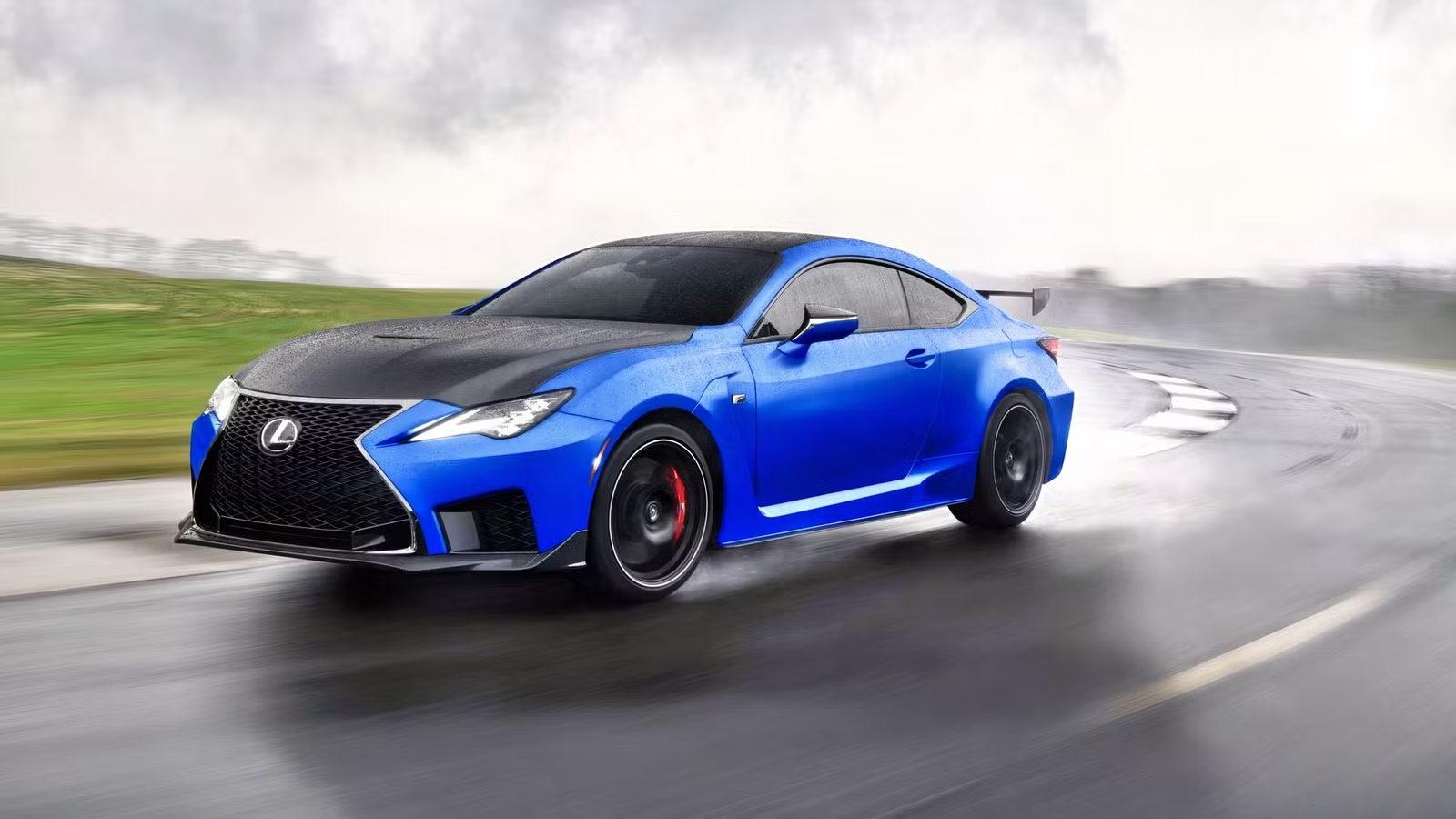
There was a time when the Lexus RC F felt like the answer to a question not many luxury performance-coupe buyers were asking. In an era when the BMW M4 and Mercedes-AMG C63 were chasing sharper lap times, harder launches, and bigger spec-sheet bragging rights, the Lexus looked almost stubbornly old-school. It was heavier than the Germans, not nearly as sharp on a racetrack, and never quite the obvious winner in comparison tests. On paper, that made it easy to overlook. In practice, though, it gave the RC F something many of its rivals have struggled to preserve with age: a personality that wasn’t built around trends.

That is exactly why the RC F feels more appealing now than it did when it was new. Its naturally aspirated 5.0-liter V8, dramatic sound, and unapologetically grand-touring character stand out even more in a market increasingly dominated by turbocharged engines, digital driving experiences, and cars that can feel clinical in their pursuit of performance. Add Lexus durability, the RC F’s relative rarity, and styling that still looks distinctive years later, and this sports coupe starts to make a different kind of sense. It may never have been the sharpest tool in the segment, but as an enthusiast car built to last, the RC F has aged with remarkable confidence.
Why Some Performance Coupes Become More Desirable As They Age
The Qualities That Matter Change Once The New-Car Comparisons End
Modern performance cars are judged by performance figures, such as lap times, acceleration numbers, and comparison-test rankings. This has led many automakers to lean hard into electronic controls, superchargers, turbochargers, and features that take the driving experience out of the driver’s hands.

Although the Lexus RC is a relatively modern car—introduced from the 2015 model year onward—it never felt like it belonged among other modern performance cars. The RC F leans into traditional qualities that make it attractive, including character, real engine sounds, reliability, and a rewarding ownership experience. Because it feels a little old-fashioned, the RC F has become more appealing to drivers seeking a classic driving experience while still enjoying modern technology.
Enthusiasts Are Beginning To Appreciate Mechanical Simplicity

As automakers chase performance figures to be the quickest, fastest, or most agile, naturally aspirated engines are becoming increasingly rare in many performance cars. The complexity of modern drivetrains has led many rivals to rely on turbocharging and hybrid systems rather than naturally aspirated power. This causes the RC F’s V8 to feel more special in the current market, offering the benefits of simplicity that can easily contribute to long-term ownership confidence.
When it first arrived on the market, the Lexus RC was offered with two engines. The Lexus RC 350 F Sport was powered by an incredibly durable 3.5-liter V6, while the Lexus RC F came with a 5.0-liter V8, which has remained part of the mix through the Final Edition model for the 2025 model year.
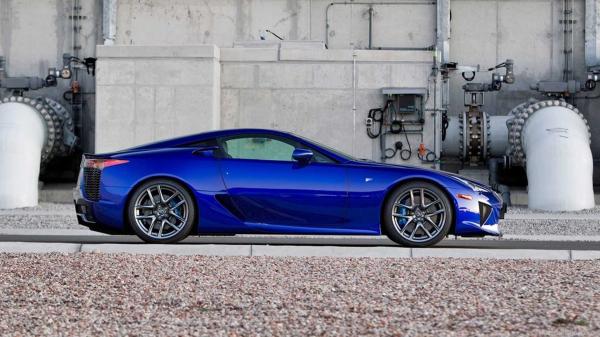
The Best Lexus Sports Cars Of All Time
A blend of precision engineering, luxury craft, and performance make for Lexus’ greatest sports cars.
The Naturally Aspirated V8 Is The RC F’s Greatest Asset
The 5.0-Liter Engine Delivers An Experience Modern Turbo Engines Struggle To Match

The 5.0-liter V8 in the Lexus RC F produced 467 horsepower and 389 lb-ft of torque in 2015. This engine was tuned to 472 horsepower later in its lifespan, but never lost its luster as a naturally aspirated engine that produced pure exhaust notes. During its lifespan, the V8 has been mated to a quick-shifting eight-speed automatic transmission, allowing the 2015 version to reach 60 mph in 4.4 seconds while posting a top speed of 170 mph. Model years with the more powerful engine achieved 4.0 seconds in the same sprint, keeping the Lexus sports coupe in the hearts and minds of many enthusiasts.
Its Soundtrack Has Become More Valuable As The Industry Goes Quiet

Some of the quickest cars on the market today can operate in near silence thanks to their electric powertrains. Electric vehicles can achieve near-instant acceleration that gas-powered cars cannot match, but this represents yet another way automakers are distancing the driver from the driving experience.
Naturally aspirated engines create distinctive exhaust notes and don’t require artificial sound enhancements to create the right feeling for drivers. Emissions regulations have altered the character of many performance cars, making them quieter and diminishing the true sports-car feel. The RC F and RC 350 F Sport deliver the sound many enthusiasts are looking for. The senses are an important part of the driving experience, and owning a Lexus RC F means engaging all of them while driving, enjoying the sound, smell, and feel of a traditional performance machine.
Reliability Has Become One Of The RC F’s Biggest Competitive Advantages
Lexus Consistency Matters More After Warranty Coverage Ends

Lexus consistently ranks among the industry’s most dependable brands, reaching the top position with JD Power in its official Vehicle Dependability Study. In fact, Lexus earned this top position for the 14th consecutive year in 2026, making a strong case for the RC F and RC 350 F Sport models.
In addition to brand reliability, the RC F is one of the most appealing sports coupes on the market because it can be less expensive to maintain and repair than many European models. The RC 350 F Sport is powered by one of the most dependable and widely used engines across the Toyota and Lexus brands. The RC 350 F Sport models cost an average of $721 per year in maintenance, and the RC F receives a 3.5 out of 5.0 for reliability from RepairPal, making it one of the most reliable luxury sports cars on the market.
The RC F’s Proven V8 Has Built A Strong Reputation

When searching for a Lexus RC F for sale, you won’t have to worry about the engine and its durability. The 2UR-GSE V8 is closely related to other engines Toyota and Lexus have used for years, and it has become one of the most durable units in use. This naturally aspirated V8 leaves drivers with fewer concerns about turbocharger wear and the reliability of associated components. Considering the complexity of modern powertrains, a simple setup with a proven track record offers long-term confidence for collectors and enthusiasts seeking a great sports coupe for track and daily driving.
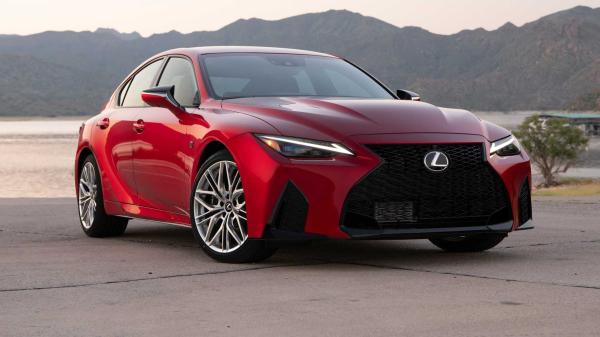
The Most Powerful Naturally Aspirated V8 Available In A Modern Sedan
With its 5.0-liter powerhouse under the hood, the IS 500 delivers an intoxicating blend of power, precision, and luxury.
Its Styling Has Aged More Distinctively Than Many Rivals
The RC F Still Looks Different In A Crowd

When Lexus introduced the RC, it was a significant hit. There had not been a sports coupe from the brand in over 15 years. Styling that made the 2015 model appealing, distinctive, and popular carried over into the Final Edition models, including the aggressive spindle grille and wide stance.
This design avoids blending in with the crowd of luxury sports coupes that seem like carbon copies of one another, regardless of brand. Having some signature styling elements allows the RC F to remain unique and offer an identity that other cars don’t possess. This is an important quality as the car ages and its lookalikes become overlooked for their undistinctive styling.
Rarity Makes The Car Feel More Special Today

The Lexus RC models were never meant to be high-volume sales models. Its highest sales year was 2015, when 14,784 versions were sold, and sales have declined since then to only 1,349 in 2025. These figures pale in comparison to BMW M models and Mercedes-AMG products. These limited production numbers make the Lexus RC F feel exceptionally special, and the Lexus RC 350 F Sport even more appealing.
Enthusiasts searching for a Lexus RC will also find the RC 200 and 300 models in the mix. From 2016 onward, Lexus offered these versions of the sports coupe, but neither has the power nor the presence of the RC 350 F Sport or RC F, which represent the top two trim and performance levels for this impressive Lexus sports coupe.
The RC F’s Grand-Touring Character Is Finally Being Appreciated
What Critics Called Weight Now Feels Like Refinement

The Lexus RC F has often been criticized for being heavier than its rivals, such as the BMW M4. That added mass allows the RC to be much more comfortable and stable on highways. While the M4 will certainly outpace the RC F on the track, on the road the Lexus excels as a daily driver and road-trip car, making it a far more appealing grand tourer with an underappreciated personality that has aged gracefully.
The Smarter Long-Term Enthusiast Choice Isn’t Always The Fastest One
The Lexus RC 350 F Sport and Lexus RC F never headlined performance benchmarks or comparison tests, but they offer the qualities that enthusiasts appreciate most. The combination of naturally aspirated engines, character, reliability, comfort, and rarity is something most rivals can’t match. These qualities lead to ownership satisfaction and enduring appeal for buyers seeking a Lexus RC F that can deliver years of driving pleasure in a car that does not require nearly as much attention as its European rivals.
The Lexus RC F never beat its German rivals by playing their game, and that is exactly why it makes more sense now than it once did. Instead of chasing the sharpest lap time or the most impressive spec-sheet headline, it leaned into things that tend to matter more with age: a naturally aspirated V8 with real character, a sense of occasion every time you start it, styling that still feels special, and the kind of long-term dependability that makes ownership easier to enjoy. It may have been the underdog when new, but years later, the RC F looks less like the compromised choice and more like the car that knew exactly what it wanted to be all along.
Sources: Lexus, Kelley Blue Book, J.D. Power, RepairPal, Good Car Bad Car

Related posts






Latest Post




No Comments