
Why Some Riders Enjoy Motorcycling More After Downsizing To A Smaller Bike
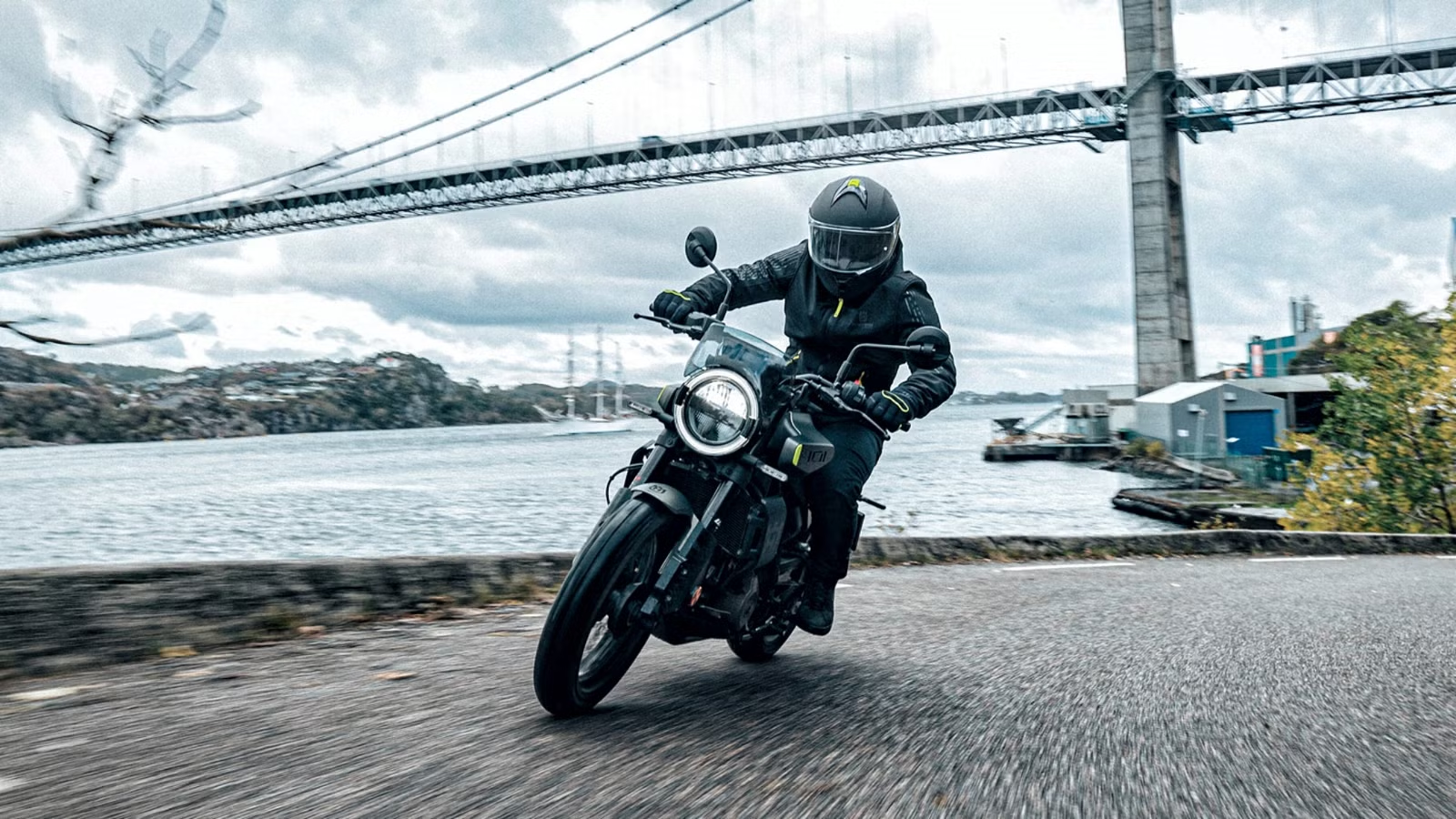
Motorcycling has always had an obsession with going bigger and faster. From the moment we start riding, there’s an unspoken expectation that we’ll eventually graduate to something more powerful, more sophisticated, and more expensive. A 300cc motorcycle becomes a 650, which eventually becomes a 900 or even a liter bike. It’s a familiar progression, and there’s nothing inherently wrong with it. But something interesting happens when experienced riders who’ve spent years chasing performance decide to go in the opposite direction. Sometimes, having less motorcycle actually makes riding more enjoyable.
The Never-Ending Pursuit Of More Performance

There’s a certain satisfaction that comes with upgrading to a bigger motorcycle. More horsepower means stronger acceleration, greater overtaking ability, and the confidence to cruise effortlessly at highway speeds. Bigger bikes also tend to come with better suspension, more sophisticated electronics, and premium components. Manufacturers have made this progression incredibly tempting, especially now that modern motorcycles deliver performance that would’ve been reserved for professional racing machines just a couple of decades ago.
But horsepower isn’t the only thing that increases as motorcycles become more capable. Weight, physical dimensions, operating costs, and the consequences of making mistakes often increase alongside performance. A motorcycle designed to excel at triple-digit speeds isn’t necessarily the most entertaining machine for navigating city streets or tackling a winding mountain road. That’s where the distinction between appreciating a motorcycle’s capabilities and actually enjoying them becomes important.
The Problem With Having More Power Than You Can Use

Modern liter-class sport bikes producing over 200 horsepower are engineering masterpieces, capable of reaching highway speeds in seconds. But on public roads, opportunities to explore that performance are extremely limited. Even experienced riders spend most of their time using a fraction of the engine’s potential, with electronics helping manage the excess power. While there’s undeniable enjoyment in owning something so capable, it raises an interesting question: what’s the point of having all that performance if you rarely get to use it?

Why Downsizing Can Make Motorcycling Fun Again

This is where smaller motorcycles begin making a compelling argument. Instead of having an enormous reserve of performance waiting to be unleashed, they encourage riders to work with what they’ve got. Throttle inputs become more deliberate, gear selection matters more, and maintaining momentum through corners becomes part of the experience. You don’t need extraordinary horsepower to have an engaging ride. In fact, reducing the amount of available performance can make the relationship between rider and machine more involving.
The appeal isn’t necessarily about returning to a beginner motorcycle, either. Middleweight nakeds, lightweight sport bikes, and smaller adventure motorcycles offer enough performance for everyday riding while remaining approachable and entertaining. Machines like the Yamaha MT-07, Kawasaki Ninja 500, and Honda CB500 Hornet demonstrate how accessible power and manageable dimensions can produce genuinely rewarding experiences. They’re not trying to dominate a horsepower contest, and that’s precisely what makes their approach so appealing.
Riding A Slow Bike Fast Vs Riding A Fast Bike Slow

There’s an old saying that riding a slow motorcycle fast is more fun than riding a fast motorcycle slowly, and there’s plenty of truth to it. Smaller bikes encourage riders to make the most of every gear, carry momentum through corners, and develop smoother throttle control. With less horsepower to compensate for mistakes, precision becomes more important. It’s an engaging way to ride that rewards technique over outright speed, allowing experienced motorcyclists to sharpen their skills while enjoying more of their machine’s available performance.
Less Weight Changes Everything

Horsepower gets most of the attention, but weight plays an equally important role in how enjoyable a motorcycle is to ride. Lighter bikes require less effort to maneuver through traffic, change direction, and negotiate tight corners. They’re also easier to park, push around, and manage at low speeds, reducing fatigue during longer rides. While heavier motorcycles often offer greater stability, the agility and responsiveness of a lightweight machine can make everyday riding and winding backroads considerably more entertaining.
Smaller Motorcycles Can Make Ownership More Enjoyable, Too

The benefits of downsizing extend beyond what happens when the wheels are turning. Smaller motorcycles generally consume less fuel, use less expensive tires, and place fewer demands on consumables such as brake pads and chains. Insurance premiums can also be lower, depending on the motorcycle and rider. While maintenance costs ultimately depend on the specific model, the financial commitment associated with owning a modestly powered motorcycle is often easier to manage.
There’s also something liberating about owning a motorcycle that doesn’t demand an elaborate occasion to enjoy. A short ride to the coffee shop, an afternoon exploring unfamiliar roads, or a spontaneous weekend trip can become worthwhile experiences without needing to justify the capabilities of an expensive performance machine. When a motorcycle is inexpensive to operate and easy to live with, there’s more incentive to use it regularly instead of reserving it for special occasions.
The Right Motorcycle Depends On How You Actually Ride

Of course, downsizing comes with compromises. Larger motorcycles remain better suited to long highway journeys, carrying passengers, and hauling luggage, thanks to their stronger engines, greater stability, and touring-oriented features. A lightweight single-cylinder bike simply won’t deliver the same long-distance comfort as a dedicated tourer. Ultimately, choosing the right motorcycle comes down to how and where you ride. Someone exploring winding mountain roads has different priorities from someone crossing several states on the interstate, and horsepower alone doesn’t determine which bike is more enjoyable.
Experience Changes What Riders Want From Their Motorcycles

Perhaps the most interesting aspect of downsizing is that it often comes after years of riding increasingly powerful motorcycles. New riders frequently associate bigger engines with progress, while experienced riders have already discovered what those machines can offer. They’ve experienced the acceleration, stability, and sophistication of high-performance motorcycles firsthand. Returning to something smaller doesn’t mean they’ve lost interest in performance. It means their priorities have evolved.
For some, that means trading a liter-class sport bike for a lightweight twin. For others, it’s choosing a middleweight adventure motorcycle over a heavyweight touring machine. The specific displacement matters less than the reasoning behind the decision. Once the excitement of owning something exceptionally powerful becomes familiar, qualities such as responsiveness, simplicity, and everyday usability can become more valuable than another increase in horsepower.
Downsizing Isn’t The Same As Downgrading

Motorcycling isn’t a competition to see who has the biggest engine or the highest top speed. Modern middleweights already offer capable suspension, strong brakes, and advanced electronics without the weight or expense of flagship machines. Ultimately, the best motorcycle is the one that suits your riding style, encourages you to ride more often, and makes every journey enjoyable. Moving up to a bigger bike teaches you what more performance can accomplish, but downsizing can reveal how much of that performance you actually need. Sometimes, less really is more.
Sources: Various Manufacturers

Related posts

Latest Post


No Comments