
The world’s most influential cars
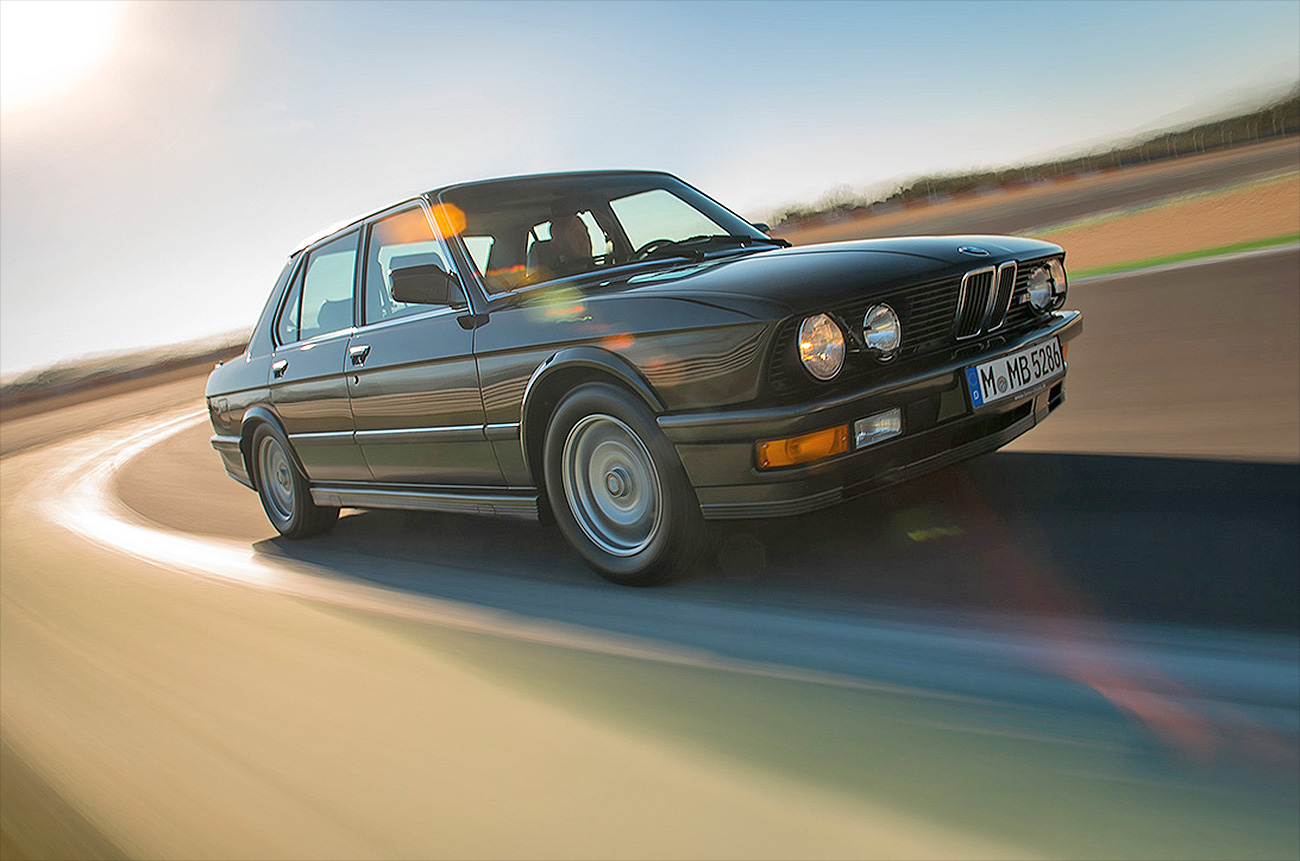
Volvo 140 (1966)
This feature could have been filled with Volvos, the company has introduced so many safety-related firsts, such as the three-point front seatbelt in 1959. In 1966 came the first crumple zones in the 140-Series; it took a while, but in time such safety features would become crucial to car buyers – and save millions of lives.
NSU Ro80 (1967)

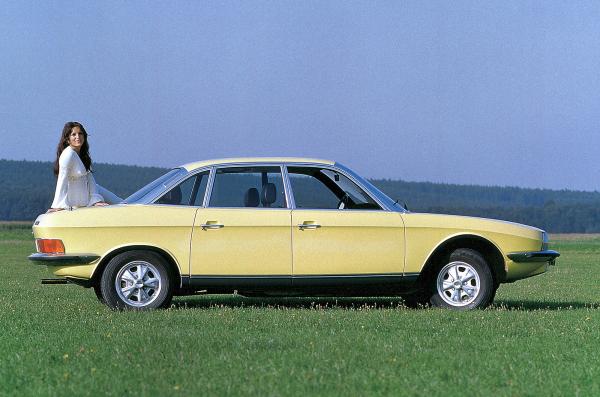
NSU had introduced its Wankel Spider in 1964, but the Ro80 was the car which took rotary engine technology and made it relatively mainstream. Sadly NSU couldn’t make the engine work reliably, and the company was bankrupted as a result, leading to a buy-out by VW. If that doesn’t sound like a great legacy, we have the Ro80 to thank for its wind-cheating design; it took aerodynamics to a whole new level.
Range Rover (1970)
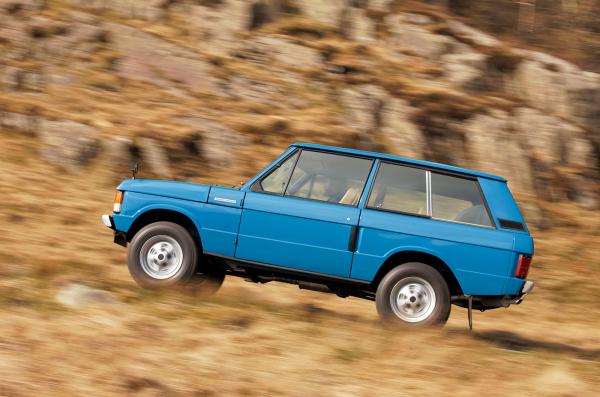

Spyker had offered a four-wheel drive car as early as 1903, but it wasn’t until the Jeep of 1941 that mass-produced 4x4s became a reality. That was the thing about four-wheel drive; it was for utilitarian vehicles. Influenced by the Jeep Wagoneer of a few years earlier, the Range Rover of 1970 took the luxury SUV recipe and moved the game on. Here was a luxury car that could go almost anywhere. Today, the Range Rover is still on top of its game and it looks like an all-new fifth generation version will continue that theme.
Triumph Dolomite Sprint (1973)
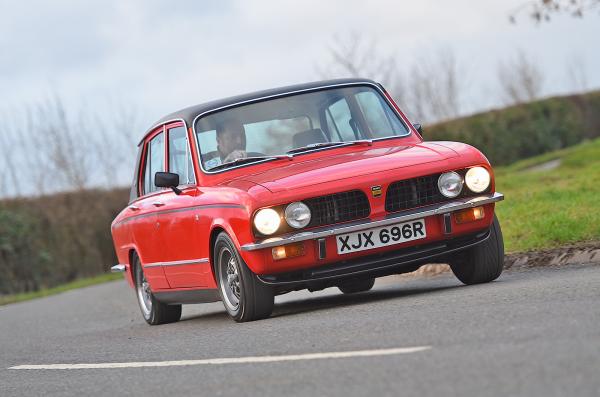
The problem with engines that feature just a pair of valves per cylinder, is that you can have either low-down torque or high-end power, but not both. Fit a quartet of valves to each cylinder, and you can have your cake and eat it – as Triumph found when it introduced the first mass-made four-valve-per-cylinder engine in 1973, in its Dolomite Sprint. Once again, it would take a while to catch on, but 16-valve engines would become the norm more than a decade later. PICTURE: late model
Volkswagen Golf GTi Mk1 (1976)
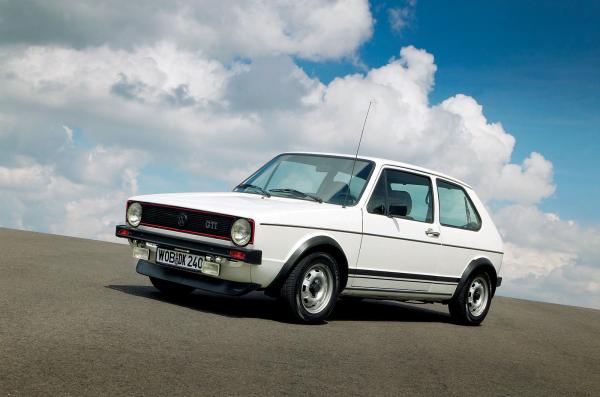
Hatchbacks were always meant to be practical family cars; the idea of crossing one with a sportscar didn’t make sense, until a team of Volkswagen engineers created a hot Golf in their spare time. When the Golf Sport was shown as a project at the 1975 Frankfurt motor show, VW’s management was taken by surprise at the reaction. The hot hatch had been born and it wouldn’t take long for a raft of imitators to arrive.

Related posts





Latest Post


No Comments