
The Lincoln Aviator Grand Touring That Humbles A Loaded X5 50e
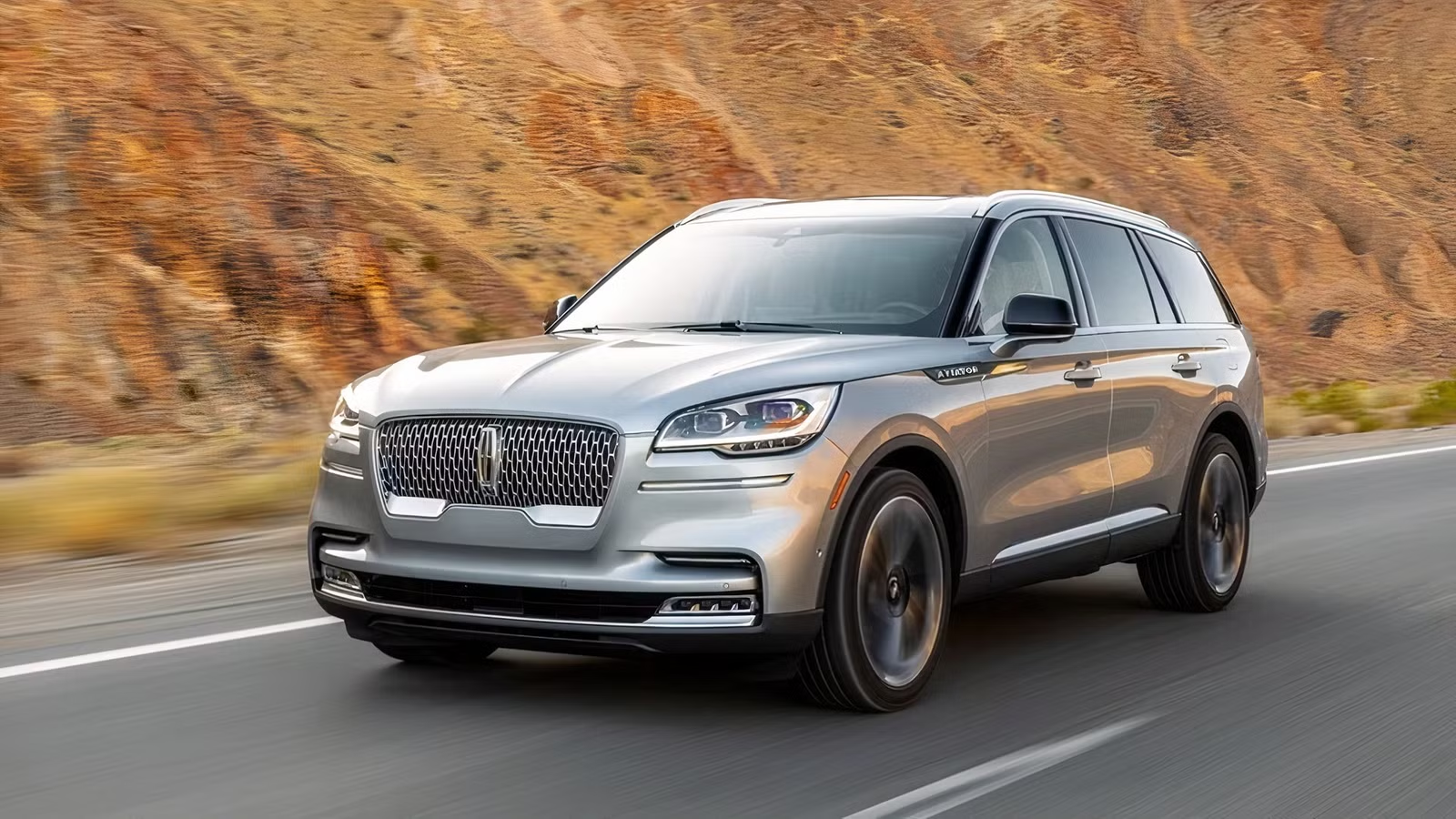
A loaded BMW X5 xDrive50e can push toward $90,000, which makes the discovery of a used American luxury SUV with more torque all the more inconvenient. Suddenly, the German badge has to explain a considerable price difference instead of letting its reputation do the talking. The uncomfortable question is how much better your daily drive actually becomes after spending tens of thousands more.

The Lincoln Aviator Grand Touring makes that question worth asking, but its story needs the correct timeline. This is the discontinued plug-in hybrid sold through the 2023 model year, not a returning 2026 model. Against a new 2026 X5 xDrive50e, it offers a compelling used-value argument, although its bigger torque figure comes with several important asterisks.
A Luxury Badge Gets Harder To Defend When The Price Gap Widens
Depreciation Changes Which SUVs Belong On Your Shopping List
At the time of research, Cars.com listed a nationwide average asking price of approximately $43,300 for the 2023 Aviator Grand Touring AWD. That is a market snapshot, not a guaranteed transaction price or a promise of pristine condition. Mileage, options, accident history, and remaining coverage can move an individual example considerably above or below it.
The Fair Comparison Starts With What Your Money Buys


A used-versus-new comparison needs its differences left visible. The Lincoln brings previous ownership and an aging warranty clock, while the BMW offers a fresh ownership history and new-vehicle coverage. Pretending those advantages have no value would make the price comparison look stronger and the buying advice weaker.
Still, the gap is substantial enough to earn attention before a test drive. You are comparing two powerful AWD plug-in luxury SUVs that can carry a family and handle long-distance travel, even though their seating layouts differ. The question is whether the BMW’s advantages justify its additional cost for your particular routine.
The Aviator Grand Touring Brings 630 Lb-Ft Of Torque To The Argument
Lincoln’s Hybrid System Was Built For More Than Fuel Savings

The 2023 Aviator Grand Touring combines a twin-turbocharged 3.0-liter V6 with an electric motor, a 10-speed automatic, and AWD. Its combined output reaches 494 horsepower and 630 pound-feet of torque. The 2026 X5 xDrive50e counters with a turbocharged inline-six hybrid system producing 483 horsepower and 516 pound-feet of torque.
An 11-horsepower difference barely deserves an argument, but an additional 114 pound-feet of torque gets your attention. It gives the Lincoln a muscular specification for the money, although system torque is not a measurement of acceleration at the wheels. Gearing, response, available electric assistance, and vehicle weight available electric assistance.
Published Acceleration Tests Keep The Bragging Honest

Car and Driver recorded a five-second run to 60 mph and a 3.3-second 50–70-mph passing time in a 2020 Black Label Grand Touring. Those are historical results for that specific test vehicle, not fresh measurements of a used 2023 example. They nevertheless establish that this powertrain can deliver genuinely brisk highway performance.
The BMW remains the quicker proposition in published testing: Car and Driver’s 2024 xDrive50e reached 60 mph in 3.9 seconds. Neither test is a direct 2023-versus-2026 showdown, but the evidence defeats any claim that Lincoln’s higher torque automatically wins the stopwatch contest. On your test drive, assess passing response, shift delays, and gasoline-electric transitions rather than expecting the larger number to settle everything.
The Lincoln’s Practical Advantage Starts In The Second Row
Rear-Seat Measurements Matter More Than Exterior Presence

The 2023 Grand Touring offers 39.0 inches of second-row legroom, compared with 37.4 inches in the 2026 X5 xDrive50e. Its 61.3 inches of rear shoulder room also exceeds the BMW’s listed 58.1 inches. Those figures support a tangible space argument, although actual comfort still depends on seat shape and front-seat position.
Look closely at the Lincoln’s seating configuration before comparing it with the BMW’s five-passenger layout. Captain’s chairs provide a different experience from a rear bench, particularly when your usual passengers are two adults rather than three children. Upholstery condition and seat operation deserve equal attention; a sophisticated seat with a broken adjustment motor is an expensive place to sit awkwardly.
Folding Seats Reveals The More Useful Cargo Comparison

With its third row folded, the Aviator provides 41.8 cubic feet of cargo space behind the second row. BMW lists approximately 33 cubic feet for the xDrive50e with the rear seats upright, while the maximum capacity is 71.2 cubic feet. The Lincoln expands to 77.7 cubic feet with both rear rows folded.
Use every Lincoln seat and luggage room drops to 18.3 cubic feet, so its extra seating is flexibility rather than free space. The larger footprint also carries over into parking lots: the Aviator measures 199.3 inches long, compared with roughly 194.3 inches for the BMW. Your garage does not care how persuasive the cargo argument sounded at the dealership.
A Well-Equipped X5 Shows How Quickly The Numbers Separate

A 2026 xDrive50e advertised by BMW Seattle had an MSRP of $87,985, with M Sport, Premium, Parking Assistance, and Driving Assistance Professional packages listed among its equipment. Compare that with the roughly $43,300 Cars.com average for a 2023 Grand Touring, and the difference approaches $44,700. That is a specific new-vehicle sticker against a used-market average, not two identically equipped vehicles.
The BMW’s Best Reply Begins When You Plug It In
More Electric Range Can Outweigh More Torque


The 2023 Grand Touring has a 21-mile electric range, while BMW advertises up to 38 miles for the 2026 X5 xDrive50e. That is a meaningful separation for a plug-in buyer. A roughly 30-mile daily route may fit inside the BMW’s advertised electric capability while exceeding the Lincoln’s, although weather, speed, and battery condition affect both.
The Lincoln’s published gasoline-mode combined economy is 23 mpg, which also makes clear that its plug is part of the ownership proposition. You need access to charging and a realistic driving pattern to judge fuel savings. Calculate electricity and gasoline costs using your own rates; attaching a charging cable does not automatically make a powerful luxury SUV cheap to operate.
Buy The Savings Only After Verifying The Vehicle
Before committing, pay for an inspection that includes hybrid diagnostics, charging operation, transmission behavior, and suspension condition. Check the VIN for open recalls and obtain evidence of completed repairs. Certain 2020–2022 Aviator PHEVs were included in battery recall 23V626, making model-year and VIN specificity essential when considering earlier examples.
The Aviator Grand Touring humbles the loaded X5 most convincingly when the conversation turns to capability per purchase dollar. It offers substantial torque, useful cabin space, and a distinctive luxury experience at a dramatically lower used price, while the BMW answers with stronger tested acceleration, longer electric range, and the advantages of buying new. Buy the Lincoln when its condition supports the savings, and leave part of those savings available for the vehicle, rather than spending the entire victory before the first service visit.
Sources: Lincoln, Edmunds, Cars.com, BMW, Car and Driver, NHTSA

Related posts




Latest Post


No Comments