
The Harley-Davidson That Could Be One Of The Best Used Cruisers Today
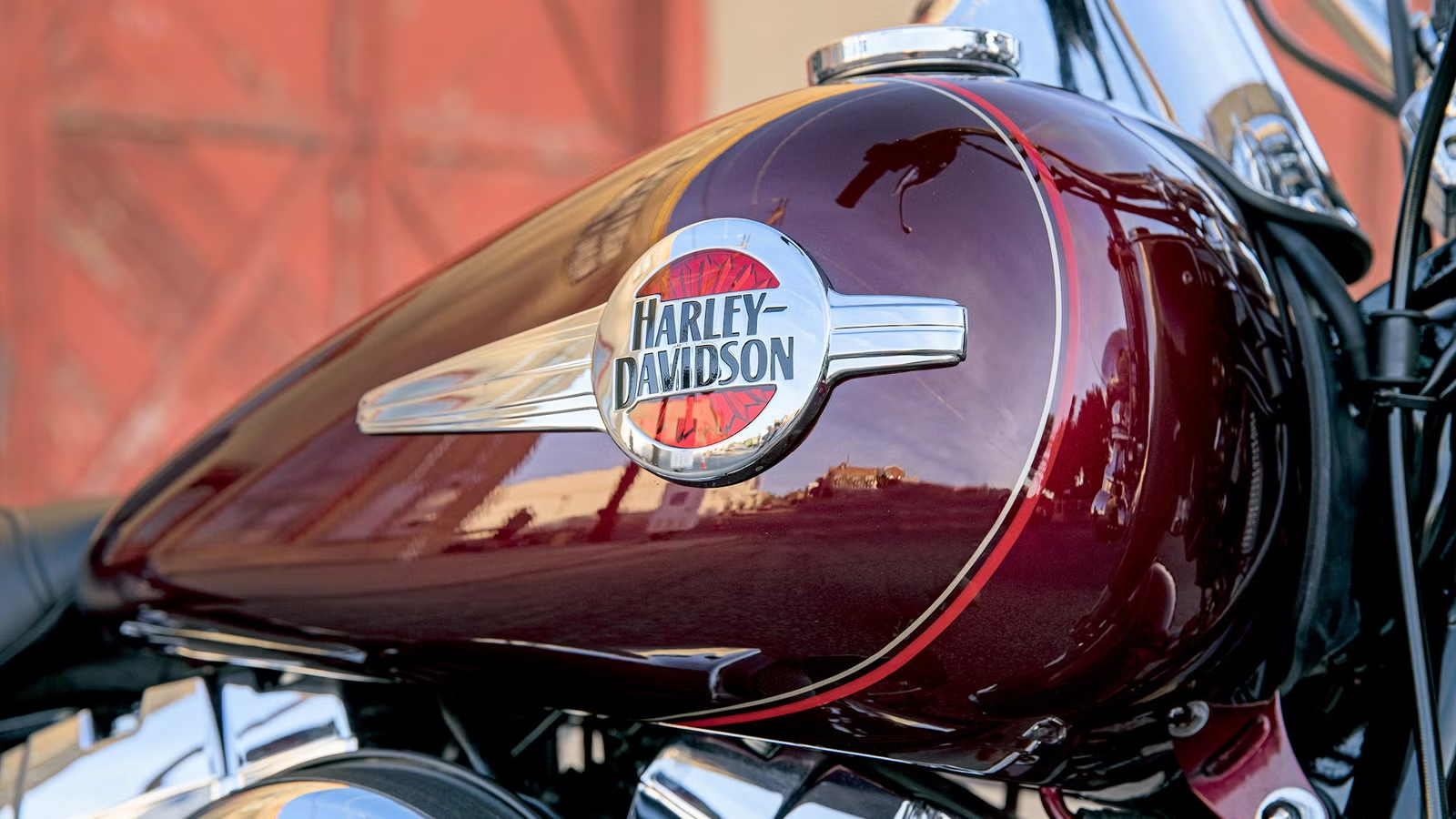
A new Harley-Davidson can be an expensive proposition, but buying used opens the door to big-twin performance, classic styling, and genuine long-distance capability for considerably less money. The trick is finding a motorcycle that delivers more than just the right badge on the tank. A good used cruiser should offer the right combination of mechanical soundness, everyday usability, comfort, and equipment without demanding a fortune to bring it up to the standard its next owner expects.
What Makes A Used Harley-Davidson Worth Buying?

A used cruiser has to offer more than a lower price than a new motorcycle. It needs to deliver the riding experience the buyer wants without requiring so much catch-up maintenance or added equipment that the apparent bargain disappears. With Harley-Davidson, that means looking beyond displacement and styling to consider the engine’s character, the transmission, comfort, and what comes with the motorcycle from the factory.
The Twin Cam era is a useful place to start. Many Harley-Davidson cruisers from the 2000s and 2010s combine air-cooled V-twin character with fuel injection, belt final drive, and, on later models, six-speed transmissions. Those features make them appealing to riders who want a traditional Harley without stepping back to the older technology of earlier generations. The exact year matters, though, because engine updates and equipment varied across model families.
Factory Equipment Can Make The Difference

Equipment is another consideration. A windshield, passenger accommodations, floorboards, and factory saddlebags can add real value to a motorcycle intended for longer rides. Buying a stripped-down cruiser and adding those items later can narrow the price difference between it and a better-equipped model.

Condition still comes first. A well-maintained motorcycle with documented service history is generally a better proposition than a cheaper example with questionable modifications, neglected maintenance, or obvious signs of hard use. The goal is to find a Harley that delivers the right mix of character, capability, and equipment at a price that makes sense.
Two Other Harleys Worth Considering
The Dyna Street Bob Keeps Things Simple

Two models illustrate how different Harley-Davidson cruisers can make a compelling case as used purchases: the Dyna Street Bob and the Road King. The 2006–2017 Dyna Street Bob is the stripped-down choice. Its minimalist styling and relatively uncomplicated equipment appeal to riders who would rather spend their money on the motorcycle itself than on touring accessories they may never use. The Dyna platform also offers a substantial aftermarket, giving owners room to personalize the bike over time. From 2012, the Street Bob received the Twin Cam 103, adding displacement over the earlier Twin Cam 96 models. That extra torque is useful when accelerating onto a highway or pulling through a taller gear without constantly shifting.
The Road King Is Built For Longer Rides

The 2009–2016 Road King makes a different argument. Its touring-oriented chassis, hard saddlebags, and detachable windshield provide more long-distance practicality straight from the factory. The 2014 model, for example, originally listed for $19,454, putting it in roughly the same new-bike price bracket as the Heritage Softail Classic. Its used appeal comes from getting substantial touring capability without buying a full-dress motorcycle with a large fairing and extensive electronics.
Neither is a wrong choice. The Street Bob suits riders who value simplicity and a more stripped-down feel, while the Road King makes more sense for covering miles with luggage. The question is whether a buyer can find a motorcycle that balances those priorities without paying for more bike than needed.
The Heritage Softail Classic Makes Its Case

The 2000–2017 Heritage Softail Classic occupies a useful middle ground between the Street Bob’s stripped-down approach and the Road King’s touring emphasis. It has the traditional Harley-Davidson silhouette, but it also comes equipped for the kind of riding many owners actually do: weekend trips, two-up cruising, and longer days on the highway.
Its factory equipment is a big part of the appeal. The windshield helps take some pressure off the rider’s chest, the leather saddlebags provide space for everyday necessities or overnight gear, and full-length floorboards offer a relaxed foot position. The Softail chassis hides its rear shock absorbers, preserving the hardtail-inspired appearance without giving up rear suspension. It’s a practical combination of old-school looks and more contemporary engineering.
Three Twin Cam Generations To Choose From

The engine changed during this generation, so buyers should pay attention to the year. Models from 2000–2006 used the Twin Cam 88B, 2007–2011 examples received the Twin Cam 96B, and 2012–2017 versions used the larger Twin Cam 103B. The 2012 update is appealing because the 103-cubic-inch engine and six-speed Cruise Drive transmission give the bike useful flexibility when carrying a passenger or luggage, but 2016 upgrades are a stronger reason to target the later model years. That versatility is the Heritage’s strongest argument. It doesn’t need to be the lightest, cheapest, or most touring-focused Harley to make sense. It simply needs to do enough things well that an owner can enjoy it without immediately wishing they’d bought something else.
What A Used Heritage Softail Classic Costs Today

The used market makes the Heritage Softail Classic an appealing option for riders who want traditional Harley-Davidson styling without paying new-bike prices. Current Harley-Davidson Marketplace listings suggest that 2016 and 2017 examples generally fall in the $9,000 to $13,000 range, depending on mileage, condition, and dealer pricing. That’s a substantial reduction from the 2017 model’s original $17,549 starting MSRP and an even bigger reduction from the 2026 MSRP of $19,999, leaving room in the budget for riding gear, maintenance, or personal touches.
Year matters, though. Harley-Davidson’s Project RUSHMORE introduced major touring improvements for the 2014 model year, and some of that broader push toward better performance and convenience eventually reached the Heritage Softail Classic. The 2016 model received a High Output Twin Cam 103B engine, electronic throttle control, standard cruise control, and redesigned saddlebags with improved internal support. Those changes make 2016–2017 examples particularly appealing to riders who want the Heritage’s traditional styling with more modern touring convenience.
What To Check Before Buying

Even earlier Heritage models deserve consideration, particularly for buyers prioritizing purchase price over the latest features. The windshield, leather saddlebags, floorboards, and passenger accommodations give the motorcycle useful touring capability straight from the factory. However, a lower asking price isn’t automatically a better deal; service history, tire condition, deferred maintenance, and modifications can quickly change the ownership equation.
For riders seeking one Harley-Davidson that can handle everyday cruising and occasional longer trips, the Heritage Softail Classic remains a compelling used-bike choice. The 2016–2017 models are especially attractive for their combination of traditional styling, big-twin character, and added touring convenience, while earlier versions offer another route into the same classic Softail experience.
Source: Harley-Davidson, Harley-Davidson Marketplace

Related posts

Latest Post


No Comments