
The American Motorcycle That Quietly Gets Better With Age
Ask a rider what happens to a motorcycle after a decade, and you’ll hear a similar story – faded paint, dated technology, and a resale value that’s not worth discussing. Most machines only work flawlessly if you take great care and maintain them regularly. However, there are a few motorcycles that only seem to get better with time. These are the motorcycles that give you a riding experience beyond spec sheets and features. One such American cruiser seems to be aging very well over the years.
The Three Things That Separate A Classic From A Dated Relic

American cruisers don’t play by the same rules as the rest of the motorcycle world. A big V-twin and a wall of chrome will get a bike noticed at a bike night, but that’s not what keeps it relevant even a decade later. What actually matters is a design that only feels timeless with age, an engine that is dependable and characterful, and a build quality that can sustain years of actual riding. And, most importantly, a reliable motorcycle — a motorcycle that has been regularly maintained — works like it is new.
The Harley-Davidson Fat Boy Keeps Impressing You For Years

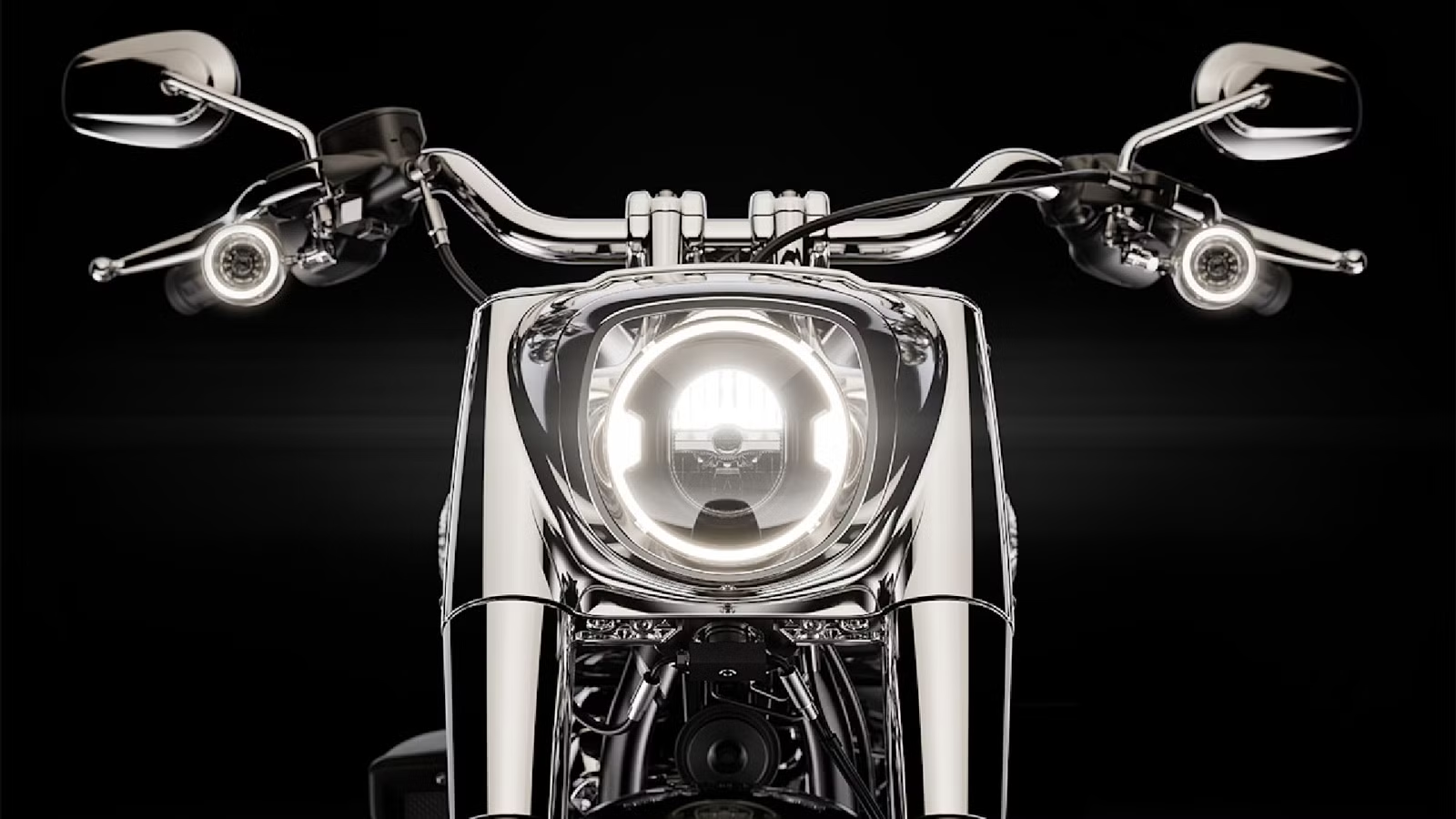
The Harley-Davidson Fat Boy has been part of the Soft tail lineup since 1990. Over the years, it has become one of the most recognizable motorcycles on the road, and one of the most popular and iconic Harleys ever. Solid disc wheels, a wide front tire, and a muscular fuel tank give it a silhouette that doesn’t need a badge to be identified. What makes the Fat Boy stand out isn’t a particular feature, but how consistently it delivers the same riding experience along with the convenience and reliability of a Japanese motorcycle.
A Design That Has Barely Changed Since 1990


Walk through a Harley dealership today, and you’ll notice something quite interesting – a motorcycle from the 1990s. Same iconic design elements, same silhouette, and a heritage-inspired design that still works even 36 years later. And that’s not a lack of effort. It’s the result of a manufacturer getting it right the first time, and not trying too hard to match modern standards. Over the years, the Fat Boy has evolved in terms of rider aids and features underneath while still keeping the iconic design formula intact.
One Movie Scene Put The Fat Boy On The Map — Then It Earned The Rest Itself

The Fat Boy’s biggest boost in visibility came from its appearance in Terminator 2: Judgment Day, where Arnold Schwarzenegger rode one through a drainage canal in an iconic scene. That single moment introduced Fat Boy to an audience far beyond Harley loyalists. Ever since, the Fat Boy has been one of the most iconic Harley-Davidson motorcycles, and the motorcycle has only gotten better, building a great reputation all by itself. Rather than becoming an icon simply because of the film, the Fat Boy gained popularity on its own merits.
The Milwaukee-Eight 117 Delivers Muscle That Matches Its Looks

Underneath the unmistakable shape sits a 1,923cc Milwaukee-Eight 117 V-twin engine, producing 103 horsepower and 126 pound-feet of torque. To back up the mighty design, the Milwaukee-Eight delivers impressive low-end and mid-range grunt – power and torque that is actually usable. Harley has tuned the bike for effortless highway cruising as well as punchy performance in city traffic. This is the strongest engine the Fat Boy has ever had, and it sits perfectly in line with the character and demeanor of the motorcycle.
American Power With Japanese-Like Reliability

Big American V-twins have long carried a reputation for running hot and shaking hard, a trade-off riders simply accepted in exchange for character. The Milwaukee-Eight, however, quietly closes that gap. Oil-cooled cylinder heads and a dedicated radiator keep temperatures manageable even in stop-and-go traffic, while years of internal refinement have dialed out the vibrations by a decent margin. Put together, you get an engine that still delivers American grunt but with mindful engineering to ensure greater reliability and refinement, paired with an iconic silhouette.
Underpinnings That Focus On Simplicity And Longevity

The Fat Boy’s underpinnings follow the same philosophy as everything else on the bike: keep it simple, and it’ll keep working. This motorcycle still runs on the Softail platform from Harley, with a 49mm dual-bending valve fork at the front and a preload-adjustable mono shock at the rear. A low-slung structure, wide tires, and wide handlebars contribute to a comfortable riding experience.
These simple underpinnings result in easier maintenance, encouraging more riders to keep their bikes for years without hesitation. What’s worth noting is that these simple underpinnings don’t compromise the build quality and features on this motorcycle.
Modern Features Hide Underneath The Old-School Design

Underneath the old-school heritage-inspired design, Harley-Davidson has managed to enclose all the modern features. A five-inch analog speedometer houses a digital display that tracks gear position, fuel level, TPMS, and cruise control status without cluttering the classic gauge. Selectable ride modes sit a thumb-press away, and full LED lighting front to back ensures modern visibility standards. None of it announces itself unless you go looking for it, which is exactly the point of updating a bike without disturbing what made it recognizable.
Rider Aids That Work In The Background

While all you see is an iconic silhouette adorned in chrome rumbling down the streets, Harley’s rider aids are quietly working in the background. ABS, traction control, and drag-torque slip control with cornering-sensitive features ensure a safe and composed riding experience. However, these rider aids are not overly intrusive and in no way hamper the raw riding experience. All these features act as a safety net, allowing riders to enjoy the ride, knowing they have enough to fall back on when the riding conditions aren’t ideal.
How The Fat Boy’s Ownership Experience Only Gets Better

Long-term Harley ownership has a reputation of its own, and much of it traces back to how deep the brand’s dealer and parts network runs. Owners of newer 117-powered bikes report drama-free mileage, with many clearing 15,000 to 20,000 miles on nothing more than routine servicing. Nearly every dealership in the country stocks Softail-compatible parts, and the aftermarket for the Fat Boy specifically is enormous, covering exhausts, seats, and suspension.
With the reliable Milwaukee-Eight, plenty of aftermarket resources, and great after-sales service, owning a Fat Boy is easier than one might think. A reliable, characterful and handsome motorcycle deserves to be kept for years, and the Harley-Davidson Fat Boy ticks all the boxes.
This Might Be The Best Long-Term Harley-Davidson Softail You Can Buy

Add it all up, and the Fat Boy isn’t just a Harley that photographs well. It’s a motorcycle built around a shape that hasn’t needed a redesign in over three decades, an engine that keeps getting more refined without losing its character, and a dealer network deep enough to make ownership genuinely painless.
That combination is exactly what turns buyers into loyalists. Every cruiser on the market has a heritage-inspired design and comfortable cruiser ergonomics. However, the Fat Boy is one of the few cruisers that delivers consistently over years and years of riding, without asking for much in return.
Sources: Harley-Davidson

Related posts
Latest Post


No Comments