
Speed Academy Is Building a Lexus GS 430 to Take Down Germany’s Best—Here’s Why That Engine Makes It Plausible
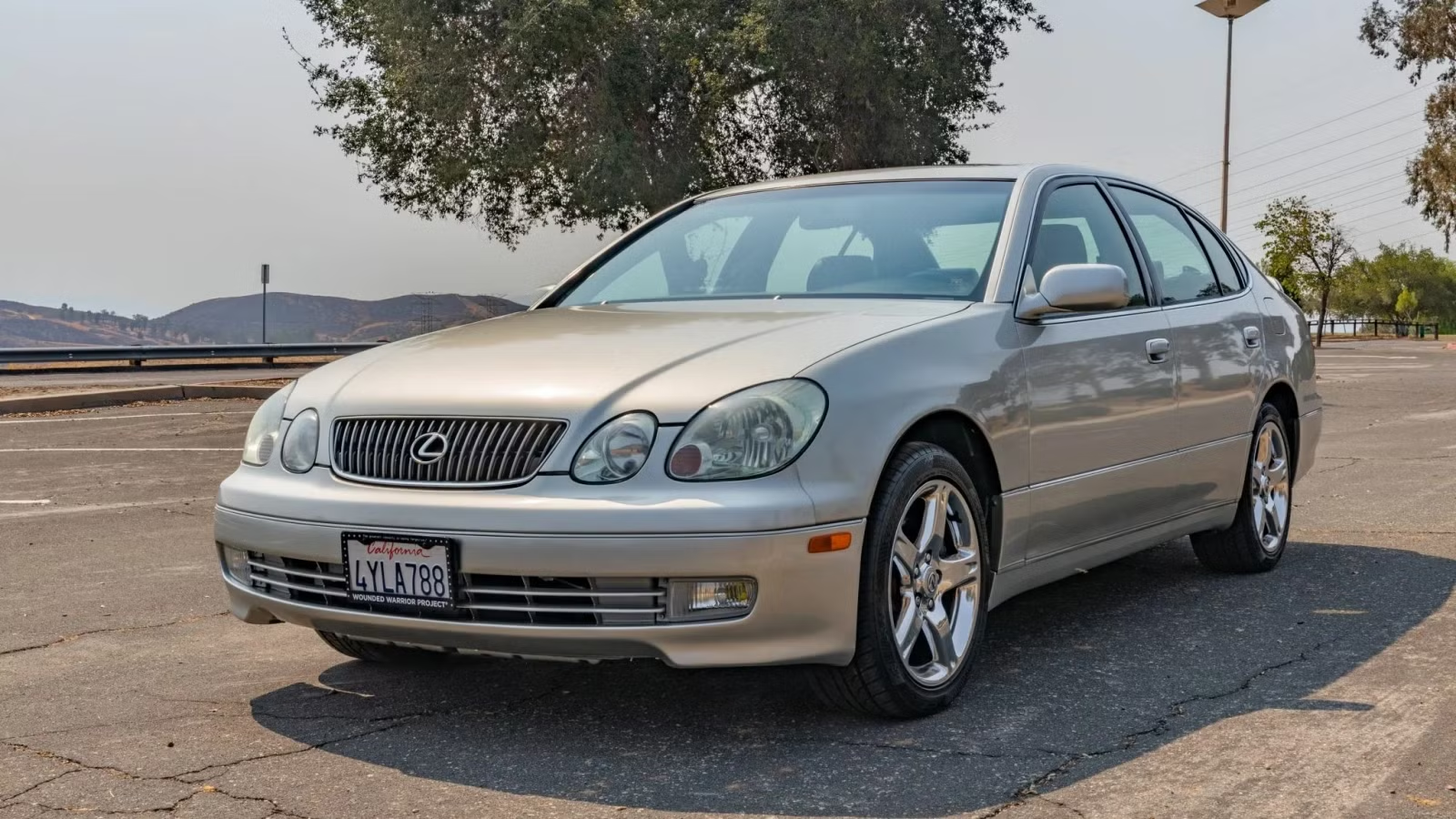
Speed Academy—the Canadian build channel run by Peter Tarach and Dave Pratte—has officially revealed its next project: a Lexus GS 430 built specifically to outrun German sport sedans. Announced on June 24, 2026, the project frames a mid-2000s Japanese luxury sedan as a credible threat to the established performance hierarchy, and the argument starts under the hood.

The platform choice isn’t random. The GS 430’s 3UZ-FE V8 has earned a quiet cult following in the tuning community for reasons that go well beyond its factory output. This is a build that bets on engineering headroom over factory pedigree—and the case for it is stronger than the understated bodywork suggests.
Why The 3UZ-FE Is The Right Engine For This Fight
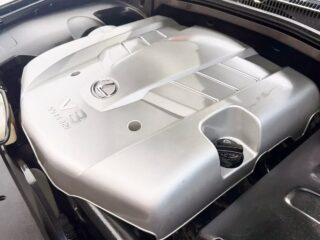
The 4.3-liter 3UZ-FE is one of Toyota’s over-engineered masterpieces from an era when the company built things to last well beyond any reasonable expectation. The bottom end is the key selling point: forged internals, a robust block, and a conservative factory tune that leaves substantial room on the table. Toyota rated the engine at 290 horsepower in the GS 430, a figure that serious tuners have long recognized as a floor rather than a ceiling.

That conservatism is exactly what makes the 3UZ-FE attractive for a forced-induction build. The rotating assembly doesn’t need to be rebuilt before boost is applied—it was already built for more. The engine shares its lineage with Toyota’s motorsport programs, and its architecture has proven receptive to both supercharger and turbocharger setups in the tuning community. For a team like Speed Academy, that means the path to meaningful power gains doesn’t require tearing the engine down to bare metal before the fun starts.
The German Benchmarks And What It Takes To Beat Them
Speed Academy’s stated goal is to outrun German sport sedans—the class that includes BMW M5s and M3s, Mercedes-AMG E63 and C63 variants, and Audi RS6 and RS4 models from the GS 430’s era and beyond. These are cars that left the factory with serious performance credentials and have well-documented tuning ecosystems of their own.
Beating them isn’t just about peak horsepower. The GS 430 needs to be competitive on a track or in a straight-line context where lap times or elapsed times are the honest measure. That means the build has to address not just power output but also suspension, braking, and weight management—areas where the GS 430’s luxury-sedan origins create both challenges and opportunities. The car is relatively light for its class and sits on a platform with solid geometry, which gives Tarach and Pratte a workable foundation.
The Most Powerful Naturally Aspirated V8 Available In A Modern Sedan
With its 5.0-liter powerhouse under the hood, the IS 500 delivers an intoxicating blend of power, precision, and luxury.
The Sleeper Angle Is Part Of The Point
The GS 430 was never sold as a performance car. Lexus positioned it as a smooth, refined alternative to the German luxury sedans of its day—comfortable, quiet, and deliberately understated. It never wore an F badge. It never got the marketing treatment that BMW gave the M5 or Mercedes gave the AMG line. That anonymity is now an asset.
A GS 430 pulling away from an M5 at a track day reads very differently than one purpose-built performance car beating another. The sleeper narrative is genuine here—this isn’t a car that announces its intentions. Speed Academy is leaning into that framing, and it’s the right call. The GS 430’s plain-suit appearance makes the competitive ambition more interesting, not less credible.
What Speed Academy Has Confirmed So Far
The build reveal, published through Speed Academy’s platform on June 24, establishes the project’s direction: a GS 430 modified to challenge German sport sedans, with the 3UZ-FE V8 as the foundation. Peter Tarach and Dave Pratte are the builders behind the project, as they are with all Speed Academy builds.
Specific power targets, forced-induction strategy, and a detailed build timeline had not been fully disclosed at the time of the announcement. As with most Speed Academy projects, the expectation is that the build will be documented in stages—which means the specific modifications, dyno targets, and competitive benchmarks will come into sharper focus as the project progresses. The reveal itself is the starting gun, not the finish line.
The 3UZ-FE has been waiting for a project like this. It’s an engine that was overbuilt for the job it was given, and Speed Academy is finally asking it to do something worthy of that construction. Whether it can genuinely embarrass a well-sorted M5 or RS6 on a track remains to be proven—but the platform argument is sound, and the team has the credentials to execute. This one is worth watching.
Sources: TTAC

Related posts




Latest Post


No Comments