
Lessons in survival: Merc’s Joachim Zahn showed car makers how to beat a crisis
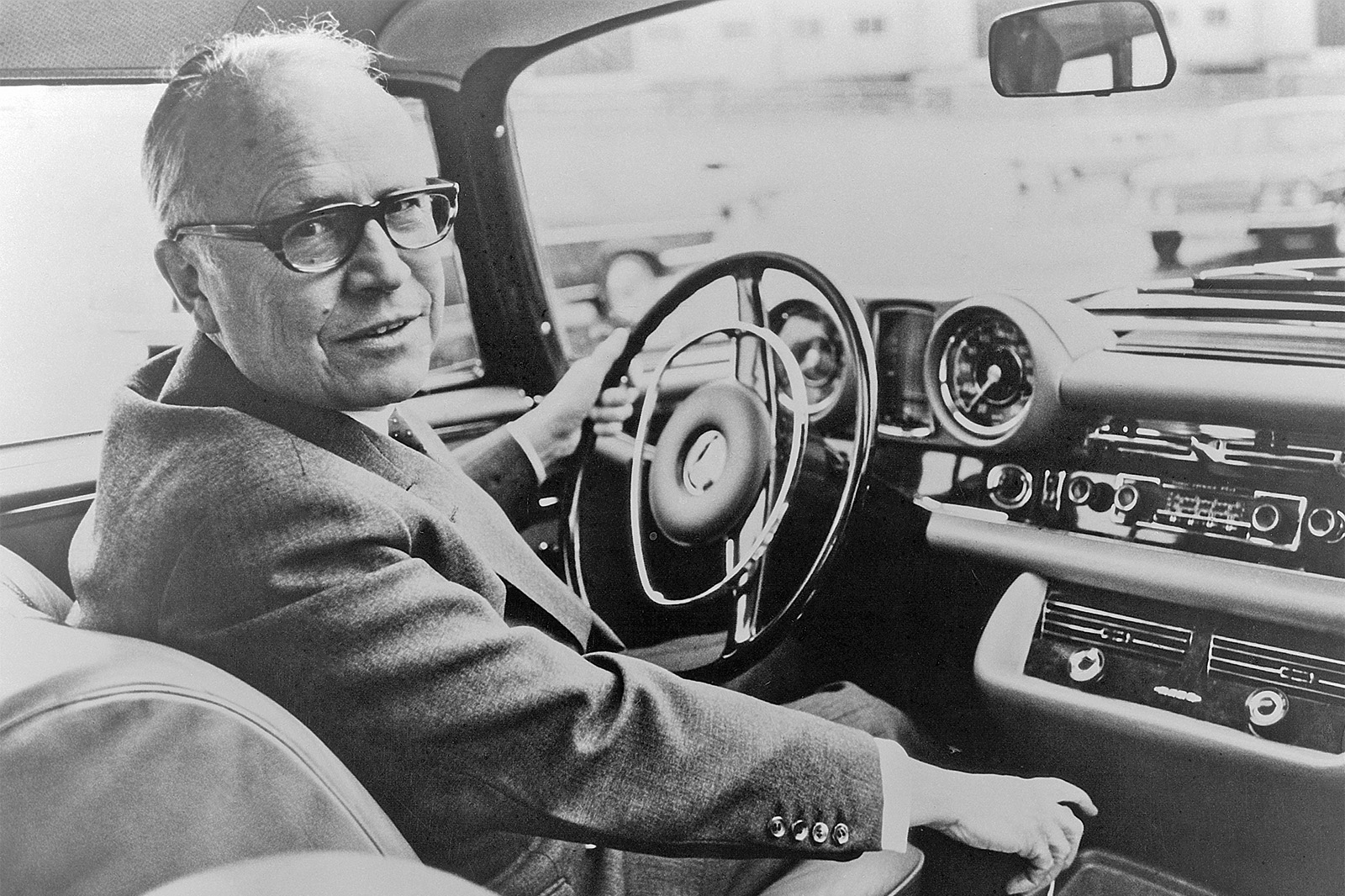
Yet the industry’s biggest problem of all, he felt, was that “government neutrality towards the car has become hostility and is often based on demagogy. You find it everywhere in varying degrees: speed limits, traffic limitations, parking limitations, safety and pollution rules, fiscal rules…”
Actually, something even worse was just around the corner: an oil crisis (Autocar, 29 April). Mercedes’ German order books in December 1973 were 60% down on normal levels, autobahns were limited to 62mph and there were even four Sundays when driving was banned.

Many predicted the end of large, luxury and sports cars as oil prices stayed high even after conflict in the Middle East ended, spurring many makers to hurriedly create small cars – but Mercedes wasn’t among them, Zahn believing that “‘small’ is not synonymous with ‘economical’” and diesel power was a wiser bet.
In any case, he was still preoccupied with the problem of overcapacity, predicting: “We will soon find out that investment mistakes have been made by those who based their future projections on the expansion rates of the ’60s.”
That didn’t mean he was against growth, though: rather he believed that “growth for growth with no other consideration is a dangerous philosophy, but politicians and intellectuals who advocate zero growth have no idea of the social and political tensions that would be created by a stop of all expansion and of all the dramatic changes it would impose on our world.”


Related posts



Latest Post


No Comments