
Why The ‘Worst’ 911 Still Slips Under $30,000 With The Bearing Fixed
The modern automotive market is caught in a strange paradox: we live in an era when a modern hot hatch can easily reach the $45,000 mark, and modern performance cars are filled with thick layers of electronic assistance and digital screens. They are usually powered by a turbocharged four-cylinder engine, which fails to ignite a passion for driving, unlike the engines of a bygone era.

This all leads to an isolated experience for the enthusiast behind the wheel. Enthusiasts hunting for a visceral, analog driving experience have one option left: the classic car market. Even there, only to find the prices of classic analog air-cooled cars have reached the sky. This leaves everyday enthusiasts in a kind of no man’s land.
Yet hidden in plain sight, there is an option that the market has rejected for a decade: an option that allows you to park a prestigious Porsche badge with over 300 horsepower in your garage, a car that hits 60 mph in just 4.8 seconds with a 170 mph top speed for the price of just a base-model commuter car. So what is the catch? The online automotive community has spent two decades making a joke of it, but if you look closely, ignore the jokes, and review the repair invoice, you will be rewarded with the best-kept secret on the market today.
The Extinction Of Analog Performance Bargain

Finding a car that gives a pure mechanical connection today on a budget is almost impossible. For years, the recipe for affordable performance was simple: find a depreciated European sports car or a domestic V8, put up with a few cosmetic flaws, tolerate loose trim pieces and maybe a torn seat cover, and enjoy the performance and engineering at a fraction of the cost. But now the market seems to have caught on: cars that used to be $20,000 are now treated as gold and stored away by collectors.
The cars are the same, but unfortunately for budget enthusiasts, the culture has changed: clean, analog vehicles have become commodities. This artificial scarcity has forced the enthusiasts into a corner. The enthusiast can either buy modern cars and compromise on raw performance, buy sterile cars with high monthly payments, or get a used high-mileage example that will drain their wallet dry.
True sleeper car enthusiasts, the ones who care more about engineering than a particular image attached to the machine, are left searching for a vehicle that is sometimes greatly misunderstood by the larger automotive world.
The Short-Lived Sports Car That Deserves A Comeback
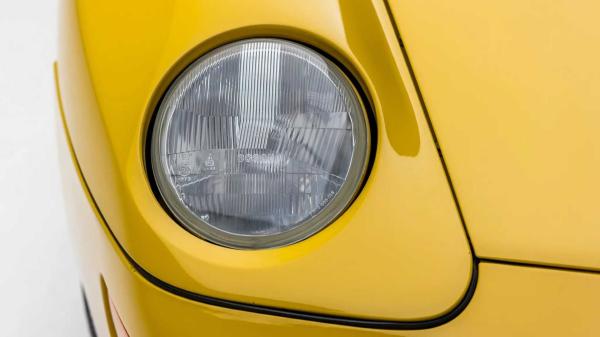
The Porsche 968 Club Sport was cheaper than the standard model despite being a lightweight, hardcore special edition.
The Single Flaw That Blinded The Automotive Market

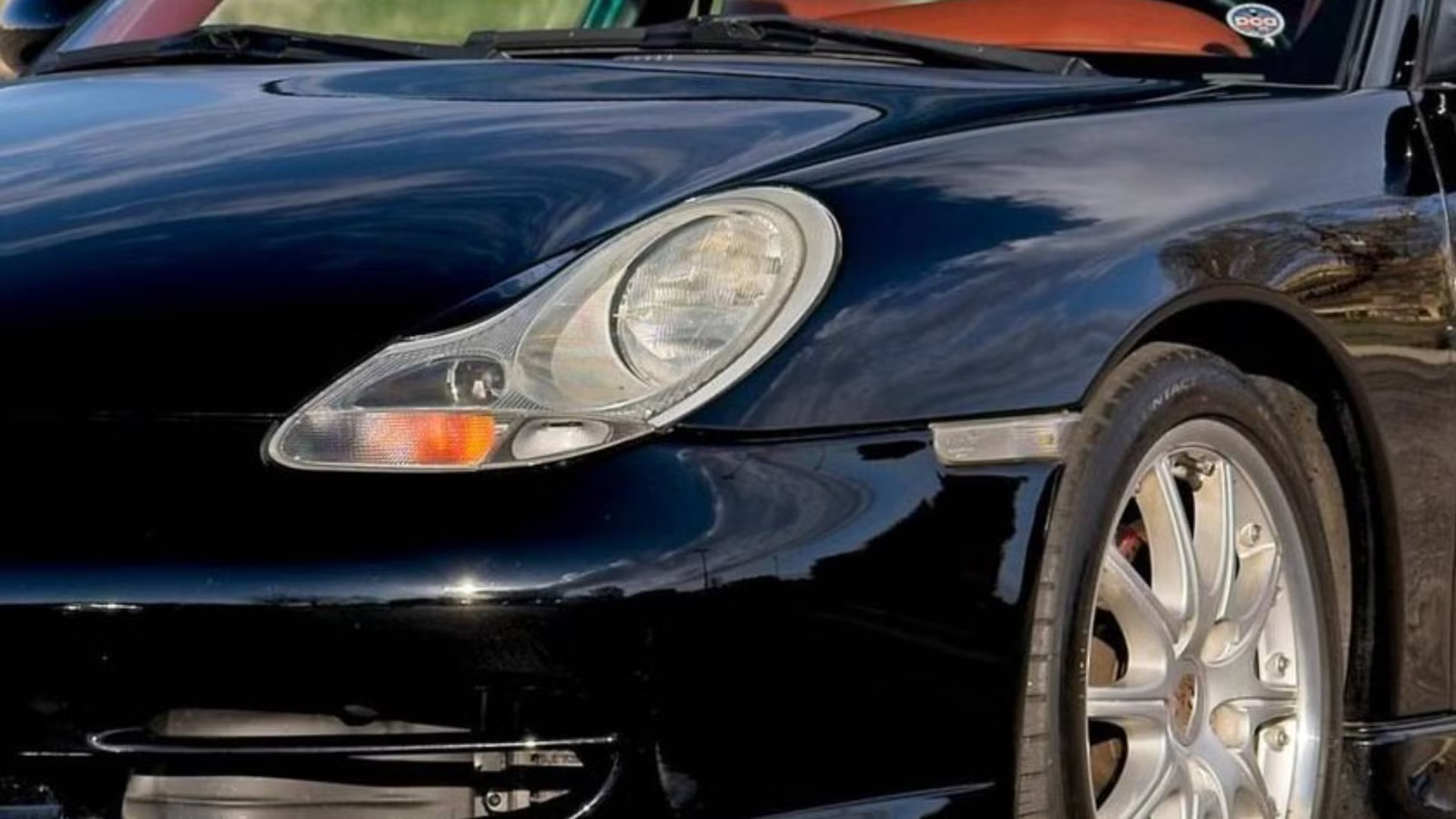
In the late 1990s and early 2000s, Porsche underwent a radical transformation. To step into the next century on solid financial footing, the Stuttgart automaker moved from its traditional, labor-intensive air-cooled engine to a modern water-cooled engine architecture. The Porsche purists were immediately enraged by this decision. They pointed out that the flagship Porsche sports car shared styling and parts with the entry-level Porsche Boxster, and objected to the “fried-egg” headlights that replaced the iconic round look the car had carried since its inception.
But that was not the main reason this particular car became so undesirable among purists. The Intermediate Shaft bearing (IMS), a vital component that drives the camshafts, was prone to failure. Porsche designed it as a sealed unit packed with factory grease. Over time, the engine oil bypassed that seal, washed out the grease, and caused metal-on-metal friction. So when the IMS bearing failed, it didn’t just cause a leak; it sent debris through the engine, causing an immediate catastrophic failure.
During the vehicle’s initial warranty era, data from engineering firms showed a failure rate of roughly 8% to 10% for the single-row bearing variants. That meant most of the time, nine out of ten cars were absolutely fine, but if your car was the one that had the IMS issue, you would be staring at a hefty bill of anywhere from $15,000 to $40,000 for an engine rebuild, and that sent a clear message in the used car market. The internet did its job and turned a specific percentage of risk into absolute certainty. It was a level of negative sentiment toward this particular generation of 911 that had never been seen before or since.
9 Most Reliable Porsche 911 Models On The Used Market, Ranked
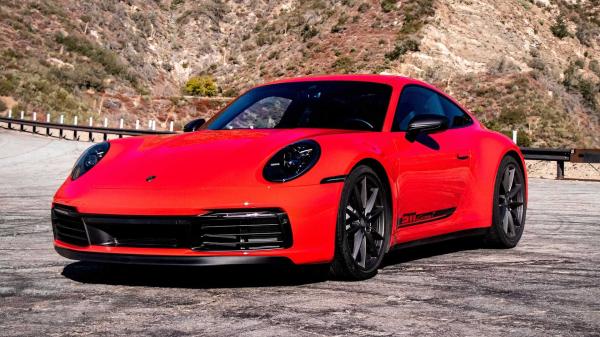
Are Porsche sports cars reliable? You know they are fast and stylish, but can you depend on them as daily drivers? Here are nine reliable Porsches.
The Sub-$30,000 Fully Sorted Porsche 911

The car in question is the 996-generation 911 Carrera built from 1999 to 2004. As the market treats the IMS bearing as a worst-case scenario, the prices for driver-quality examples have been on the lower end. A 996.1 Carrera 2 currently averages between $20,000 and $30,000. The updated 996.2 Carrera 2 with sharper Turbo-style headlights and a larger 3.6-liter engine sits just a couple of thousand dollars above that, and a sorted, driver-quality six-speed manual can be easily obtained near the $25,000 mark on average.
The internet legend about the disastrous IMS bearing issue has been sorted out, and the “invoice math” is straightforward. The IMS issue is no longer a mystery; specialty firms like LN Engineering have solved it. They have been developing permanent retrofit oil-fed solutions for years.
Approximate Estimated Cost Of Getting The 996 911 IMS Bearing Issue Fixed Forever
|
Expense |
Item Description |
Lower Bound Cost |
Upper Bound Cost |
|---|---|---|---|
|
Vehicle Purchase |
996.2 Carrera Manual |
$23,000 |
$25,000 |
|
Preventative Parts |
IMS retrofit kit/Direct oil kit |
$800 |
$2,000 |
|
Specialist Labor |
10–14 HRS |
$1,200 |
$2,500 |
|
Total All-In Investment |
A Fully sorted 911 |
$25,000 |
$29,500 |
For an all-in investment of about $30,000, you have eliminated the small risk of failure the car had, effectively transforming it from an asset everyone ran away from into an investment in a car with equal engineering and performance.
Why the “Worst” 911 Drives Better Than The Modern Hot Hatch

Once past the financial anxiety of owning a 996 911, you are left with the fun part: a flagship Porsche sports car of its era. The performance speaks for itself: 300 hp from the 996.1 and 320 hp from the 996.2, from a naturally aspirated flat-six engine mated to a manual transmission — performance that would put a modern hot hatch to shame. It is precisely this analog feel that enthusiasts are actively seeking in a car.
Incredibly lightweight at just above 2,900 pounds, and fitted with a hydraulic steering rack that delivers clear communication from the road — something modern electric steering fails to replicate — the earlier 996 models also feature a cable-operated throttle, providing a direct, raw connection to the pavement that makes modern sports cars feel like electronically assisted toys.
The fried-egg lights that were hated by purists back in the day now look cool and retro in the sea of generic LED headlights. The parts shared with the 986 Boxster were once considered a cost-cutting measure, but now mean that parts such as interior switches, trim pieces, and mechanical components are plentiful and affordable compared to the bespoke parts required for the lower-volume 997, 991, and later models. Over 170,000 units of the 996 911 were produced, ensuring a massive aftermarket and robust community that keeps the running costs low.
The Cheapest Porsche 911 On The Used Market Is An Overlooked Bargain
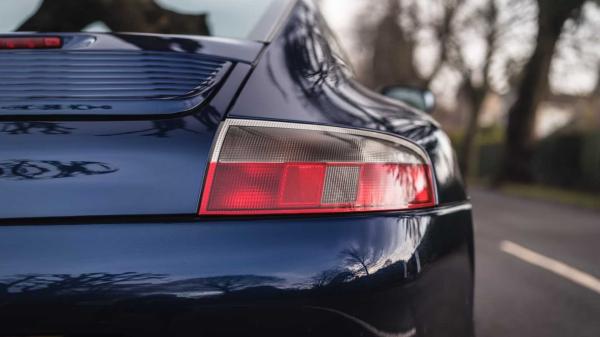
If you’re after a bona fide Porsche 911 experience that won’t break the bank, be sure to give this model a look.
Why The 996’s Value Floor Won’t Last Forever

All this to say, the window for the sub-$30,000 996 911 may not be open for long. The automotive community is slowly waking up to the math and realizing what a good deal it is. The younger generation that grew up without the prejudice of the water-cooled era does not care about the historical backlash; all they see is a lightweight, rear-engined manual Porsche they can actually afford to buy and drive.
The market gap with the 996’s successor, the 997, is even more staggering: an equivalent Carrera costs almost 30% more, yet an early 997 suffers from the same IMS issue as the 996. For the true sleeper car enthusiast, overpaying for the pristine image of a well-regarded model when a completely sorted car is available at a reasonable price no longer makes sense.
A clean, IMS-retrofitted 996 can offer the same driving experience as any other Porsche. It allows you to bypass the collector’s premium for a modern performance Porsche 911, leaving the automotive purist culture in the dust while rowing the six-speed gearbox, laughing all the way to the bank.
Source: Porsche, Classic.com, LN engineering

Related posts

Latest Post


No Comments