
Why The Chevy SS May Be Chevrolet’s Most Accidental Icon
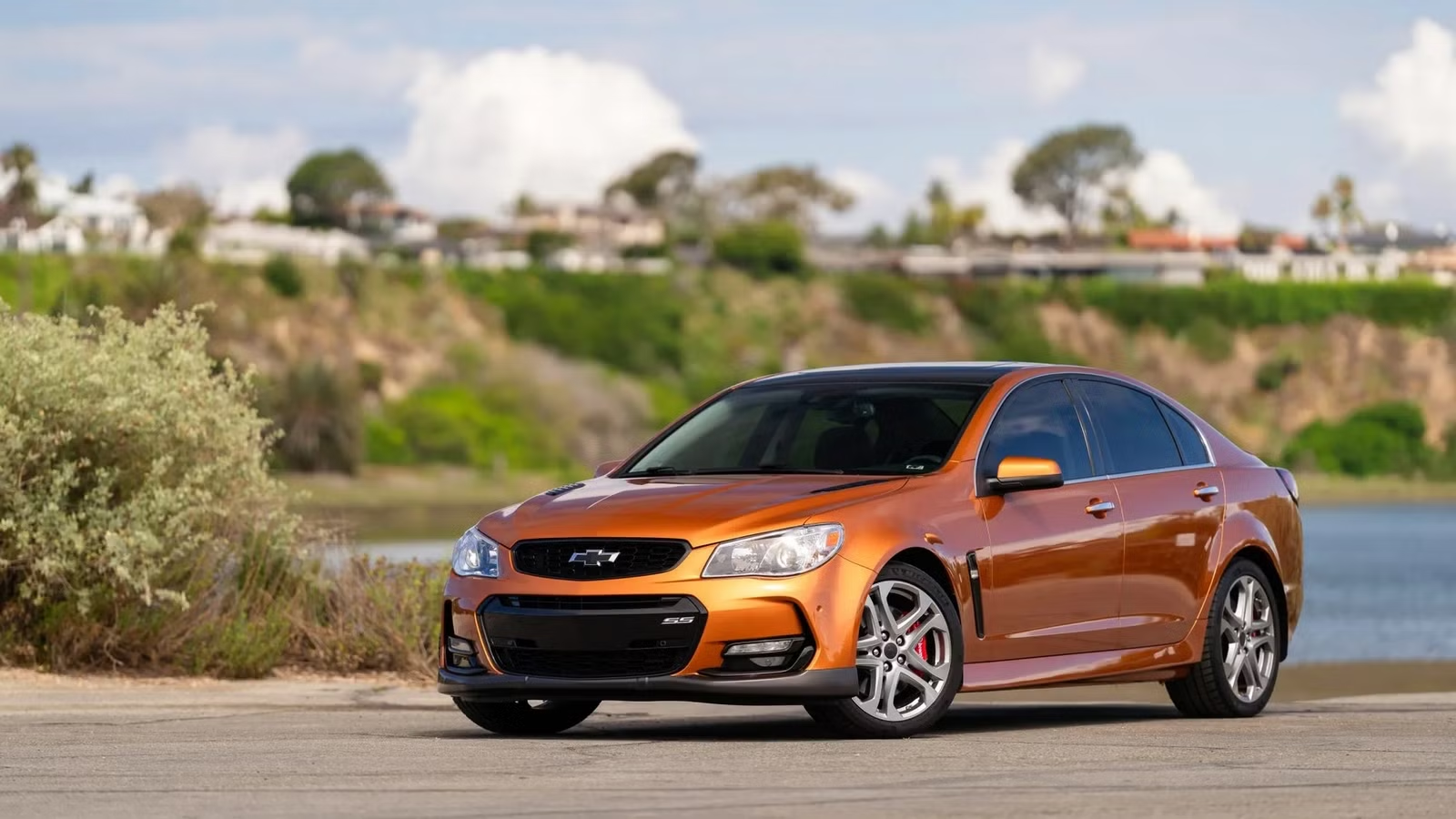
When Chevrolet introduced the SS model more than a decade ago, it was met with critical acclaim from enthusiasts who had longed for an RWD American sports sedan. The Chevy SS’s analog formula was applauded: a 6.2-liter LS3 engine, RWD, a manual transmission, and a practical sedan body. It was everything fans of the brand could have ever hoped for. Chevy diehards swore they would do whatever it took to buy one. But most of those who praised it never actually bought one. During its short-lived four-year production run, only 12,860 units were ever sold, despite offering just about everything an enthusiast could want. Yet now, the Chevy SS is steadily appreciating and gaining a reputation for being the last of its kind. This American sports sedan is now an icon, not because Chevy intended it to be a halo car, but because it’s now clear it was undervalued from the start.
The Chevy SS Was The Right Car At The Wrong Time

The Chevy SS was the perfect sports sedan on paper, but the timing of its release played a big part in its lackluster reception. Despite its capability, the SS lacked the visual drama and marketing momentum to create a smash hit.
Too Boring For A $45,000 Performance Sedan

The Chevy SS looked the way it did because it was never intended to be sold in America. While a lot of enthusiasts like the way it looks now, back then, it lacked character and looked too similar to mainstream sedans. To the casual onlooker, it was indistinguishable from a Chevrolet Malibu.
Considering that the Malibu is an FWD economy sedan, that similarity didn’t fare well with drivers who wanted a performance car that showed off a bit more. Indeed, the SS was a direct rebadge of the mildly styled Holden Commodore, a full-size sedan built by the former Australian subsidiary of General Motors. Holden manufactured the SS, and it arrived in the U.S. largely unchanged aside from a badge swap. Chevy didn’t update the exterior look to fit the more aggressive-minded American enthusiast market, and, in retrospect, that would be one of its biggest mistakes.
Chevrolet Never Positioned It As A Halo Car


With the SS being imported from Australia for sale in the U.S., it would mark the first V-8 RWD Chevrolet sedan in 15 years. While technically the SS was the direct successor of the Pontiac G8, the mid-1990s Chevrolet Impala SS was its namesake predecessor. Despite going through the effort of importing this RWD performance sedan from across the globe, Chevy didn’t do much to promote it.

Considering the vehicle’s significance, you would have expected the American brand to make a big deal out of it. The reality is that there was a limited marketing effort at best, and, in the end, the Chevrolet Camaro and Chevrolet Corvette stole the spotlight. It’s almost like Chevy had forgotten that, only a few years earlier, the Pontiac G8, a vehicle with a similar identity to the SS, was a flop for similar reasons.
The Best American Sports Sedans From The Last Decade
These sedans are the crème de la crème of American horsepower, engineering, and charisma, free of the overcomplication of today’s clinical crossovers.
The Hardware Was Better Than Most Buyers Realized

While the exterior styling definitely didn’t help with sales, underneath the body was one of the most complete modern performance sedans. The SS blended muscle-car power with luxury-car technology in a way that still hasn’t truly been replicated.
Corvette Power And Rear-Wheel Drive Created A Winning Formula

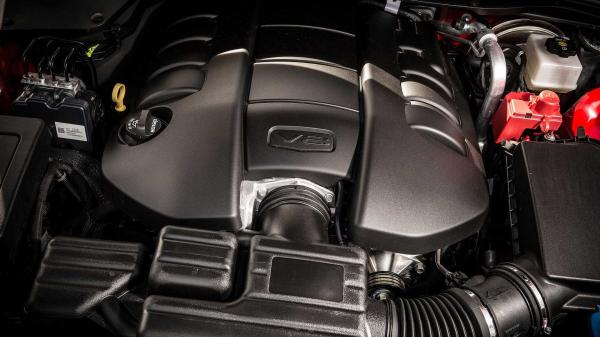
What made the Chevy SS special is that it was basically a C6 Corvette with four doors. At its core is one of GM’s best engines, the 6.2-liter LS3 V-8 producing 415 horsepower and 415 lb-ft of torque. With this legendary LS-based small-block and power being sent to the rear wheels, you simply cannot go wrong. What really sealed the deal was just how spacious and practical the SS was.

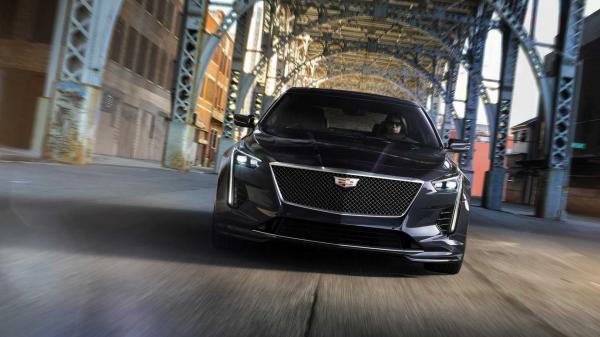
Dimensionally, the SS is similar to a Cadillac CT5-V Blackwing, which is often considered the SS’s spiritual successor. However, what the Blackwing does not have is an LS3 engine. There couldn’t have been a better engine to put into the SS, and if you want to play with power modifications, the LS3 provides the perfect foundation. Even today, this engine’s aftermarket support and parts availability are second to none.
The Later Cars Added Features Enthusiasts Still Seek Out

Another one of Chevy’s mistakes with the SS was introducing it as an automatic-only for the introductory 2014 model year. That detail simply rubbed a lot of prospective buyers the wrong way. Most people shopping for something like the SS were looking for a pure and engaging driving experience, but the automatic version didn’t exactly provide that. If you want an automatic, you might as well buy a BMW M3. That is when the manual-transmission model arrived in 2015; the missing piece of the puzzle had arrived. The best part was that the feel and performance of the manual transmission wasn’t just good; it was great. That is why, when Chevy added Magnetic Ride Control as standard in 2015 as well, the SS’s performance became truly something special.

With a standard head-up display and active safety systems, the SS offers more technology than you might expect. The beauty was that the SS didn’t offer different trim levels: the base trim was fully loaded, with the only two options being a sunroof and a spare tire. However, Chevy didn’t stop there, and in 2016, the SS received its first and only facelift with updated styling and a sweet dual-mode exhaust system. The active exhaust system paired perfectly with the yin and yang character that the SS embodied and was the perfect OEM upgrade to give this sports sedan a bit more spice.
The GM Engine Family Is So Reliable It’s Still In Production After 30 Years
This American power unit has a track-record unlike any other modern V-8 engine.
Its Australian Roots Make The SS More Interesting Today

The Chevy SS, in all senses of the word, is an outlier. Even today, it remains one of Chevy’s most unusual performance car projects, and people are finally starting to catch on with its quirkiness.
The Holden Commodore Connection Gave It A Unique Identity

Back in Australia, the Chevy SS was known as the VF Holden Commodore, a full-size sedan entering its fifth generation. There it was offered with four different engine configurations, with the base trim offering a 253-hp 3.0-liter V-6 and the top-level SS trim offering the 415-hp 6.2-liter LS3 V-8 in the facelift model. One thing we did not get was the Sportwagon variant of the Commodore SS, which was only available with an automatic transmission.

The Australian engineering philosophy always puts durability first, with cars also expected to have practicality and functionality. Unlike traditional American sedans that focus on highway cruising, the SS feels more like a German sports sedan. The chassis still prioritizes tactility and feedback over a detached luxury experience, and the understated styling is part of its personality. Holden had a large influence on emphasizing these dynamics and tuned the Magnetic Ride Control, steering, and suspension setup for maximum engagement. Compared with the Dodge Charger SRT, the SS differs almost entirely in intent.
Rarity Has Become Part Of The Appeal

We always want things we can’t have or that are no longer with us. Throughout its four-year production period, the SS only sold 12,860 units. Its first full year was its worst (2,479 units); the final model year was its best at 4,055 units. No matter how you swing it, however, the SS didn’t sell very well. The result is now that the SS is quite rare on the used market, as many examples didn’t stand the test of time. This car was never supposed to be a collector’s item, but its limited production numbers and enthusiast appeal are the perfect blend for collectibility. Of all the colors, Alchemy Purple was offered only in 2015 and is the rarest, with just 61 cars produced. If you want the most collectible SS imaginable, it has to be Alchemy Purple. Since the first Chevy SS sold on Bring A Trailer in 2018, not a single example has been Alchemy Purple.
The Unusual Car Color That Instantly Increases Resale Value
If you are shopping for a new ride, whatever you do, do not buy a black or white car.
The Chevy SS Makes More Sense Today Than It Did In 2014

The market may have ignored the Chevy SS when it was new in 2014, but the world has changed a lot since then. Now that we know that naturally aspirated V-8 sports sedans are likely never to make a comeback, the qualities that once made the SS overlooked are now its primary selling points.
There Will Never Be A True Replacement

Is there a RWD V-8-powered manual-transmission sport sedan in Chevy’s vehicle lineup today? No, and that is unlikely to ever change. The fact is that the industry’s new darling is electrification, and SUVs are still the dominant force in terms of overall sales. Neither of those concepts lines up with the idea of the SS. Nowadays, Chevy doesn’t even sell a traditional sedan of any kind. If you want a Chevy and want four doors, it’s either going to be a truck or an SUV. The SS isn’t just part of a disappearing formula—it belongs to a different automotive era. Holden was dissolved by GM in 2021, ending a local performance tradition in Australia.
Other Sport Sedans May Cost Less, But Not Necessarily Offer More

While there will never be a direct replacement for the SS, there are other sports sedans from its era that are legitimate alternatives. Most notable is the BMW E90 M3 Sedan, which is powered by an intoxicating 414-hp naturally-aspirated V-8 engine and offers a manual transmission. Despite also having relatively low production numbers, the E90 M3 is significantly more popular than the Chevy SS because of one reason alone: price.

Classic.com data states the 1-year average sale price of the Chevy SS is $40,654 with 27 confirmed sales. A cheaper example is likely to be an automatic (a different experience) or have more than 100,000 miles. The E90 M3 with a DCT has an average of $22,516 with 7 confirmed sales in the same 1-year time frame, while the manual variant has an average of $36,500 with 14 verified sales during the same period. While these two sports sedans share significant similarities, the driving experience is certainly different. The SS still offers a strong combination of simplicity, practicality, and rarity that has transformed it from an afterthought into an accidental icon.
Sources: Chevrolet, BMW, Classic.com

Related posts

Latest Post


No Comments