
What Period Timing Slips Reveal About The LS6 Chevelle vs 440 Six-Pack
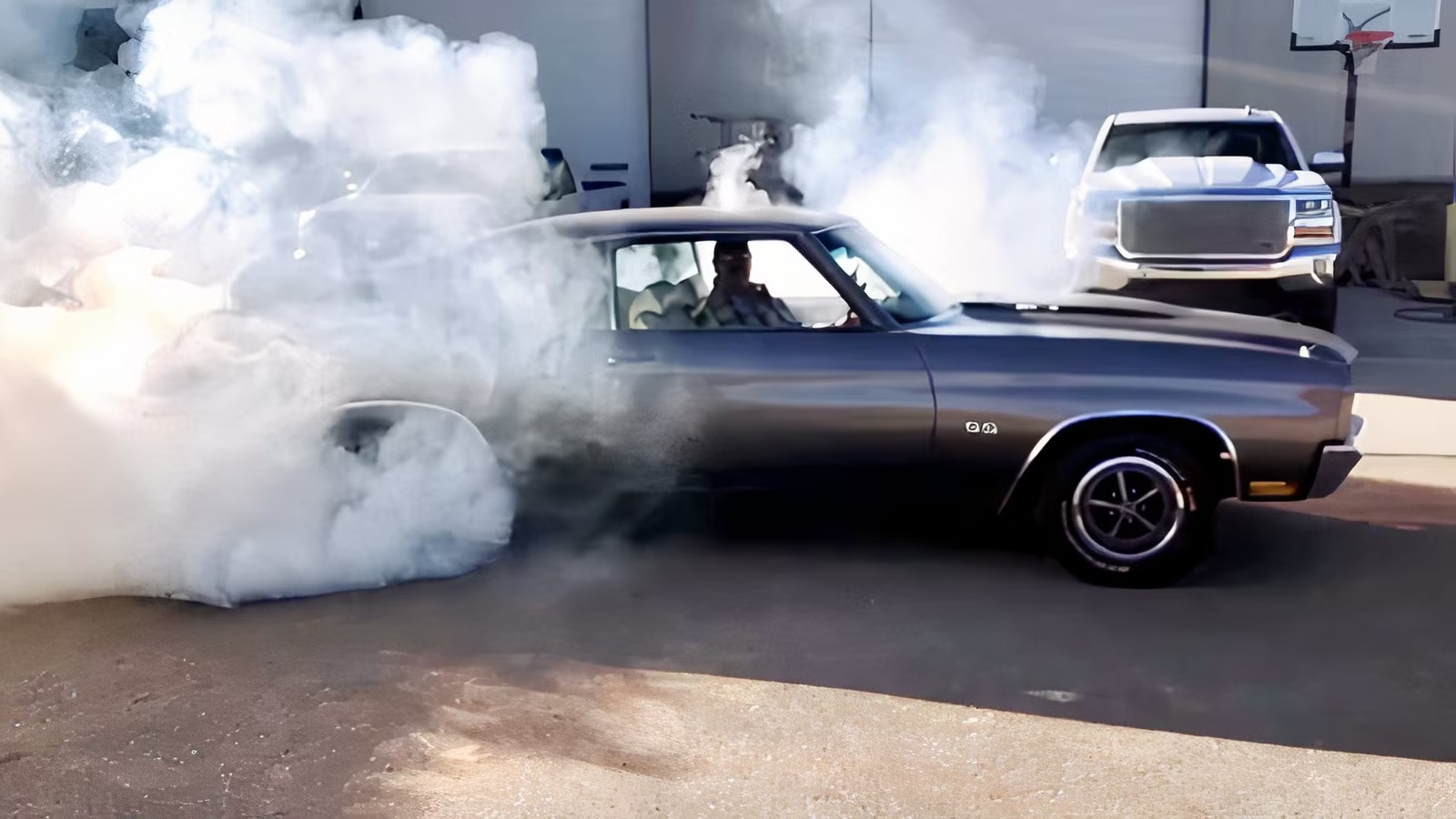
When the Chevrolet 450-horsepower, 500-pound-feet of torque 454 cubic-inch LS6 big-block hit the streets in 1970, it was considered a Mopar killer, or at least something that could finally challenge the 426ci Hemi V-8 for supremacy. When it comes to the Golden Age of American muscle, there are no two engines quite as iconic or fearsome as the LS6 and the Hemi, so it’s natural to throw them in a pit together and let them duke it out. As it turns out, however, it was the Chrysler 440 Six-Pack V8 with its triple two-barrel carburetor setup that was the 454 LS6’s true natural enemy.

At 390 hp and 490 lb-ft of torque, the Six-Pack was decidedly weaker than the LS6, but period test drives and timing slips show it was surprisingly competitive. A Six-Pack and LS6 comparison makes sense because it’s part of the overall rivalry between the Chevy Chevelle and Plymouth Road Runner, the two rides most associated with those two legendary engines. Conventional wisdom says the car with more power should win, but there are a lot of other factors at play here, and a set of numbers provided by the manufacturers is not the same thing as shredding tires at the track.
GM Big Engine Ban Had Chevy Running In Second Place
There probably wouldn’t have ever been a 454 LS6 if GM hadn’t sabotaged its divisions on the cusp of the Golden Age of American Muscle with its infamous big engine ban. In 1963, Chevy built the Impala Z11 factory drag car with a 425-hp 427ci V8 that was capable of ETs in the 12s. Seeing the sheer ferocity of that machine made GM nervous about the liability of selling such powerful cars to the public, and they put a cap on how capable their vehicles were allowed to be. Even though the Impala was a full-size, GM forbade its divisions from equipping engines over 400 cubic inches of displacement in intermediate cars. This ban came one year before the 1964 Pontiac GTO would launch the classic muscle car era, so GM essentially set Chevy and all of its divisions up for failure, or at least second-class street status.
Max Wedge, Hemi, and Six-Pack Overlords of the Streets


The 1964 Malibu Chevelle SS, Chevy’s first entry into the muscle car class, topped out with a 300-horsepower 327ci small-block that crawled it to a 15.0-second quarter-mile. Meanwhile, you could get a 425-hp 426ci Max Wedge V8 13-second option for a ’64 Plymouth Sport Fury, so the streets belonged to Mopar from the beginning. In 1966, when Chevy rolled out the 375 hp 396ci big-block for mass consumption, Chrysler dropped the 426 Street Hemi, which made all Dodge and Plymouth cars equipped with it 13-second vehicles straight from the factory. The 396 was the top Chevelle engine during the dark days of the GM big engine ban and it simply couldn’t hang with a Hemi, but even Mopar’s second and third options could beat up on it. The 375-hp 440 V8 and the 390-hp 440 Six-Pack would terrorize Chevelle owners for most of the Golden Age.
400ci-Plus Ban Mercifully Ends in 1970

In 1969, Chevy dealers discovered the Central Office Production Order (COPO) system, which allowed them to special-order 427ci V8s in intermediate cars, sidestepping GM’s big engine ban. By 1970, there was so much bellyaching from Chevy affiliates about the lack of performance in their muscle cars that GM finally pulled its head out of its exhaust pipe and lifted the utterly pointless restriction. Most divisions went 455-crazy in this new era of power, but Chevy had developed a 454ci big-block for just such an opportunity. If GM had never banned 400ci-plus engines in the first place, Chevelles likely would have had 427s all along, and maybe Chevy wouldn’t have felt the need to develop the 454, so the ban wasn’t all bad. It really was, and waiting until 1970 to lift it was a poor decision, because the Golden Age of American muscle would effectively end in 1971, before the detuned horrors of the Malaise Era set in.
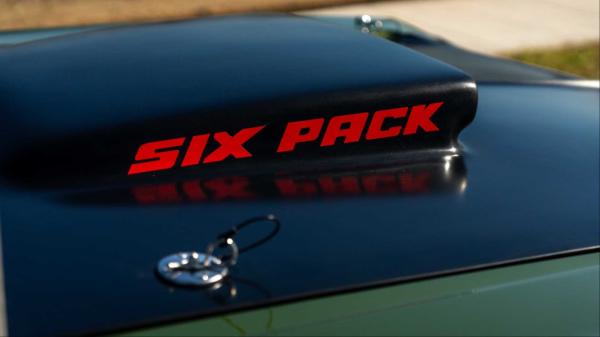
10 Most Valuable 440 Six Pack Mopar Muscle Cars
These rare Mopar muscle cars with triple two-barrel carburetors are commanding six-figure prices at auction.
Was The ’70 Chevelle SS 454 LS6 A Mopar Killer?

As impressive as the 454 LS6 was, it was a one-hit wonder, produced only in 1970, but for one glorious year, the Chevelle SS got to be the dominant street machine it should have been from the start. In the November 1969 issue of Car Craft magazine, testers reported they got a 13.12-second quarter-mile at 107.01 MPH out of the ’70 Chevelle SS LS6, which is impressive. Unfortunately, this Car Craft test drive isn’t available online and is only cited through secondhand sources, so we don’t know if the car was prepped in any way or if they used different gears or maybe slapped some racing slicks on. The ’70 Chevelle SS LS6 is generally known as a 13.4-second car straight from the factory, so someone ripping a 13.12-second ET is either an amazing feat, or the car wasn’t bone-stock.
1970 Chevelle LS6 Engine Specs
|
Displacement |
Power |
Torque |
|
454 Cubic Inches |
450 HP |
500 LB-FT |
The reason why the ’70 LS6 is known as a 13.4-second car is because a test drive in the May issue of Hot Rod magazine turned up a 13.44-second run as the quickest time. In the article, the reviewer lamented, “There is so much bottom end on this car that it is impossible to use all of it effectively with street tires.” For the test, F70-14 Firestone Wide Ovals tires were used, with a note that, “A decent set of drag slicks would naturally get more bite to the ground.” This is why we believe the Car Craft ET was aided by some less-than-stock equipment, but the Hot Rod timing slip is still remarkably quick. It is, however, not the Mopar killing acceleration Chevelle fans were hoping it would be.
454 LS6 vs. 426 Hemi

As a 13.4-second car, the 1970 Chevelle SS 454 LS6 wasn’t exactly a Hemi slayer, but it could run even with a second-gen Dodge Charger Hemi R/T, and that is not an insignificant achievement. When it comes to the 426 Road Runner, which was the Chevelle’s biggest rival and will be covered shortly, the Plymouth was a tenth of a second quicker in the quarter-mile. Even if we accept the Car Craft 13.12-second LS6 ET as a legit stock run, the Chevelle SS still couldn’t beat all the Mopars. In 1970, both the Dodge Challenger and third-gen Barracuda debuted, and when equipped with a 426 Hemi, were 13.1-second warriors. Two one hundredths of a second isn’t exactly an eon, but in a street race it’s the difference between winning and losing.
Surprise 440 Six-Pack Street Superstar

The 440 Six-Pack V8, known as the 6BBL at Plymouth, was introduced half-way through 1969 as a less expensive alternative to the 426 Street Hemi, with similar performance. As it were, the Six-Pack/6BBL was actually quicker than the Hemi with a 13.02 quarter-mile logged in the June 1969 issue of Super Stock & Drag Illustrated by a ’69 Road Runner A12. If we go back to the Car Craft timing slip for the ’70 Chevelle SS 454 LS6, it is still slower with its 13.12-second ET.
440 Six-Pack Specs
|
Displacement |
Power |
Torque |
|
440 Cubic Inches |
390 HP |
490 LB-FT |
There is, however, more to this: test driver Ronnie Cox, who is a racing legend, removed the Road Runner’s air cleaner and turned a 12.91-second quarter-mile at 11.80 MPH. The ’69 Road Runner A12 would outrun a ’70 Chevelle LS6, as well as any 426 Hemi-equipped car, regardless of tires, gears, or any other modification. The Hemi and LS6 were the defining engines of the Golden Age, but both would lose to the 440 Six-Pack/6BBL with a competent driver behind the wheel.
Why The LS6 Was No Match For The Six-Pack

The 1970 Chevelle SS 454 LS6’s 450 hp and 500 lb-ft of torque was obviously more powerful than a Road Runner 6BBL’s 390 hp/490 lb-ft rating, but it wasn’t faster. The Chevelle had a curb weight of around 3,850 pounds, while the Road Runner was approximately 50 pounds lighter, so there was no significant power-to-weight advantage in play here. To answer the question of why a car with 60 more hp and 10 more lb-ft of torque was slower, it’s probably because the manufacturer ratings weren’t accurate. It’s likely that the LS6 was fairly accurate, while the 440 Six-Pack was underrated. Chrysler may have underreported the true horsepower of the Six -Pack, because if it were advertised as powerful as the Hemi, nobody would have spent the extra money on the 426. The only other explanation for the Six-Pack’s dominance over the LS6 involves sorcery, and that is a sphere of esoteric weirdness best left unexplored.
Chevelle SS/Road Runner Rivalry
In the late 1970s, school courtyards across the country saw the Kiss Army clash with Led Zeppelin fans over which was the most iconic band. In 1970, high school parking lots had Mopar enthusiasts and Chevy devotees arguing about the supremacy of the Road Runner versus the Chevelle. The Road Runner was the most popular Mopar muscle car of the Golden Age and the Chevelle was the top overall ride of the classic era, so it was natural that they would end up as rivals. This may have actually started with the video above, which is a 1968 Plymouth ad comparing the B-body GTX/Road Runner/Satellite with the Chevelle. We already know the Road Runner was faster, especially in ’68, but this ad dismantles the Chevelle’s claims, piece by piece. In one of the more hilarious points of the vintage ad, we learn that the Road Runner’s window rolls down in fewer cranks than the Chevelle’s. Take that, Chevy!
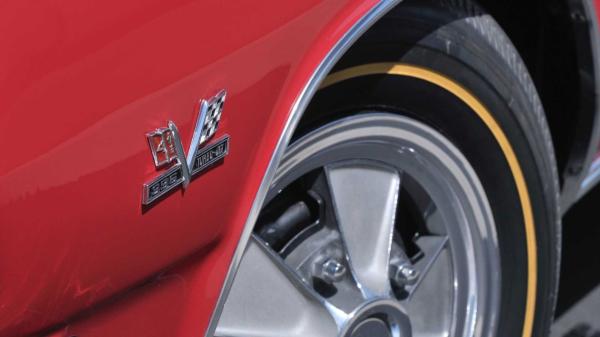
Chevy Built 201 Big-Block Chevelles And Refused To Advertise Them
Chevy’s first real muscle car was such a secret that only a small group of insiders knew of its existence.
LS6 Wins Consolation Prize At The Auction Block

The 1970 Chevy Chevelle SS 454 LS6 may have been slower than a 1969-1/2 Plymouth Road Runner 6BBL, and apparently had inferior window-cranking capabilities, but it has certainly gone on to shine the brightest on the auction scene. That Black Cherry beauty pictured above sold for $770,000 at Mecum Kissimmee 2026, while the best a Road Runner has done is $550,000 for a second-gen Hemi car. It may seem unfair to compare a rare convertible to a more common hardtop, so we’ll go to Hagerty for some coupe valuations. A ’70 LS6 sport coupe has a Concours condition value of $229,000 while the most expensive first-gen Road Runner 6BBL is a 1970 at $118,000. “My car is more expensive than your car” doesn’t have the same level of trash-talk gravitas as “my car just blew your car’s doors off,” but it is still better than a participation trophy.
Sources: Hagerty, Hot Rod, Mecum

Related posts

Latest Post


No Comments