
Mercedes Says Combustion Engines Have 10-15 Years Left, And Its New V8 Investment Backs That Up
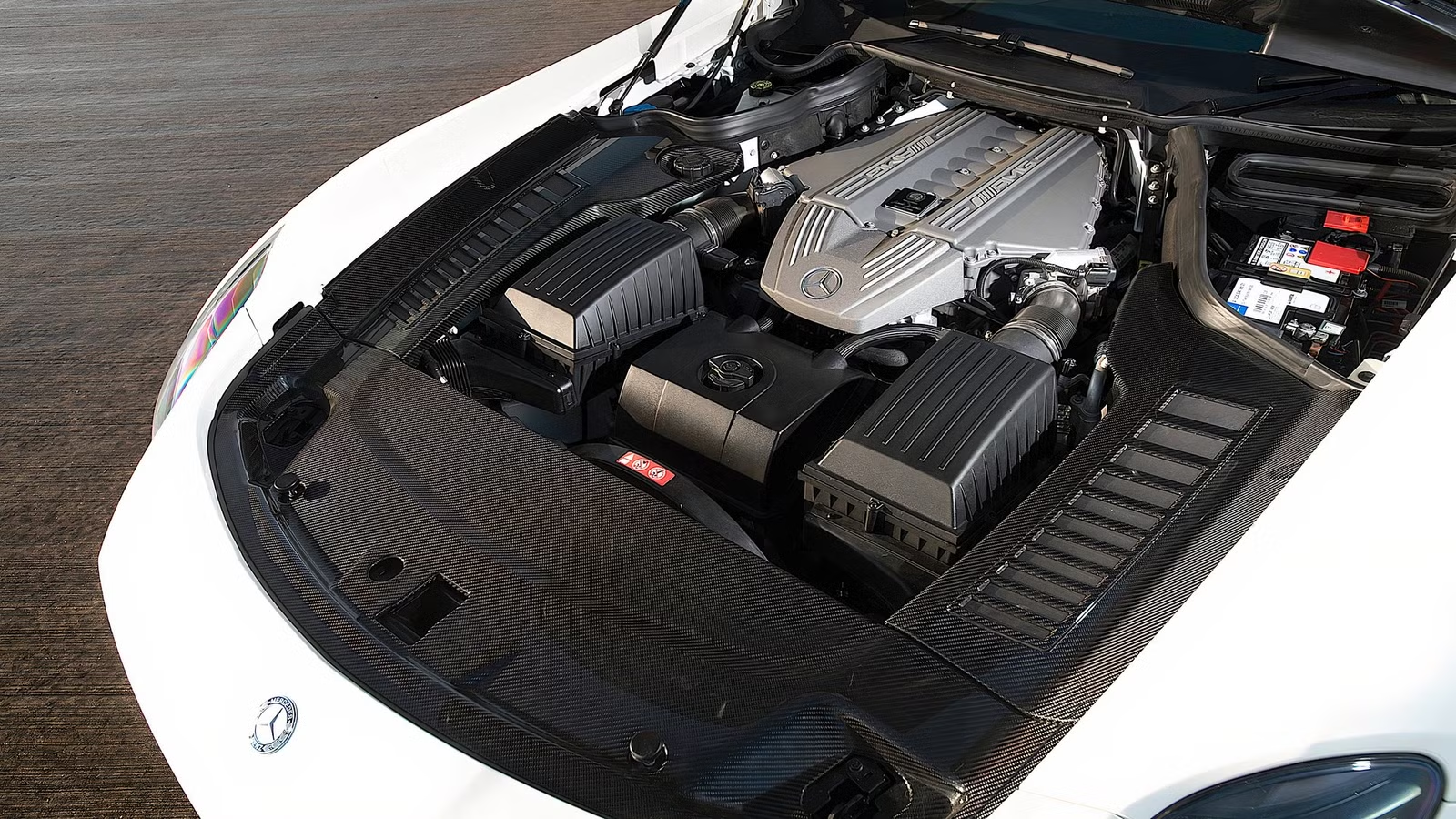
Mercedes-Benz Chairman Ola Källenius told reporters at a media roundtable in Pune on November 4 that the combustion engine isn’t going anywhere soon. “The combustion engine, it will be around for minimum 10, probably 15 years more,” he said, pushing back directly on the idea that automakers are racing toward an all-electric lineup by 2030 or 2035.

This wasn’t a hedge or a vague talking point. Källenius backed it with real product news: Mercedes has updated its entire combustion lineup, including a new V8, to meet Euro 7 emissions standards, making it the first manufacturer to do so. Diesel stays in the mix too. If you’re shopping a combustion or hybrid Mercedes right now, the company just told you it plans to keep building, selling, and supporting that powertrain well into the 2030s.
Why Mercedes Is Still Investing In A New V8
Building a Euro 7-compliant V8 from scratch isn’t cheap, and it’s not the move of a company quietly planning to kill combustion off. Källenius framed it as proof that Mercedes is serious about serving customers who aren’t ready to go electric, or whose driving habits don’t suit it yet.

Diesel gets the same treatment. “Our portfolio of diesel engines is ready for the future,” Källenius said, pointing specifically at drivers who rack up 60,000 to 70,000 kilometers a year and light commercial vehicle operators. Those are buyers for whom an EV’s range and charging downtime simply don’t pencil out yet, and Mercedes isn’t willing to lose them to a competitor still selling diesel wagons and vans.
The 20-25 Year Transition Nobody Wants To Say Out Loud

Källenius described the shift to electric mobility as a 20 to 25 year industrial transformation, not the decade-long flip that headlines about 2030 or 2035 EV mandates tend to imply. His reasoning: “If you’re an incumbent, you don’t cut off the leg that you stand on right now and you build a new one.”
That’s a notably blunt admission from the chairman of a company that announced in 2020 it would be ready to go fully electric by decade’s end, market conditions permitting. The first wave of EVs undersold expectations, by his own account, and Mercedes is now only 12 to 18 months into what it calls its second generation of electric vehicles, including the newly launched electric GLC. Zero-emission mobility remains the eventual destination, he said, but a fully electric market is still a long way off.
What This Means If You’re Buying A Combustion Mercedes Today

Mercedes says it will offer an electric alternative across every meaningful model position by the end of the decade, so EV shoppers won’t be left without options. But the company is explicitly telling the other half of its customer base, the ones buying a gas or diesel C-Class , GLC, or Sprinter van this year, that parts, service, and engine development aren’t going to dry up.
“As long as there’s meaningful demand for… high-tech, in our case electrified ICE, we have that as well,” Källenius said. For buyers weighing a combustion or hybrid Mercedes against an electric one, that’s about as direct a reassurance as a luxury automaker is going to give.

Related posts


Latest Post


No Comments