
Why Some Experienced Riders Start Wanting Less Motorcycle, Not More
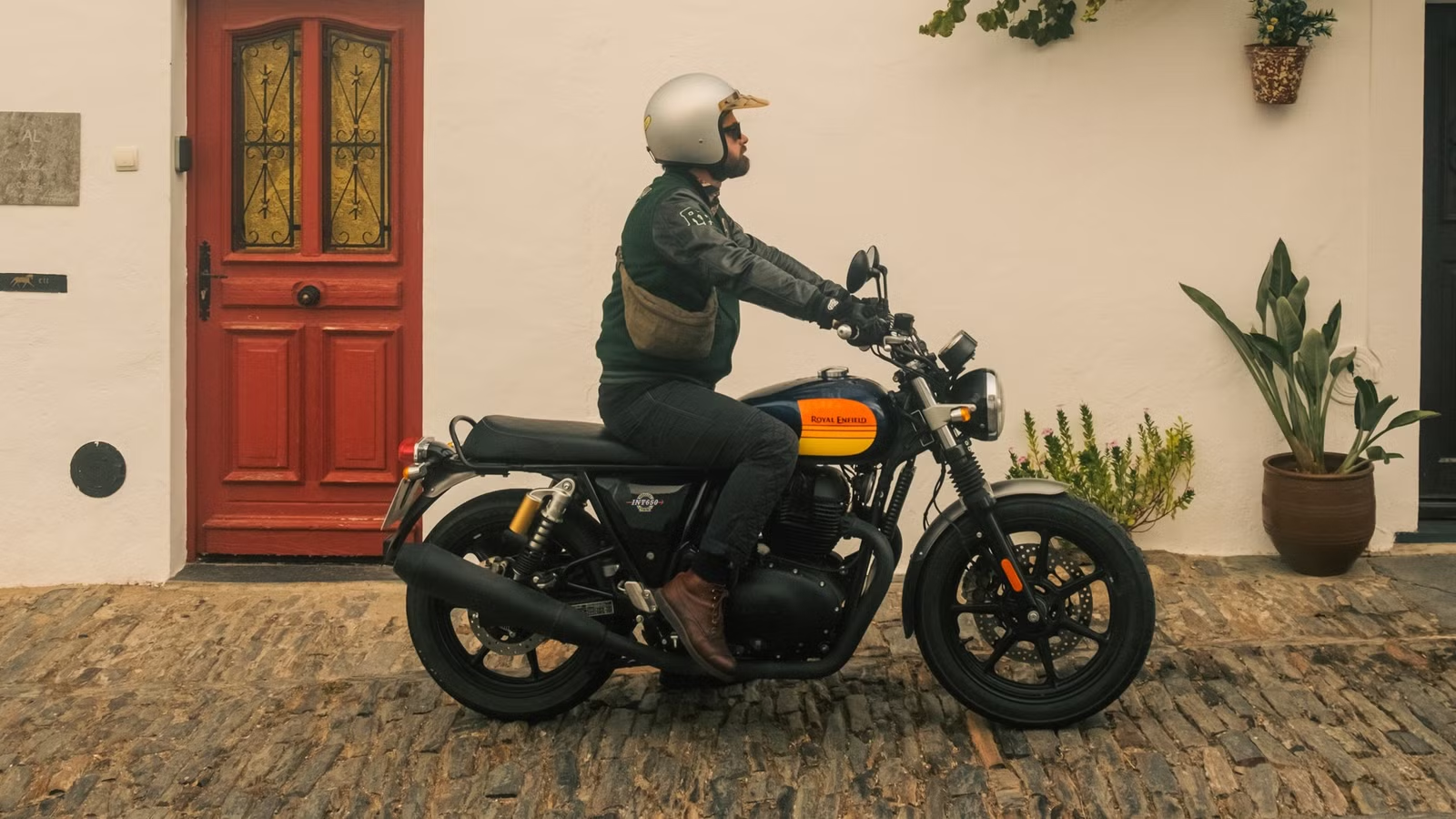
For most motorcyclists, moving up the displacement ladder is practically a rite of passage. You start small, build your confidence, and eventually work your way toward bigger engines, more horsepower, and increasingly sophisticated motorcycles. It’s a progression that makes perfect sense, especially when you’re still discovering what motorcycles can do. But something interesting happens after you’ve spent enough years riding different bikes. The things that once seemed essential can start becoming less important, and your idea of the perfect motorcycle begins to change.
The Never-Ending Pursuit Of More In The Motorcycle World

There’s a certain excitement that comes with upgrading to a bigger motorcycle. More horsepower means stronger acceleration, better highway performance, and the ability to tackle longer journeys with ease. Premium suspension, powerful brakes, and advanced electronics also become increasingly accessible as you move upmarket. It’s easy to see why riders associate these improvements with progress, especially when manufacturers continuously push the boundaries of what their flagship machines can accomplish.
But there’s a difference between appreciating what a motorcycle is capable of and actually benefiting from those capabilities. A powerful sport bike can reach extraordinary speeds, while a heavyweight adventure machine can cross entire continents carrying a passenger and luggage. Both are impressive achievements of engineering, but neither automatically translates to a better experience for someone whose riding mostly consists of commuting, weekend outings, and exploring nearby roads.
When More Performance Stops Making A Difference

As riders gain experience, they become increasingly aware of how little of a motorcycle’s potential they actually use. Public roads impose limits that even the most capable machines can’t escape, and a 150-horsepower engine rarely gets an opportunity to stretch its legs. The same goes for sophisticated suspension systems and high-performance brakes designed to withstand conditions that ordinary street riding will never reproduce. These technologies have their place, but their benefits depend heavily on how the motorcycle is used.

That realization doesn’t mean experienced riders stop appreciating performance. Instead, they develop a clearer understanding of which improvements make a meaningful difference. Smooth throttle response, predictable handling, comfortable ergonomics, and manageable weight can contribute more to an enjoyable ride than another 30 horsepower. Once you’ve experienced the excitement of owning something extremely powerful, it’s easier to recognize that outright performance is only one part of what makes a motorcycle rewarding.
Why Smaller, Lighter Motorcycles Start Making More Sense

One of the biggest advantages of a smaller motorcycle becomes apparent the moment you encounter ordinary riding conditions. Navigating congested streets, squeezing into parking spaces, making tight turns, and maneuvering through narrow roads all become easier when there’s less weight to manage. A lighter bike also requires less physical effort when pushing it around a garage or recovering from an awkward stop. These might seem like minor conveniences, but they’re situations riders encounter far more frequently than opportunities to explore a motorcycle’s maximum performance.
There’s also something liberating about riding a machine that doesn’t demand your constant attention. You can concentrate on the road ahead rather than managing excessive power or anticipating how a heavy motorcycle will react at low speeds. This becomes especially valuable when exploring unfamiliar towns, navigating unpredictable traffic, or riding on uneven surfaces. A motorcycle that’s easy to control in a wide variety of situations opens up more opportunities to ride without requiring a perfect road or ideal conditions.
At Times, Less Power Means More Fun

There’s an undeniable satisfaction in getting the most out of a motorcycle without relying on overwhelming horsepower. Smaller engines encourage riders to pay closer attention to gear selection, cornering speed, and maintaining momentum. Rather than using sheer acceleration to make up for mistakes, you’re encouraged to ride smoothly and develop a stronger understanding of the machine beneath you. The result can be an engaging experience even at speeds that make sense on ordinary public roads.
For experienced riders, this introduces a different type of enjoyment. Riding a powerful motorcycle quickly can be exhilarating, but exploring the capabilities of a more manageable machine brings its own rewards. You can work through more of the rev range, use the gearbox more frequently, and enjoy the engine without immediately reaching excessive speeds. It’s a reminder that riding enjoyment isn’t directly proportional to horsepower, and that the connection between rider and machine matters just as much as outright performance.
Everyday Practicality Becomes Part Of The Appeal

The advantages extend beyond the riding experience itself. Smaller, simpler motorcycles often consume less fuel, require less expensive tires, and involve lower maintenance costs than their high-performance counterparts. They can also be easier to service, store, and transport, particularly for owners who don’t have unlimited garage space or access to specialized equipment. While displacement alone doesn’t determine ownership costs, choosing a motorcycle with fewer expensive components can make long-term ownership considerably more manageable.
These practical considerations also influence how often a motorcycle gets ridden. A machine that’s easy to move, inexpensive to operate, and comfortable in everyday conditions removes many of the little obstacles that can discourage spontaneous trips. Heading out for a quick coffee, running errands, or taking an unfamiliar back road becomes a simple decision rather than something that requires preparation. Over time, those additional opportunities to ride can become more valuable than the occasional thrill of having enormous performance available.
Experience Changes What You Have To Prove

There’s also a psychological element to downsizing that doesn’t get discussed enough. For newer riders, a bigger motorcycle can represent an important personal achievement. Moving from a beginner-friendly machine to a powerful middleweight or liter-class bike signals progress, and there’s nothing wrong with enjoying that accomplishment. But riders who’ve already owned and experienced powerful motorcycles often reach a point where engine displacement and horsepower figures no longer carry the same significance.
At that stage, choosing a smaller motorcycle isn’t necessarily a compromise or a step backward. It’s often a deliberate decision informed by years of experience, changing priorities, and a clearer understanding of personal preferences. Riders become less concerned with what others consider impressive and more interested in what suits their actual needs. The motorcycle becomes less about reaching the next milestone and more about making every ride worthwhile, regardless of how large the engine happens to be.
The Best Motorcycle Is The One That Suits Your Riding

Of course, downsizing isn’t the answer for everyone. Large touring motorcycles remain excellent choices for covering long distances with passengers and luggage, while high-performance sport bikes make perfect sense for riders who regularly visit racetracks. Big adventure bikes also offer genuine advantages when traveling across varied terrain with everything needed for extended journeys. The important distinction is whether those capabilities serve a rider’s needs or simply exist as features that rarely get used.
Ultimately, experience teaches riders that there’s no universal definition of an upgrade. The best motorcycle isn’t necessarily the biggest, fastest, or most expensive one you can afford. It’s the machine that makes the riding you actually do more enjoyable, whether that’s a lightweight commuter, a versatile middleweight, or a fully equipped touring bike. And for some seasoned riders, discovering that a smaller motorcycle can deliver everything they need is proof that moving forward doesn’t always mean moving up.

Related posts
Latest Post


No Comments