
The Harley-Davidson That Adds Character & Performance To All That Chrome
Chrome has long been part of Harley-Davidson’s visual identity, from polished engine covers to bright exhausts and gleaming wheels. But a shiny finish alone doesn’t make a motorcycle worth choosing. The more interesting question is what lies beneath it: the engine, chassis, and character that make a bike rewarding to own and ride. One model in the 2026 lineup brings those elements together with a particularly strong connection to Harley-Davidson’s factory-custom history.
Chrome Means More Than A Finish For Harley-Davidsons

Chrome and motorcycles have a long association, particularly in the American cruiser world. Chrome can change a motorcycle’s character, highlighting the shape of an engine, drawing the eye toward the exhaust, and giving wheels and other components a presence that black finishes tend to mute. For riders who appreciate traditional cruiser styling, those details are part of the appeal, not simply decoration.
Harley-Davidson’s 2026 lineup offers plenty of choices for riders who prefer polished metal. Most models offer at least one chrome-trim option, while a handful come exclusively with chrome. The point isn’t that chrome is better than black, but that the finish can help define what makes a motorcycle appealing in the first place.
When Brightwork Becomes Part Of The Design

On some bikes, chrome complements an identity built around wide tires, a stripped-down profile, or touring comfort. On others, it plays a more central role in establishing a classic custom look. That distinction matters because a motorcycle should offer more than an attractive finish. Its engine, riding position, and chassis still need to suit the way its owner intends to ride. The strongest candidate for this theme, then, isn’t necessarily the Harley with the most chrome. It’s the one where the brightwork, styling, and engineering come together to create a coherent package.

The H-D Lineup Has Plenty Of Chrome With Different Personalities

Coming in a chrome-only trim package in 2026, the Fat Boy makes a strong visual statement with its broad tires, solid Lakester wheels, and substantial proportions. Chrome suits its muscular appearance, but the motorcycle’s defining feature is its unmistakable stance. It looks imposing even before the engine starts, and its appeal extends well beyond the polished metal.
The Street Bob takes a different approach. Its stripped-down styling, mini-ape handlebars, and compact rear end give it a factory-custom look without the visual bulk of a touring bike. Chrome can add traditional character, but the Street Bob’s real appeal lies in its straightforward design and the freedom it offers riders who prefer a simpler cruiser.
When Chrome Meets The Open Road

Touring models make another convincing case for chrome. A chrome-equipped Street Glide, for example, combines classic Harley-Davidson styling with the fairing, wind protection, and equipment that make long-distance riding more comfortable. For riders who spend hours covering highway miles, those practical strengths matter more than any single finish.
Each of these motorcycles makes sense for a different reason, and chrome enhances what is already there. But one model connects the finish more directly to Harley-Davidson’s factory-custom heritage. Its styling isn’t simply a modern motorcycle dressed up with brightwork; the chrome is part of the idea behind the bike.
The Super Glide Makes Chrome Part Of Its Identity

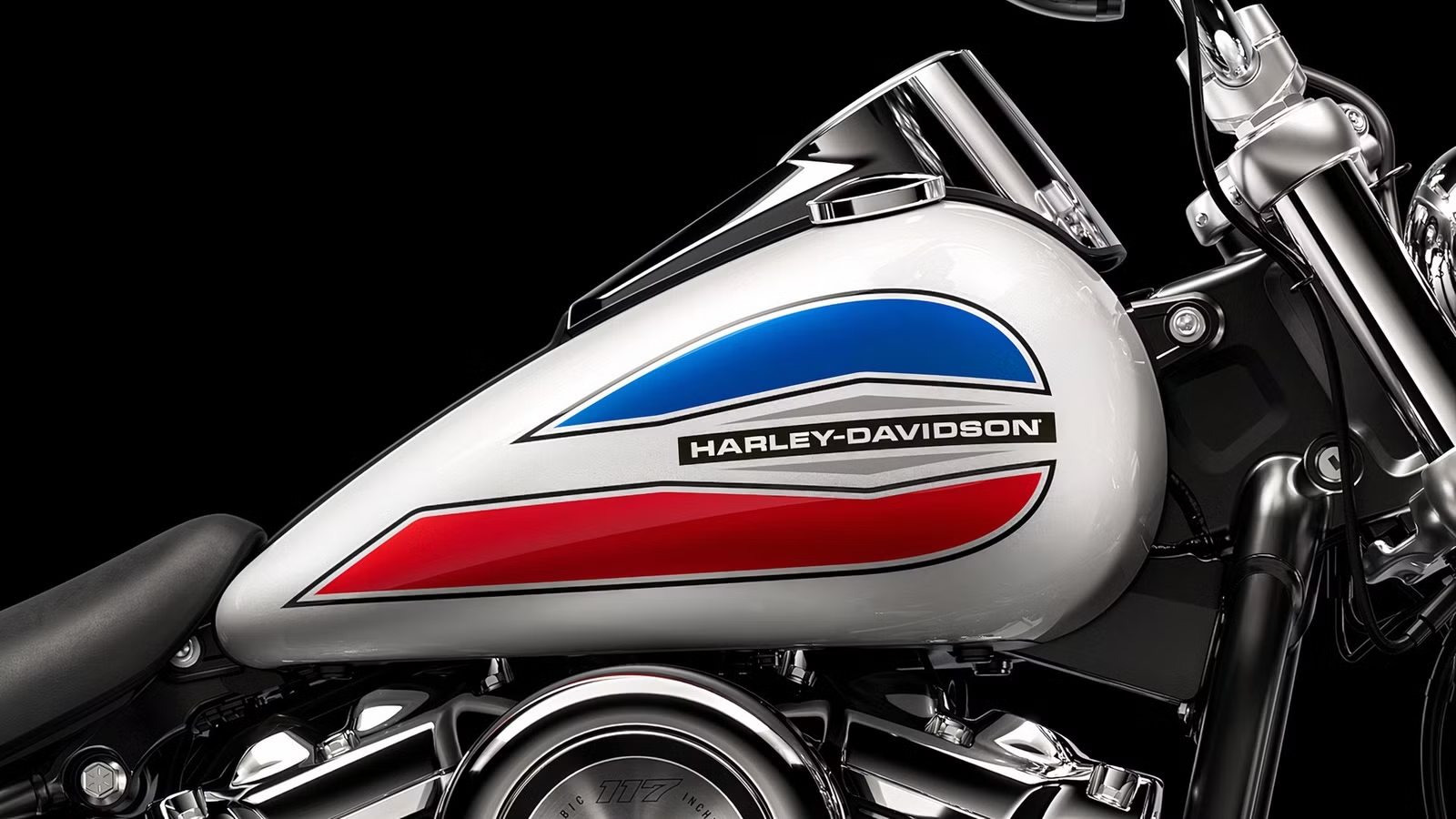
The 2026 Harley-Davidson Super Glide revives a name closely associated with the factory-custom movement that helped shape the company’s identity. White Onyx Pearl paint, red-and-blue tank graphics, chrome details, tubeless laced wheels, and mini-ape handlebars draw on the spirit of the original 1971 FX. Together, those elements give the new model a distinctive identity rather than making chrome feel like an afterthought.
There’s substance beneath the retro styling, too. The Super Glide uses Harley-Davidson’s Milwaukee-Eight 117 Classic engine, producing a claimed 98 horsepower and 120 pound-feet of torque at 2,500 RPM. That torque figure points to the engine’s emphasis on accessible pulling power rather than requiring high revs to get moving. A six-speed transmission and five-gallon fuel tank round out a package suited to unhurried rides beyond town.
Classic Styling, Modern Engineering

The modern Softail chassis helps bring the concept into the present. A 49 mm telescopic front fork and hidden rear monoshock handle suspension duties, while selectable ride modes and rider-safety technology add functionality that wasn’t part of the original factory-custom formula. The result keeps the uncluttered appearance of a traditional cruiser without requiring riders to give up contemporary features.
That combination is what makes the Super Glide such a strong fit for this discussion. Its paint, graphics, and brightwork establish the connection to Harley-Davidson’s past, while the engine and chassis give it a purpose beyond recreating an old photograph. The styling looks backward, but the motorcycle is built for today’s roads.
A Classic Look With A Place In Today’s Lineup

The Super Glide also stands apart because Harley-Davidson is producing just 2,500 examples worldwide for 2026, with each motorcycle individually serialized. That limited production makes it distinctive, but scarcity alone doesn’t guarantee future collector value. Buyers are better served by choosing it because they appreciate the motorcycle itself, rather than treating the production number as a promise of investment potential.
Starting at $15,999, the Super Glide occupies an interesting position in Harley-Davidson’s cruiser lineup. It offers a specific blend of heritage styling, modern equipment, and limited production without requiring buyers to move into the company’s more expensive touring models. Harley-Davidson offers plenty of chrome-equipped motorcycles, and several have compelling claims to the title. The Super Glide stands out because the brightwork is inseparable from its classic factory-custom identity, while the engine, chassis, and modern rider aids make it more than a nostalgic styling exercise. Chrome gets your attention, but the complete package is what gives this Harley its appeal.
Source: Harley-Davidson

Related posts


Latest Post


No Comments