
Why Every Gearhead Loves The 1968-1972 Chevy El Camino
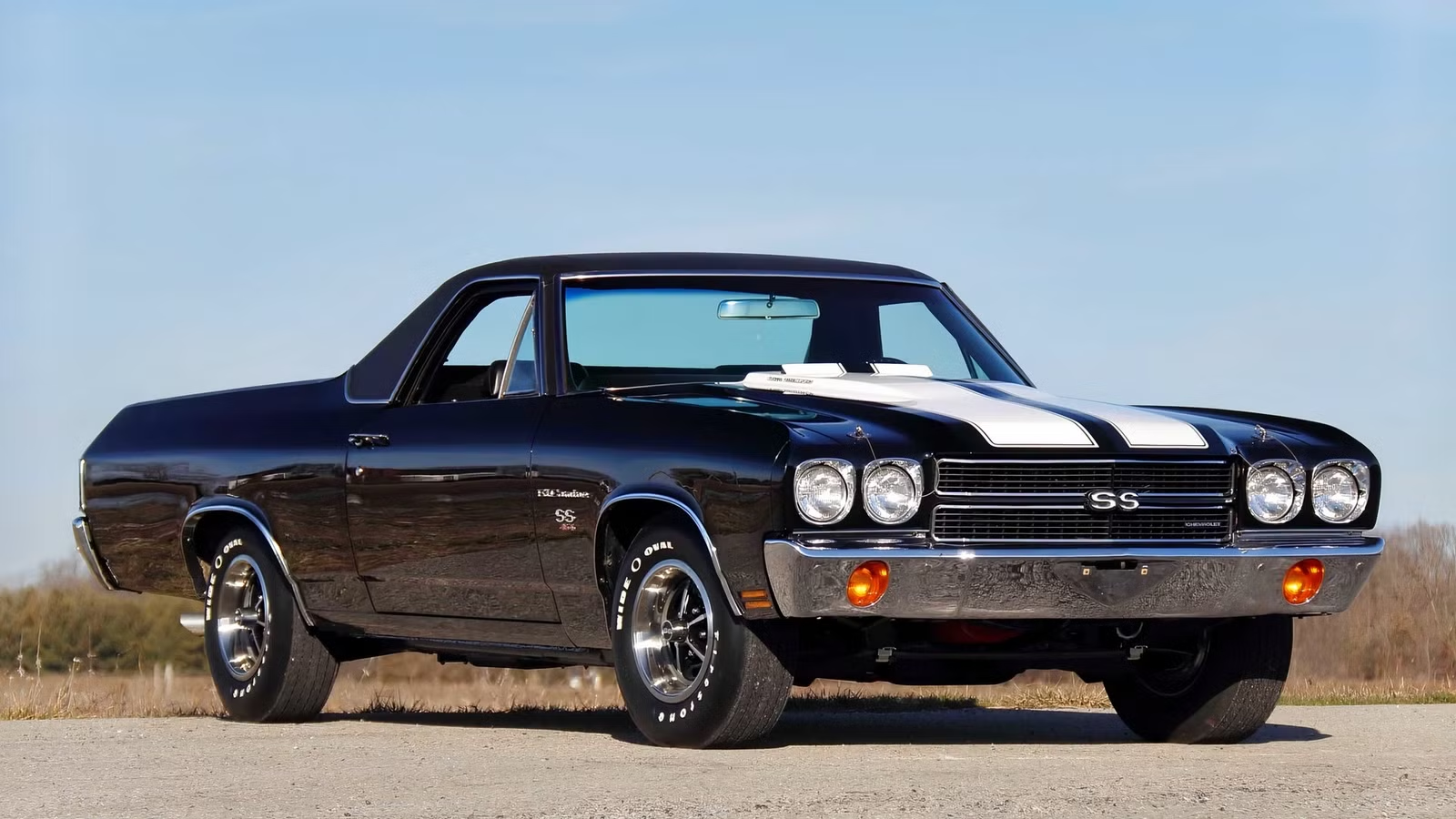
The third generation (1968-1972) of the Chevrolet El Camino came out of the factory in 1968 with the highly revered SS model upgrade giving it real muscle car credibility. This model at the time was only $444 more than the standard base model (about $3,600 today), but it was totally worth it. It came with a 396-cubic-inch turbo-jet big-block engine with three horsepower variations; 325, 350, and 375. All three variations with more power than they let on. But, what specifically about these cars makes them loved and prized?
The Third-Gen Chevy El Camino Had More Power Than Ever

The 1960s were a great time for muscle cars. This was a time before the EPA set limits on emissions for cars in the States, meaning that car manufacturers had free-range on the kinds of engines they were making. The Chevrolet El Camino was no exception to this rule. By 1970, Chevy had released a 360 horsepower 454 V-8 option that really put some power behind these cars.
You could even get an LS6 454 big block that had a whopping 450 horsepower with 600 pound-feet of torque, which was insane for the time. So for purists, this meant options. And with options comes a huge amount of customization choices. Not only that, but the third generation of El Camino was based on the Chevelle body style, and a lot of parts are interchangeable between the two. This meant that you could go wild, creating extremely unique and special variations of the El Camino that would make your head spin.
The El Camino Boasted Powerful Engines That Were Begging To Be Exploited


Nothing would make you smile more than the possibility of how powerful an engine can be or become. As mentioned above, the third generation of these cars came out right before the dawn of the EPA putting regulations on emissions. This stifled the amount of power other cars, and later versions of the El Camino would have. That is why the SS version of this car is coveted so much. There were just so many possibilities that could be had with its 396-cubic-inch turbo-jet big-block engine. Those kinds of possibilities are a gearhead’s dream come true. And, take advantage of those possibilities they did.
The 1968-1972 Chevy El Camino Was Extremely Versatile

The Chevrolet El Camino was marketed as a coupe utility vehicle. Essentially, it was a car that you could use for work on the farm and still look good driving to church or social functions. This versatility spilled over into the gearhead community. Since they looked so unique, they could be restored and used as showroom cars.
A lot of third-generation El Caminos still around today are used for this purpose. But at the same time, the huge engines meant that they could be turned into drag cars. Lots of enthusiasts will beef these third-gen cars up, even more than they already are, and then take them to win glory at the racetrack. This makes them the perfect project cars.
The Third-Gen El Camino Went From Workhorse To A Full-Blown Muscle Car

The first two generations of the El Camino were more suited for being a workhorse/utility vehicle. As they progressed in popularity, more power was added to them as time went on until they were turned into full-blown muscle cars. The third generation is when these cars fully leaned into the muscle car category.
Sure, they still had the truck bed, but it’s what was under the hood that grabbed the attention of people. These people relished in the power that these cars had to offer, and that is what makes these cars so appealing to gearheads, even to this day. Other options, such as the multitude of transmissions these cars came with over the years, make them easily swapped out with whatever you want to put in them.
The El Camino Was Constantly Changing Over The Years

Chevy liked to change things about the El Camino every year. They would upgrade the engine, modify the body styles, and even change interior things like gauges and interior setups. This made these cars literal playgrounds for gearheads. They could take parts from different years of these cars and make custom versions that were never seen before.
Chevy was also keen to play around with the colors and paints on these cars. Chevy released some with classic black stripes down the hood. So not only could you make unique versions of this car mechanically, but you could also go crazy with the paint job to make even more unique rides. At the time, it almost seemed like Chevy wanted people to modify these cars. They just made it so easy.
There Are Plenty Of El Camino Options To Choose From

The first iteration of the El Camino was released to the world in 1958, while the last iteration of it was released in 1987. That’s almost 30 years since the El Camino was roaming and racing on the streets of the States. Because of this, there are plenty of options to choose from when it comes to body style, engine, transmission, and paint styles.
If you like the body style of the 80s versions, but you want the power that came with the third generation, then drop that 454 V-8 into it. Can’t find a specific part for your third-gen El Camino? Then look into later generations and see if you can part one out to get what you need for your third-gen El Camino. The options truly are limitless.
Third-Generation El Camino Parts Are Relatively Easy to Find

Parts aren’t as difficult to find for the El Camino as other classic cars from the same era. Since they are so readily available and affordable, it makes them the perfect choice for gearheads. As mentioned above, this generation was built off of the Chevelle of the same era, so even if you couldn’t find a particular body part for the year of your El Camino, you could just take it off of a Chevelle. This made it so that not being able to find a part wouldn’t kill the idea of your dream project El Camino.
The El Camino Is Based On A “Big Block, Small Body” Formula

Some things never need to be changed, and the big block, small body formula of the Chevy El Camino is one of them. There’s just nothing like having a small, lightweight car with a big, badass engine in it. Fanboys would be keen to see how much power they could put into these cars, while also seeing how light they could make them. A small body with a big engine means that these things would be really fast, and quick to get up to high speeds too. There are even anecdotes of some tuned El Caminos reaching up to 550 horsepower, which is insane.
The Third Generation El Camino Is A Blast To Restore To Its Former Glory

Some gearheads like to race, some like to restore, and some like to do both. But for you restorationist gearheads, this generation of El Camino is a dream come true. With the availability of parts that are affordable and the number of customizable options that almost 30 years of the El Camino have to offer, it’s easy to bring the third-gen of these cars back from the dead. Many people turn old El Caminos into completely new versions of their former selves. Just take a look at some of these (hyperlink) and tell us that restoring something like it wouldn’t be a blast.
The El Camino Is An Affordable Option For Collectors

Compared to other cars of the same era, the Chevy El Camino is an extremely affordable option for gearheads. A quick Google search will show that fully restored versions of this generation are priced at an average of about $23,000. Some can get into the $60,000 range, while one of the most expensive El Caminos was sold at about $150,000.
But if the average price for a fully restored one is $23,000, then one that could use some TLC could be found for much less. An affordable project car means that you’ll have more money to spend on restoring it or doing whatever you want with it. That would make it a very appealing option for someone looking to get into modifying or restoring cars, or for someone who wants to have a really badass track/drag car.
Sources: GM, Classic.com

Related posts




Latest Post


No Comments