
Chevrolet SS: The Sleeper V8 Sedan Enthusiasts Love
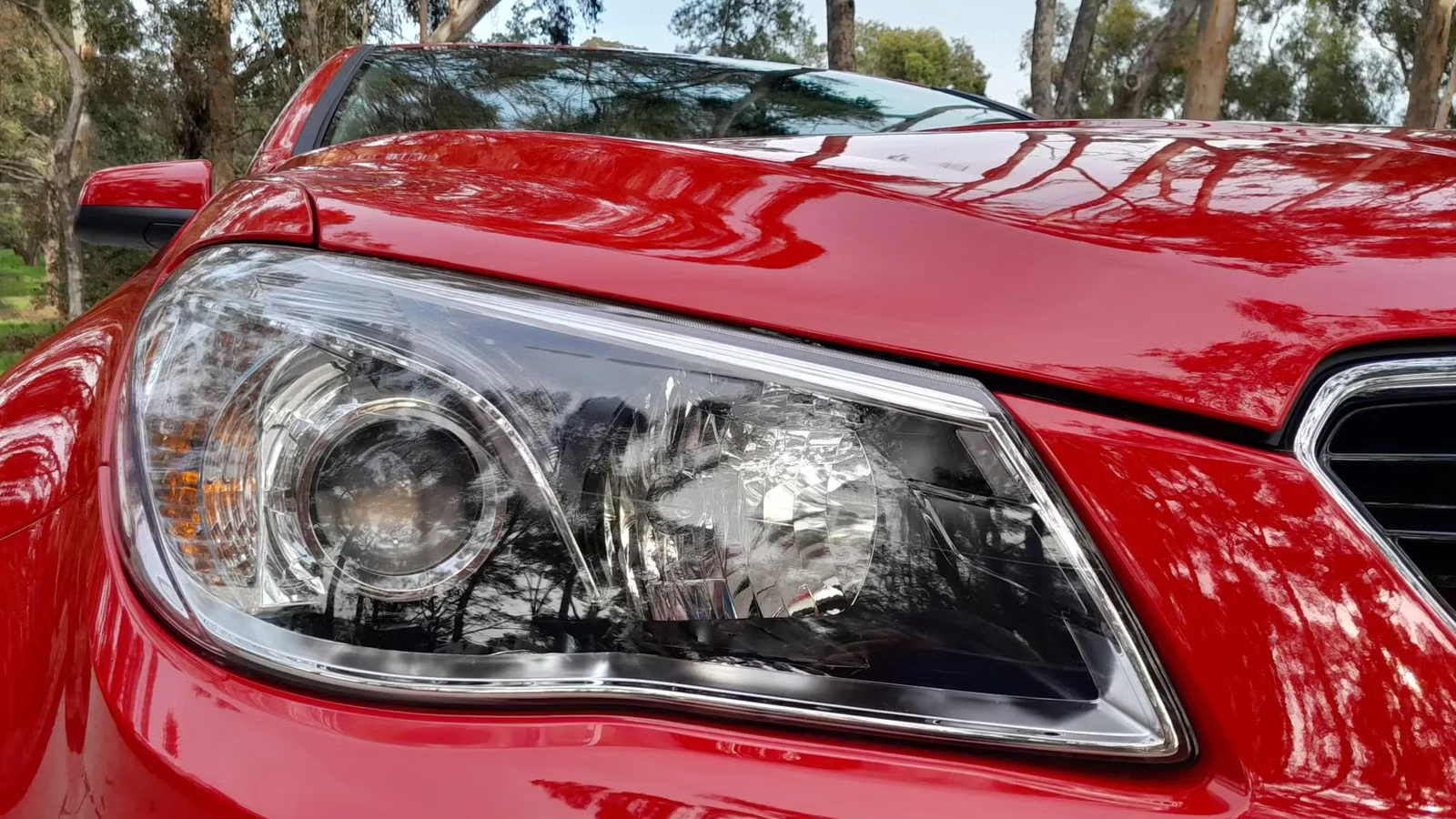
Performance sedans usually advertise what they are. Big grilles, aggressive bodywork, oversized wheels, and enough badges to ensure nobody mistakes them for the base model. One Chevrolet took the opposite approach. Park one next to a Malibu in a supermarket parking lot and most people would struggle to identify it.
That anonymity hid one of General Motors’ most capable performance cars of the 2010s. Beneath the understated sheet metal sat a naturally aspirated 6.2-liter V8, rear-wheel drive, available Magnetic Ride Control, Brembo brakes, and—starting in 2015—a six-speed manual transmission. Few sedans combined those ingredients, and even fewer did so without drawing attention to themselves.
Most Performance Sedans Want Attention: This One Avoided It
The bona fide sleeper arrived during a period when performance sedans were becoming increasingly theatrical. Cadillac’s V-Series models wore aggressive styling. German rivals added larger air intakes, quad exhausts, and distinctive body kits. Despite that, this model largely looked like a family sedan.

That wasn’t an accident. The car originated as the VF-generation Holden Commodore, a vehicle designed for Australian buyers who valued practicality as much as performance. Chevrolet imported the car virtually unchanged, retaining the clean bodywork and understated appearance that made it blend into traffic.
The result was one of the few genuine sleepers sold in America during the 2010s. Fender vents and quad exhaust tips hinted at something unusual, but most drivers had no idea a stout V8 was sitting under the hood. Even enthusiasts often had to look twice.
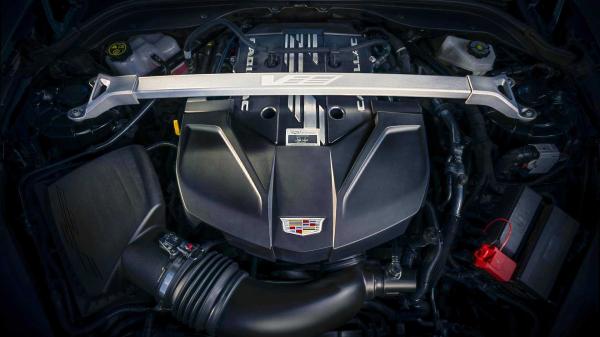
GM Just Confirmed Its V8 Future With A $150M Cadillac Bet
GM just invested $150 million in a new gas-powered Cadillac, and it’s a strong signal the V8 still has a future.
It Was Built For A Market That Barely Knew It Existed

Meet the Chevrolet SS. It wasn’t developed specifically for the United States. It was the American-market version of Holden’s VF Commodore, built in Elizabeth, South Australia, and imported by Chevrolet. The same basic architecture had already reached America in another form: the Pontiac G8.
GM launched the SS for the 2014 model year, but marketing support was minimal. Chevrolet never gave the car the promotional push typically associated with a V8 performance flagship. Many potential buyers simply didn’t know it existed.
Sales numbers reflected that reality. Holden produced 12,953 Chevrolet SS sedans during the model’s entire run from 2014 to 2017. That’s fewer cars than many performance models sell in a single year. By the time enthusiasts fully appreciated what Chevrolet had brought to America, the car’s future was already tied to events unfolding half a world away.
Meet The Chevrolet SS

The Chevrolet SS represented something America was rapidly losing: a naturally aspirated V8 sedan sending power exclusively to the rear wheels.
|
Engine |
Power |
Torque |
Transmission |
Drivetrain |
|
6.2-liter LS3 V8 |
415 hp |
415 lb-ft |
6-speed automatic (2014–2017), 6-speed manual (2015–2017) |
Rear-wheel drive |
The LS3 wasn’t some bespoke sedan engine. It was the same basic 6.2-liter small-block found in the C6 Corvette, producing 415 horsepower and 415 lb-ft of torque. Early cars came exclusively with a six-speed automatic, but Chevrolet added a Tremec TR-6060 six-speed manual for the 2015 model year after enthusiast demand became impossible to ignore.
Performance figures backed up the hardware. Contemporary testing recorded 0–60 mph runs in the high-four-second range, placing the SS firmly in competition with far more expensive performance sedans. Yet Chevrolet bundled virtually every available option into the standard package, making the car feel more like a premium import than a traditional American muscle sedan.
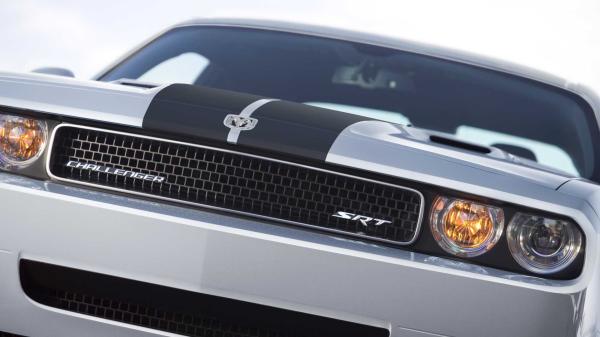
This Forgotten Muscle Car Eats Modern Performance Cars For Breakfast, Lunch, And Dinner
A retro muscle beast packing a 6.1L V8 with 425 hp, lighting up the rear tires and blasting low-13s—loud, raw, and all about straight-up fun.
Under The Skin Was One Of GM’s Best Performance Cars

The powertrain grabbed headlines, but the chassis explained why owners became so loyal. The VF Commodore platform had been refined through years of Australian development on roads that ranged from crowded city streets to vast stretches of high-speed rural highway. Engineers built the SS around rear-wheel drive from the beginning rather than adapting a front-wheel-drive platform for performance use.
Chevrolet added Magnetic Ride Control, a technology shared with the Corvette, along with Brembo brakes and a limited-slip differential. Weight distribution approached the balance enthusiasts look for in dedicated sports sedans, helping the SS feel far smaller than its dimensions suggested.
One of the car’s strengths was its breadth of ability. It could handle a daily commute, carry five adults in comfort, and still embarrass sports cars at a stoplight. By the late 2010s, BMW had turbocharged the M3, Mercedes-AMG had downsized to twin-turbo V8s, and Dodge was effectively the last company still selling old-school naturally aspirated V8 sedans in meaningful numbers.
The Ford Wagon That Hid Crown Vic Police Hardware Under Fake Wood
Ford hid some serious police-spec hardware beneath the faux-wood panels of one surprisingly capable 1980s family hauler.
The End Of Holden Also Sealed Its Fate

The Chevrolet SS wasn’t discontinued because Chevrolet replaced it with something better. Its fate was tied directly to Holden’s manufacturing operations in Australia. In 2017, Holden ended vehicle production at its Elizabeth assembly plant, bringing Commodore production to a close. Without the Commodore, there was no Chevrolet SS. General Motors announced the sedan’s departure without a direct successor.
The timing turned out to be significant. The automotive industry moved rapidly toward turbocharged engines, electrification, and SUVs. Cars matching the SS formula—a naturally aspirated V8, rear-wheel drive, four doors, and an available manual transmission—became increasingly difficult to find. Collectors noticed. Manual-transmission cars have become especially sought after, partly because only a fraction of total production was equipped with three pedals.
Sources: GM Heritage, Hagerty

Related posts



Latest Post


No Comments