
AMC’s 340-HP Drag Special Was Re-Rated To 420 HP By The NHRA
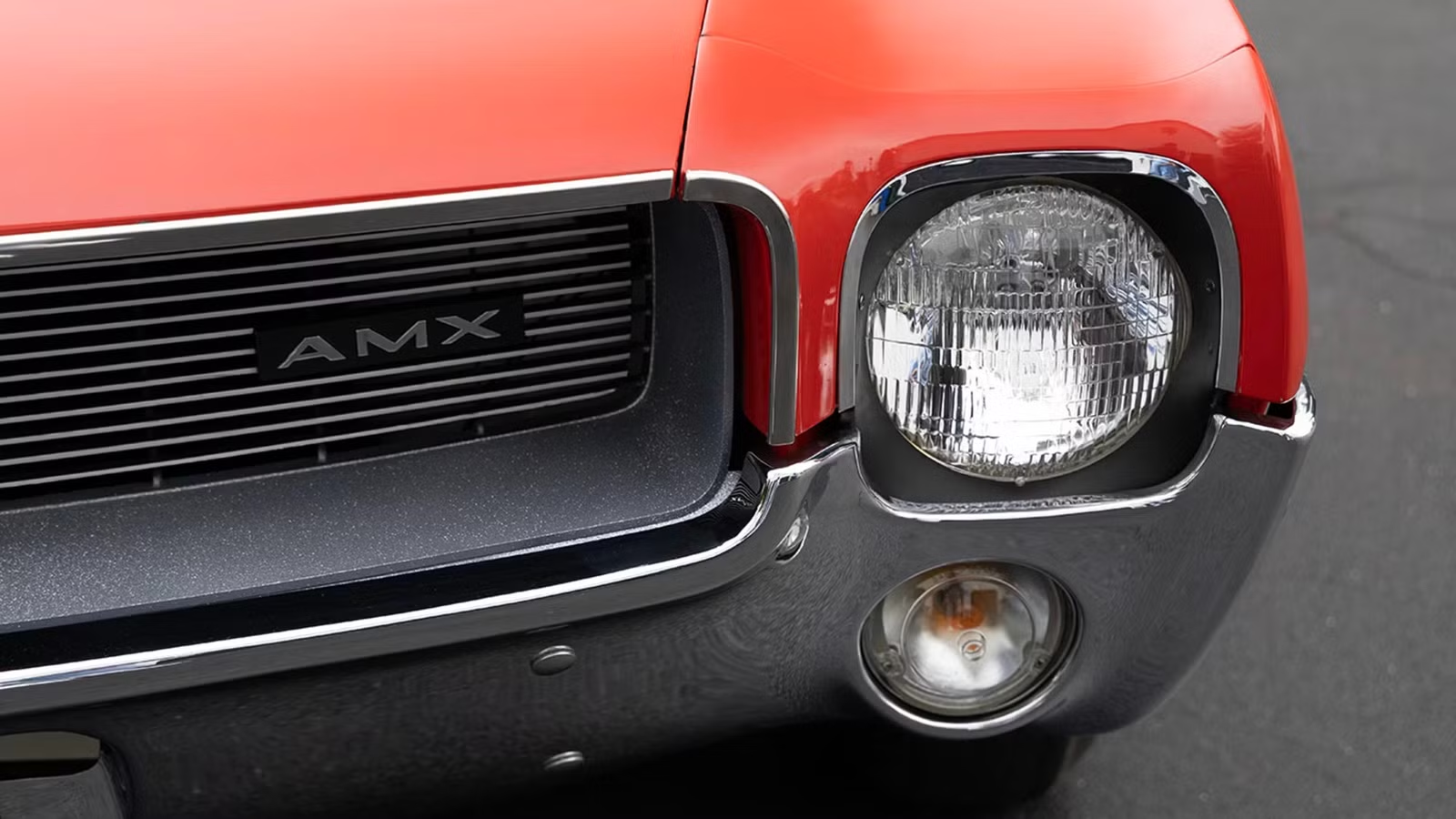
In the late 1960s, if you had entered any auto dealership, you would most likely see a budget commuter, maybe even a mid-size muscle car, but in the corner of one dealership was a car priced at $5,994 with no radio, no heater, and no factory warranty. This two-seater was no ordinary car, and the hefty price tag wasn’t a mistake; it was almost $2,500 above the standard version. An ambitious manufacturer built a full-spec race car with a VIN, ready to leave the showroom and hit the streets.
Why 1960s Homologation Specials Were Flawed Street Cars

By the late 1960s, the domestic formula was firmly established. Manufacturers took passenger-car bodies, dropped in the biggest displacement engine they had on the shelf, beefed up the chassis with heavy-duty hardware, painted the exterior in loud colors, and marketed these cars to weekend drag racers and performance enthusiasts. The most celebrated drag specials were also regular street cars modified after they left the assembly line. Manufacturers shipped standard passenger-car bodies to specialty performance shops like Hurst Performance for modifications.
The fundamental limitation of that traditional manufacturing process was the mechanical compromise. Manufacturers had to keep their special cars driveable for regular road use, even though they carried performance hardware. But they also had to keep creature comforts like sound insulation, cabin heating, and interior amenities.
When these cars arrived at the drag strip, regular enthusiasts eventually stripped out the unnecessary creature comforts to make them lighter and faster, because they wanted one thing from their cars: performance. One manufacturer took notice.

The 1969 AMC SS/AMX and the 420-Horsepower NHRA Re-Rating
That factory-stripped race car was the 1969 AMC SS/AMX. Built in collaboration with Hurst Performance, it was designed specifically to qualify for a lightweight two-seater coupe for the National Hot Rod Association Super Stock competition. To do this, AMC offered the vehicle at a base retail price of $5,994, compared to the standard AMX at around $3,500, easily outstripping its rival Chevrolet Corvette at roughly $4,700. To prepare the SS/AMX for the drag strip, AMC submitted paperwork to the NHRA for classing, and official factory specs listed its 390 cubic-inch V8 at 340 horsepower at 5,100 RPM. The NHRA tech inspectors evaluated the engine hardware on its own merits rather than relying on catalog paperwork.
Given the 12.3:1 compression ratio and dual-quad induction setup, the sanctioning body re-rated the 390 V8 to roughly 420 horsepower for competitive classing. While historical accounts and period sources vary slightly, most sources settle on 420 horsepower as the official factored rating applied by the sanctioning body. This re-rating let the car move between the SS/C, SS/D, and SS/G classes depending on final weight and racing modifications. Yet for drag racers, the small premium paid off on the track. With full race prep, proper slicks, and tuning, the short-wheelbase coupe could run the quarter mile in the low 11-to high 10-second range, with trap speeds exceeding 120 miles per hour right out of the box.
A Blank-Canvas Race Car Disguised as a Consumer Product

What made the SS/AMX truly unique among the 1960s muscle cars was its manufacturing process. Instead of assembling complete road cars and shipping them out for teardown, line workers at AMC’s Kenosha factory produced the cars as pre-stripped, blank-canvas shells for Hurst to finish. The Kenosha assembly workers didn’t just leave optional accessories off the vehicle’s build sheet; they installed a dedicated, stripped-down race wiring harness. Inside the dashboard, harness trunks hung completely blank because factory workers removed the wiring pigtails and terminal connectors for the radio, heater, and air conditioning system altogether.
They intentionally removed the sound deadening, body insulation, and even the front anti-roll bar before the unpainted bodies ever left the main assembly line. Once transported to Hurst’s conversion facility in Ferndale, Michigan, the two-seater received its full racing overhaul. Forged J&E 12.3:1 high-compression pistons replaced the standard production internals, while an Edelbrock aluminum cross-ram intake manifold topped the engine, fitted with dual 650-cfm Holley four-barrel carburetors. Crane-ported cast-iron cylinder heads mated to custom Doug’s headers, plus heavy-duty Lakewood steel scattershields, rear axle torque links, and a precise Hurst competition shifter, completed the drivetrain.
The SS/AMX left Hurst coated in simple Frost White paint, allowing dealer teams and private racers to apply their own custom livery. However, many eventually adopted AMC’s signature red, white, and blue vertical racing paint.
Track Mechanicals Over Comfort Cruiser

Because Hurst deleted the front anti-roll bar to maximize weight transfer to the rear slicks during hard launches, low-speed steering was heavy and vague, and the car was prone to severe body roll in cornering. The 12.3:1 static compression ratio required high-octane racing fuel to prevent severe detonation, and the twin 650-cfm Holley carburetors gave virtually zero smooth low-RPM throttle response for normal street idling.
Without sound insulation or cabin blowers, heat from headers radiated directly through the thin sheet-metal floorboards, filling the bare interior with overwhelming mechanical noise and exhaust heat. Yet despite these harsh operational realities, AMC took the unprecedented step of distributing these drag weapons straight through its commercial dealer network. This created a rare moment in American history: an automaker selling an unrefined, non-street-legal drag car to the public with zero factory warranty.
The Surviving Legacy of Kenosha’s Rarest

Of the original production run cited in historical accounts as 52 units, or 53 if you count the original factory prototype, about 40 cars remain accounted for in collector registries today. Because most went straight from transport trucks to drag strips, surviving original-spec examples are among the rarest and most sought-after performance specials in American muscle car history. The SS/AMX remains lasting evidence of what happened when an underdog manufacturer set aside mass-market appeal and built an uncompromised drag racer.
Source: Hemmings, Mecum, Ssamx.com

Related posts



Latest Post


No Comments