
BMW Will Sell The 2028 M3 As Gas And Electric Twins, Betting Enthusiasts Won’t Pick A Side
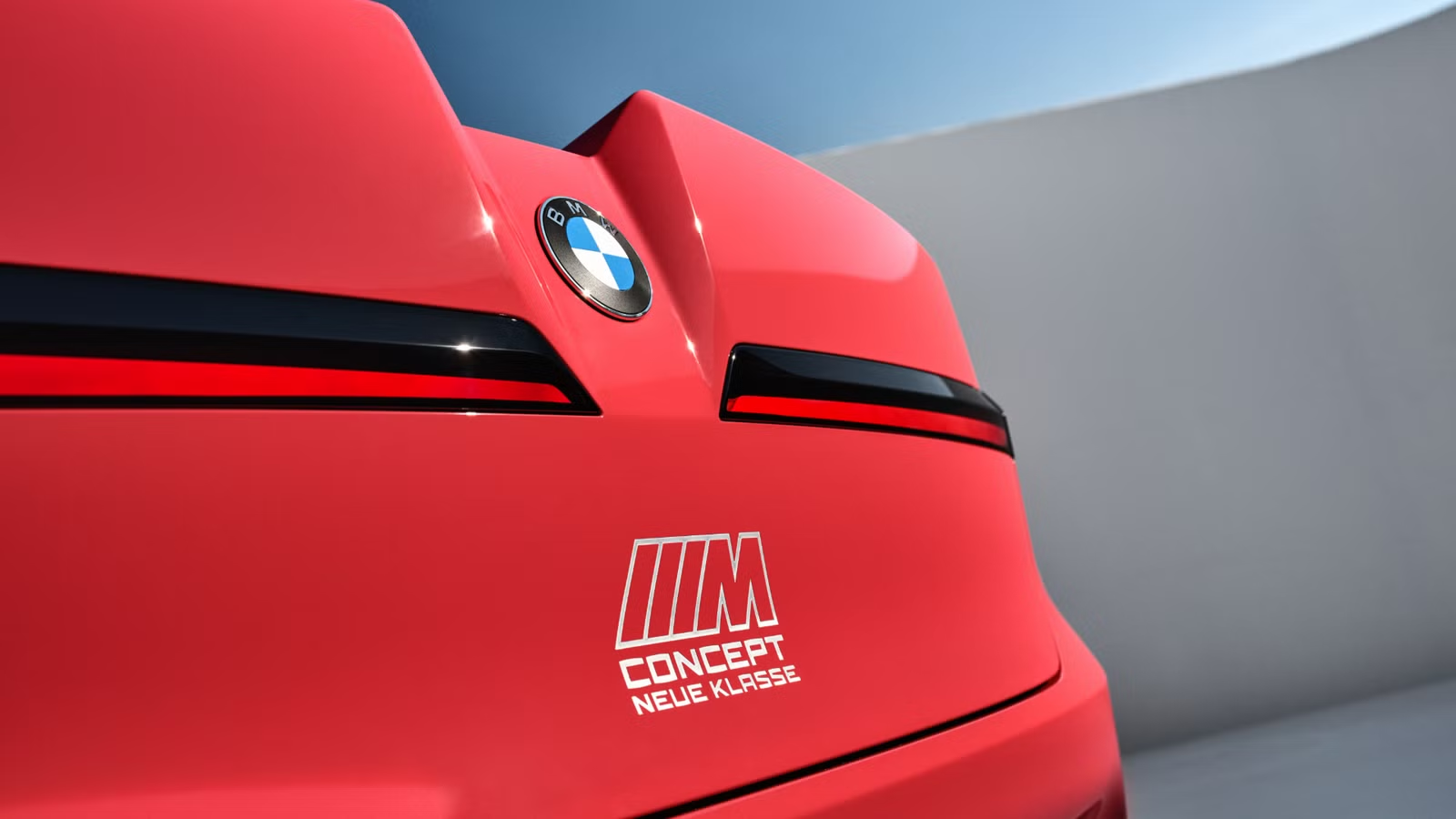
BMW used its M division’s one-millionth-vehicle celebration this week to confirm something rivals have been avoiding: the next M3 will not force a choice between gas and electric. A camouflaged prototype teased on October 5 previewed the fully electric version, codenamed ZA0, while a separate gas-powered M3 , the G84, arrives the same year running the familiar twin-turbo inline-six. Two M3s, same generation, same showroom.

That’s a notably different bet than the one Porsche, Mercedes-AMG, and Audi have made with their own halo sedans, all of which are migrating toward EV-only futures for their flagship performance nameplates. BMW’s decision to keep both doors open reads less like indecision and more like a hedge: the company isn’t convinced the market for electric performance cars is ready to stand on its own yet.
Two M3s, One Generation, No Apology
The gas M3, internally known as the G84, will carry over the S58 twin-turbo inline-six with mild updates, continuing a formula that’s defined the nameplate since the E30 debuted 40 years ago. The electric M3, the ZA0, rides on BMW’s Neue Klasse architecture with a rumored quad-motor layout and an 800-volt electrical system. Both are slated for 2028, and crucially, BMW isn’t positioning one as an eventual replacement for the other.

The naming says as much. BMW confirmed the electric car will simply be called M3, not iM3 or M3i, breaking a naming convention it’s used since the original i3 arrived in 2013. Every electrified BMW before this one got an “i” somewhere in its name. The electric M3 won’t. BMW is telling buyers the badge matters more than what’s under the trunk floor, and that only works if both versions exist side by side long enough for the distinction to matter.
A Prototype That Looks Ready For Le Mans

The camouflaged ZA0 prototype shown alongside the one-millionth-vehicle announcement carries design cues pulled straight from the M Concept Neue Klasse revealed earlier this year, toned down for production but still distinctive. Racing-style auxiliary lighting, the kind associated with nighttime Le Mans running, sits up front, paired with split-style aero elements on both bumpers. A ventilated hood and small rear spoiler round out the visible changes, though heavy camouflage is doing its job hiding the rest.
It’s a deliberate signal. BMW isn’t trying to make the electric M3 look like a quiet, efficient alternative to the gas car. It’s dressing the prototype like a track weapon, borrowing visual language from endurance racing to tell enthusiasts this isn’t a compliance EV tacked onto the lineup.
The Milestone That Framed The Message

BMW M chose its moment carefully. The one-millionth vehicle to roll off the M line at Plant Munich was a Fire Orange M3 Competition, handed over in a ceremony to M CEO Frank van Meel. “The one-millionth BMW M vehicle shows that these values are still very much appreciated by our customers, 40 years after the market launch of the first BMW M3,” van Meel said at the event.
Plant Munich is also the facility building the electric M3, and it’s converting to EV-only production starting in 2027 as part of a 650 million euro overhaul. The gas M3 is shifting production elsewhere. So the symbolism cuts both ways: BMW used a gas-powered milestone car to introduce its electric successor, anchoring the new model’s legitimacy to four decades of combustion history rather than asking it to earn credibility on its own.
What The Hedge Really Says

BMW isn’t alone in reconsidering how fast performance buyers will go electric, but it is alone in refusing to pick a lane for its marquee nameplate. Porsche recently reversed course on the Macan, bringing back a combustion successor after initially planning an EV-only transition, with CEO Michael Leiters citing slower-than-expected global EV demand. Porsche has also ruled out a fully electric 911 entirely. Mercedes-AMG and Audi, by contrast, have largely committed their RS and AMG halo sedans to electric-only futures.
BMW’s dual-M3 strategy sits in between those positions. It’s not retreating from EVs the way Porsche partially has, but it’s also not betting everything on electric adoption the way AMG and Audi are. Keeping the gas inline-six alongside a quad-motor electric car means BMW gets to watch how the market actually responds before deciding which one becomes the only M3. That’s not indecision so much as risk management, and it tells you BMW doesn’t yet trust that enthusiasts who’ve spent decades buying six-cylinder M3s are ready to make the switch on command.
Whether that caution proves warranted or overly conservative depends on how the electric M3 actually drives and how buyers respond once it’s parked next to its gas sibling. For now, BMW is the only German performance brand willing to let the market decide.

Related posts


Latest Post


No Comments